
Hand-rowed and scull boats on West Lake are hired by the boat and timed by the clock: ¥150 per hour for a hand-rowed boat (maximum six passengers) and ¥180 per hour for a scull boat (maximum eleven), one-hour minimum, overtime charged per half hour at ¥75 and ¥90 respectively, and the tariff does not change on public holidays
Checked 31 October 2026GUIDES / GETTING AROUND
West Lake by Boat, Bike and Foot: The Three Ways Compared
One lake, three speeds. A rowed boat buys you the middle of the water, a bicycle buys you the shore roads but not the causeways, and your feet buy you all fifteen kilometres — slowly. How each mode is actually booked, priced and ruled, dock by dock.
City Hangzhou15 min read10 facts labeledChecked 2026-10-31
Six forty in the morning, at the Broken Bridge dock
At 6:40 the mist had not yet decided to leave. A boatman at the Broken Bridge dock untied his hand-rowed boat with one foot still on the stone steps, shook the night's rain off the canopy, and pointed his chin at the painted QR code nailed beside the boarding notice: scan first, then sit. A retired couple from Nanjing scanned, sat, and were charged by the clock from that second — the lake's oldest vehicle now runs on the lake's newest paperwork. Fifty metres away, a jogger crossed the bridge on the Bai Causeway while a tourist beside her did the thing that surprises every first-timer: she pushed her red rental bicycle across the bridge instead of riding it, because on the causeways of West Lake, wheels are not allowed at any hour.
That little dockside scene contains the whole decision. West Lake is one body of water with three different contracts. The boat contract is time: you rent the boatman's hour, priced per boat, and the meter runs while you dither. The bicycle contract is geography: the shore roads are yours, the two famous causeways are not, and the map on your phone will not warn you. The walking contract is distance: everything is open to your feet, all fifteen kilometres of it, and the only currency is your legs. This guide prices all three contracts honestly — what each costs, where each starts, which rules bite, and which travellers each one is actually for.
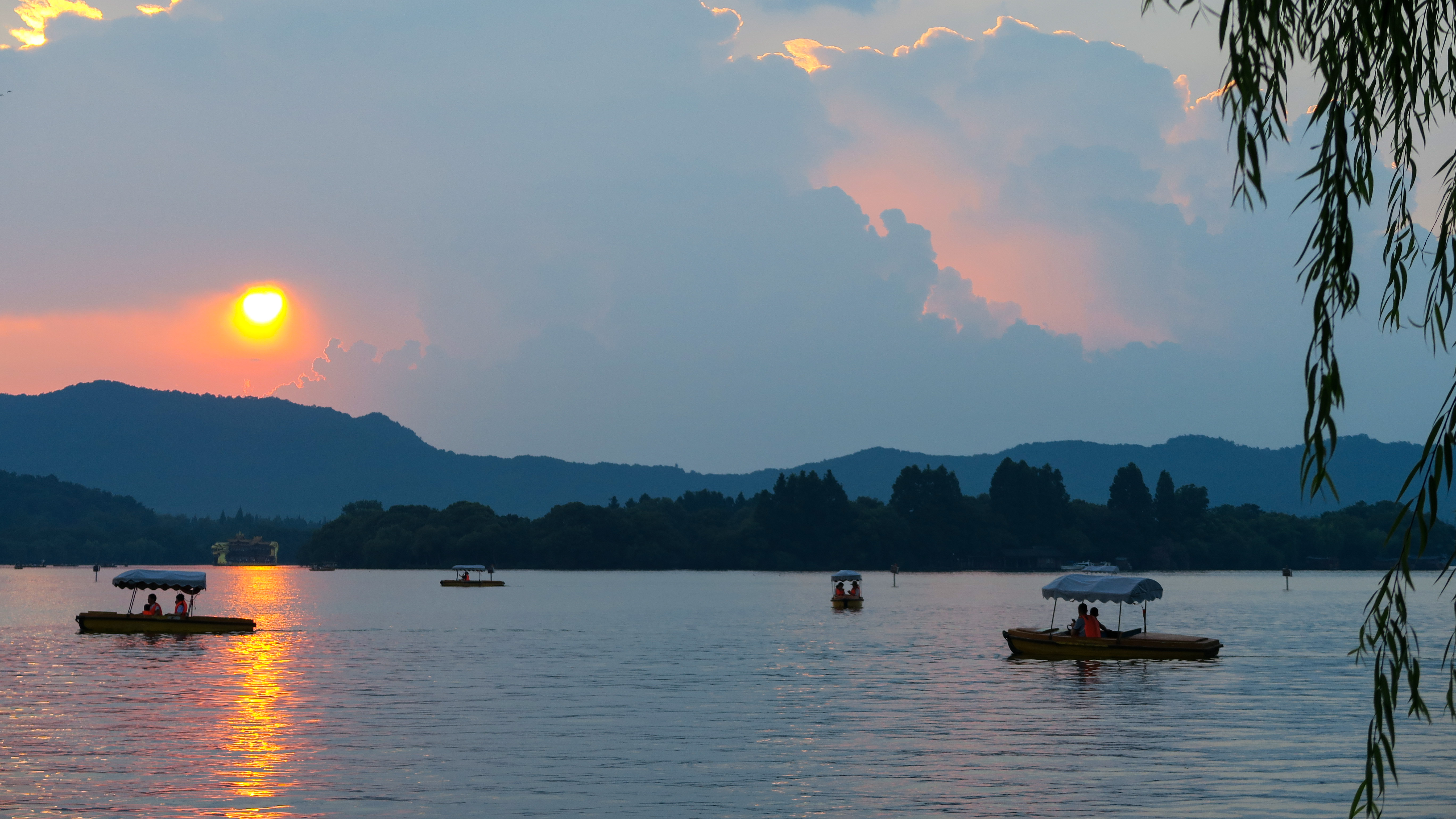
The three ways, side by side
| The lake in numbers | roughly 15 km of shoreline path completes the circuit; Su Causeway runs 2.8 km down the west side, Bai Causeway about 1 km across the north-east, and the water in between is a UNESCO-listed cultural landscape, inscribed in 2011 |
|---|---|
| Hand-rowed boat | the classic: a boatman rows, up to six passengers ride, ¥150 per boat per hour with a one-hour minimum, then ¥75 per half hour; the fare is for the whole boat, never per person, and it does not rise on holidays |
| Scull boat | the bigger, slower sibling: up to eleven passengers under one long oar, ¥180 per boat per hour, then ¥90 per half hour; found mostly at the inner-lake docks on the west side rather than along the busy east shore |
| Island cruise boat | the per-person option: about ¥55 a head on standard leisure boats, ¥70 on the premium and painted boats, sailing from signed docks to land on Xiaoying Island, the one visitable islet of the three in the lake |
| Loop painted boat | the no-landing circuit: roughly fifty minutes around the lake from Huagang or the Kuahong Bridge dock, around ¥50 a person on ordinary boats, more for the deluxe ones; you see the island, you do not step on it |
| Self-row boat | the budget hour: ¥30 per boat per hour from the Sixth Park dock on the east shore, ¥300 deposit, five seats, and a hard rule that the boat comes back to the same dock it left |
| Self-drive electric boat | the novelty quarter-hour: from the Broken Bridge dock, around ¥20–25 per half hour depending on boat size, ¥200 deposit, strictly no landing on any island |
| Public bicycle | the red city bikes: first hour free, then the fare steps up ¥1, ¥2, then ¥3 per hour, which is why locals dock and take a fresh bike before the hour turns; stations ring the lake at the Children's Palace, Orioles Singing in the Willows, the south end of Su Causeway and more |
| Shared bikes | the app fleets (Hello, Meituan, Qingju): scan and ride anywhere on the shore roads, but parking is corralled into marked bays near the scenic area, and the bike is not finished until the app agrees it is parked legally |
| The causeway rule | no bicycle, e-bike, scooter or balance board may be ridden on Su Causeway or Bai Causeway at any hour of any day, a total ban in force since 1 May 2018; marked parking bays at the four causeway entrances hold roughly 400 bikes |
| On foot | the full loop is 15 km of mostly flat, paved path: four hours of pure walking at a steady pace, a full and happy day once meals, gardens and photo stops take their share |
| Fastest honest circuit | bicycle on the shore roads with the two causeways walked: about two hours with stops, versus half a day on foot and no full circuit by boat at all |
Set up before you reach the shore
Your ticks stay on this page only. No account or personal data is sent.
Running the lake, mode by mode
- First, price the three contracts in the same units
Do the arithmetic once and the choice usually makes itself. A hand-rowed boat is ¥150 for the boat for the first hour: split six ways that is ¥25 a person for the most storied hour on the lake; taken solo, it is a ¥150 private charter. The island cruise is simpler — a flat per-person fare, about ¥55 standard or ¥70 premium, boat and island admission bundled. A public bicycle costs nothing for its first hour and pocket change after. Walking is free and priceless in the other direction: the full loop costs you four hours of legs. So the real question is never 'which is best' but 'what am I short of — money, time, or walking?' — and the steps below take each contract in turn.
- The rowed boat: how boarding actually works
Find a signed dock — on an ordinary day there are 27 of them around the lake; the busy east-shore set (Second Park, Fifth Park, Broken Bridge) has company, while the west-side docks at Majiawan and the Hangzhou Hotel (Hangfan) open onto the quiet inner lakes, the inlets of Turtle Pond and Yuhu Bay that most visitors never see. At the dock, scan the QR code fixed to the boat, read the boarding notice, confirm the order on your phone: the clock starts there. The boatman rows; you may agree a route — out toward the three islets, along the Su Causeway shore, or into the willow inlets — and the first hour is ¥150 for the boat, then ¥75 per half hour or part of one. If you stop at Xiaoying Island, you need the island admission on top, and the boat's waiting time ashore still counts on your meter, so tour the island briskly or let the boat go and take a cruise boat back. Settle when you step off; the same order page takes your rating of the ride.
- The scull boat and the west-side water
The scull boat is the hand-rowed boat's elder: one long oar worked from the stern, room for up to eleven, ¥180 per boat per hour, ¥90 per half hour after. It is the right hire for a family or two couples who want one vessel, and it works the calmer water — the inner lake inside Su Causeway, around Majiawan, the Hangzhou Hotel shore and Huagang — rather than the open eastern basin. Treat the two boat types as one system with two hull sizes: same QR order, same clock, same per-boat logic, same warning that an island stop meters the wait. What you are buying in both cases is not transport; nothing on West Lake needs a boat to reach it. You are buying the view from the middle, at rowing pace, with the hills arranged around you the way the painters arranged them.
- The cruise boats: when the island is the point
If stepping onto Xiaoying Island — the islet of the Three Pools Mirroring the Moon, the scene on the back of the one-yuan note — is the goal, skip the rowed boats and take the island cruise. Boats leave from a ring of signed docks: Children's Palace and Zhongshan Park on the north shore, the Hangzhou Hotel dock and Huagang on the west and south, Qianwang Temple on the south-east, Second and Fifth Park on the east. Standard leisure boats run about ¥55 a person; the premium leisure and painted boats about ¥70, with the ¥20 island admission folded into the fare. You land, walk the islet's causeways and pavilions at your own pace, and board any returning boat of the same service — it is the most forgiving ticket on the lake. Two of the lake's three islets, Huxinting and Ruangongdun, are closed to visitors entirely; Xiaoying is the only landing, whichever boat sells you the ride. From May to October the same docks add a night circuit, about fifty minutes around the lit shoreline, no landing.
- Row or drive it yourself: the small print
Two self-operated options sit at the bottom of the price ladder, each with a catch written into its design. Self-row boats rent from the Sixth Park dock on the east shore at ¥30 per boat per hour, ¥300 deposit, up to five people: you are the engine, the lake is bigger than it looks, and the boat must return to Sixth Park — this is a playground hour on the near water, not a way to reach the island, whatever your arms believe at minute ten. Self-drive electric boats at the Broken Bridge dock run about ¥20–25 per half hour by size with a ¥200 deposit, and landing anywhere is forbidden. Both suspend in wind even more readily than the crewed boats. Take them as the cheap, cheerful hour they are, in the morning calm, and leave the geography to the other modes.
- The bicycle: ride the shore, walk the causeways
Cycling West Lake means cycling around it on the shore roads — Beishan Street along the north, Hubin Road on the east, Nanshan Road on the south, and the blessedly quiet Yangong Causeway, 3.4 km of plane trees down the west — and walking the two causeways that cut across the water. Since 1 May 2018, every non-motor vehicle is banned from Su and Bai Causeways around the clock, scooters and e-bikes included; the administration marked out roughly 400 parking bays at the four entrances precisely so you can dock and stroll. For the bike itself, the red public bicycles are the local institution: stations ring the lake, the first hour is free, and the fare then steps ¥1, ¥2, ¥3 per hour — the system is designed for hops, so dock at a causeway entrance, walk the causeway, and take a fresh bike on the other side, resetting your free hour each time. App-based shared bikes cover the same roads; near the scenic area you must leave them in marked bays or the app keeps the trip — and the meter — open.
- On foot: walk it in the order it was composed
The walking loop rewards being walked counterclockwise in spirit: start early on Bai Causeway from the Broken Bridge, when the willow-and-peach avenue is still the city's rather than the tour groups', cross to Gushan island for the museums and the quiet north-west shore, then take Su Causeway south in the late morning — 2.8 km, six bridges, forty-five minutes of pure walking, an hour and a half at sightseeing pace — and finish down the south shore past Orioles Singing in the Willows toward the Hubin lights. Budget the honest numbers: the causeways alone are a gentle half day with stops; the full 15 km loop is four hours of walking before a single garden, pagoda or lunch claims its hour. Feet are the only mode that can do everything — every causeway, every garden gate, every dock — and the only one whose cost curve is measured in knees. Split the loop across two mornings without a shred of shame; the lake has been composing itself for a thousand years and is in no hurry.
- Combine like a local: the three proven formulas
Half a day, first visit: one hour in a hand-rowed boat from a west-side dock in the morning calm, then walk Su Causeway from its north end and lunch on Beishan Street — water first, causeway second, no queue anywhere. One full day, fit and curious: public-bike the shore roads, walking both causeways and docking at each end, with an island cruise inserted at the Huagang dock when you pass it — every mode used, none abused. Two hours only, one photograph in mind: the island cruise from the nearest dock, out and back, and spend the change of time on the Bai Causeway at the golden end of the day. What no formula includes: a shared bike on a causeway, a self-row boat aimed at the island, or a walking loop started at noon in July. The lake forgives most plans; those three it punishes on schedule.
What this guide rests on
Boarding a rowed boat is a QR-code transaction: passengers scan the boat's code, read the boarding notice and confirm the order, which starts the timer; island stops require a separate island admission and the boat's waiting time ashore counts toward the hire
Checked 31 October 2026On ordinary days rowed boats can be boarded at 27 signed docks around the lake; on statutory holidays the network contracts to 10 docks, including Second Park, Fifth Park, Broken Bridge, Majiawan and the Xiaoying Island north dock
Checked 31 October 2026Island cruise boats charge per person — about ¥55 on standard leisure boats and ¥70 on premium leisure and painted boats — and of the lake's three islets only Xiaoying Island (Three Pools Mirroring the Moon) can be landed on; Huxinting and Ruangongdun are closed to visitors
Checked 31 October 2026Self-row boats rent from the Sixth Park dock at ¥30 per boat per hour against a ¥300 deposit and must return to the same dock; self-drive electric boats at the Broken Bridge dock cost about ¥20–25 per half hour against a ¥200 deposit and may not land on the islands
Checked 31 October 2026Since 1 May 2018, all non-motor vehicles — bicycles, e-bikes and scooters included — have been banned around the clock from Su Causeway (Nanshan Road entrance to Kuahong Bridge) and Bai Causeway (Beishan Street entrance to Mingjian Lou), with roughly 400 marked bicycle parking bays provided at the four entrances
Checked 31 October 2026Hangzhou's public bicycle system prices short hops to be nearly free — the first hour carries no charge, the second hour costs ¥1, the third ¥2 and later hours ¥3 each — against a refundable ¥200 deposit held on the rental card or app account
Checked 31 October 2026The walking measures of the lake: a shoreline circuit of roughly 15 km, Su Causeway 2.8 km with six bridges, Bai Causeway about 1 km between the Broken Bridge and Gushan, and the Yangong Causeway about 3.4 km down the west shore
Checked 31 October 2026West Lake was inscribed on the UNESCO World Heritage List in 2011 as a cultural landscape — a designed, humanised lake whose causeways, islets and planted shores were shaped over a millennium of deliberate composition
Checked 31 October 2026Boat operations on West Lake, including the night cruise season that runs roughly May to October, follow the operating instructions of the lake's water authority and pause in unsuitable weather — the timetable is a fair-weather document
Checked 31 October 2026When each mode breaks — and the questions everyone asks
The fare board outranks this page
Boat tariffs on West Lake are regulated and change slowly, but they do change. The prices quoted here are the tourism bureau's published tariff as checked on 2026-10-31; the board at your dock, and the order page behind the boat's QR code, are the final word on the day.
Per boat means per boat
The rowed-boat fare is charged on time, never on heads — one passenger pays the same ¥150 first hour as six. Disputes at docks almost always start with a group assuming a per-person price; settle the arithmetic before the QR scan, not after the hour.
Holiday docks shrink and queues grow
On statutory holidays the rowed-boat dock list contracts from 27 to 10 and the east-shore docks — Broken Bridge, Second Park, Fifth Park — absorb the crowds. The west-side docks at Majiawan and the Hangzhou Hotel shore are the pressure valve; build the walk to reach them instead.
Wind stops everything with a hull
Crewed boats pause on the water authority's instruction in strong wind or storms, and the self-row and self-drive fleets stop earlier still. A lake day planned for the afternoon of a stormy day needs a shore plan — museums on Gushan, the Hubin shops — held in reserve.
Can I ride across Su Causeway early, before anyone is around?
No. The ban on both causeways is around the clock and every day, dawn included, and it covers e-bikes and scooters as well as bicycles. Walk the bike across like the tourist in the mist — or better, dock it in the entrance bays and walk unencumbered.
Can the boatman wait while we tour the island?
He can — and the meter runs while he waits, because your island time is inside your hire. The cheaper pattern is to release the rowed boat at the island and return on the island-cruise service, or to take the cruise boat from the start if the island is the main event.
Why did the shared-bike app keep charging me after I parked?
Near the scenic area, trips only close inside marked parking bays; a bike left on a promenade or at a causeway gate keeps its trip open. Park in a painted bay, watch for the trip-ended confirmation, and photograph the parked bike if the app argues later.
How long does the full walking loop really take?
Four hours of unbroken walking at a steady pace for the roughly 15 km circuit — and almost nobody walks it unbroken. With the two causeways savoured, one garden, one meal and one pagoda, call it a full day; split at the half-way shore and it becomes two pleasant mornings.
Which mode suits children and grandparents?
The island cruise, without a contest: a seat, a rail, a landing, a boat back, no balance and no meter anxiety. A hand-rowed boat is the gentle second choice for an hour — small children count as passengers, so a family of six is a full boat.
Is the night cruise worth a separate evening?
In season — roughly May to October — yes: fifty minutes around the lit shoreline from the Hubin or Broken Bridge docks, the causeways glowing and the city behind them. It repeats nothing the day boats do; it is the lake's second performance, not an encore.
The public-bike deposit question
The red bikes are reached through the system's entry in Alipay or its app, or with a physical rental card from staffed service points; a refundable deposit (long set at ¥200) sits behind the account unless a credit-based waiver applies to you. Set this up the night before, in the hotel, not at a lakeside station in the sun — and treat exact deposit mechanics as Reference-level until the app shows you its own terms.
Keep the trip moving
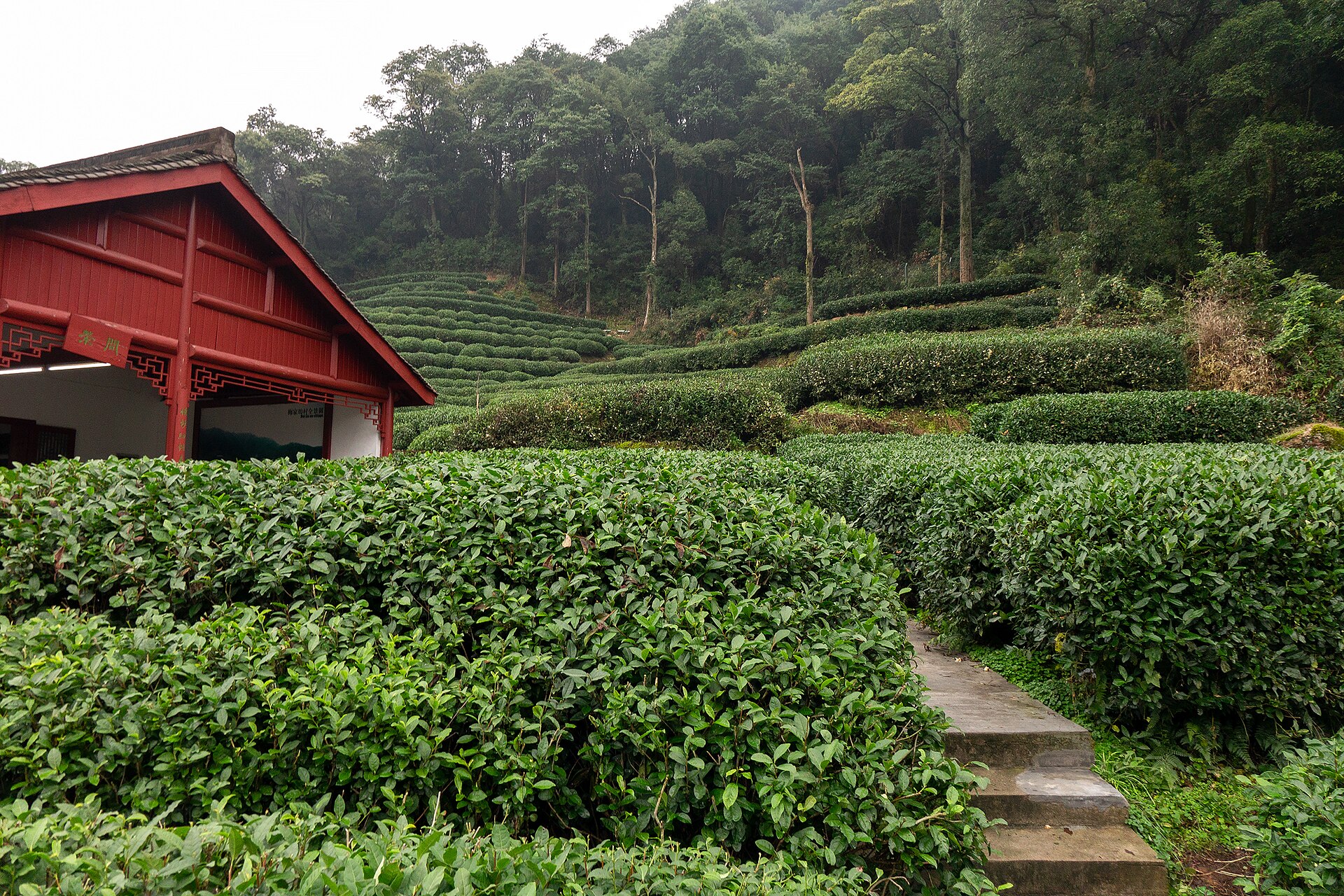 Hangzhou · DoHangzhou Souvenirs, Bought by Evidence: Longjing, Silk and the Folding FanTea whose origin you can actually state, silk whose fibre label you have read with your own eyes, and a folding fan carrying a maker's name — Hangzhou rewards shoppers who buy evidence rather than packaging.Verified
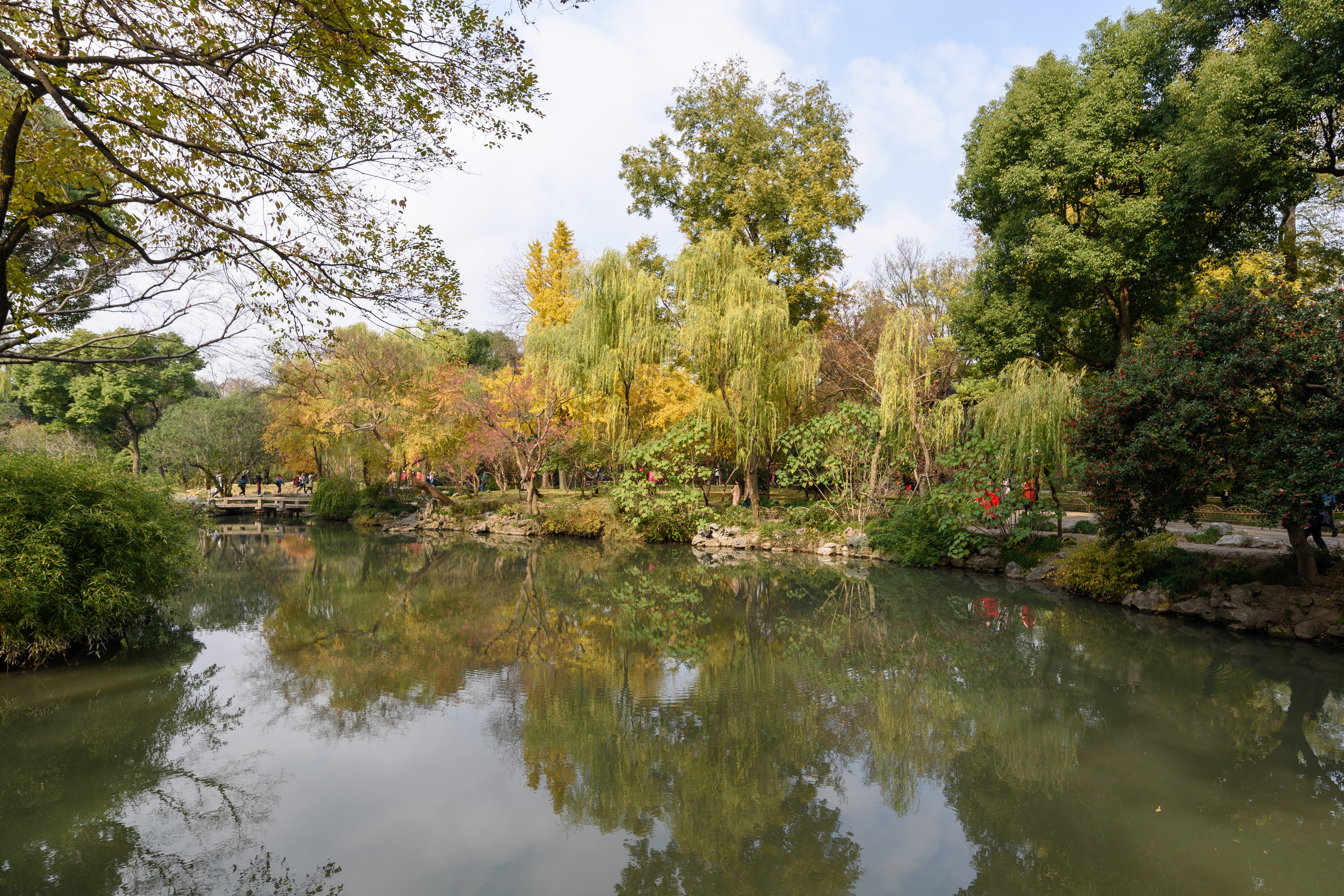 Suzhou · DoSuzhou as a Day Trip from Shanghai: One Garden, One Canal, Home by DinnerA garden, a canal street and one of China's great museums, twenty-seven minutes from Shanghai — if you book the three things that sell out and catch a specific train home.Reference ~
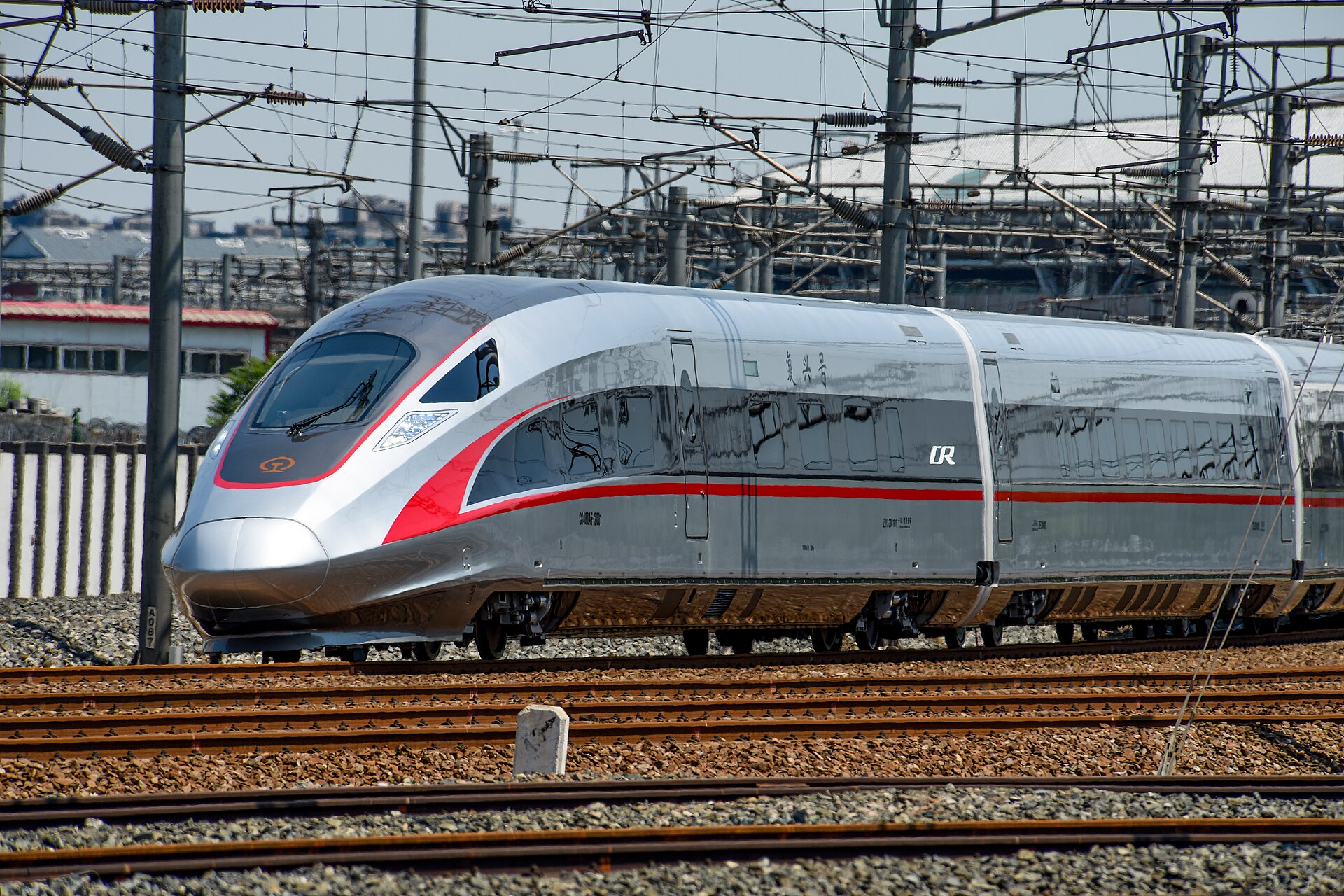 China · PrepareChina Trains: Your Passport Is the TicketNo paper, no ticket window — book on 12306, verify your identity once, and board on the document in your pocket. The system is simpler than the stations are big.Verified
 China · PrepareHow to Pay in China (2026): Alipay, WeChat Pay, TenPayGo, Cards and CashSet up one wallet before you fly, add a second as backup, and understand the two numbers that explain most payment confusion.Reference ~
 China · PrepareInternet & eSIM in China (2026): Roaming, Travel eSIM, Local SIM and Wi-Fi ComparedYour phone will work in China. The real question is which internet it connects to — every connectivity choice is a choice between two exits.Reference ~
Sources and status
Prices, schedules and booking channels change. Recheck the details that matter before you travel.
- Hangzhou Municipal Bureau of Culture, Radio, TV and Tourism — West Lake boatsVerifiedThe tourism bureau's own tariff and dock list for every boat type on the lake — rowed, scull, island cruise, painted loop, self-row and self-drive — with prices, capacities and boarding points; checked 2026-10-31
- Hangzhou Municipal Government — how to take a hand-rowed or scull boat on West LakeVerifiedCity government walkthrough of the QR-code ordering system for rowed boats: scan, read the notice, confirm to start the timer, island waiting time counts toward the hire; published 2025-04-30, checked 2026-10-31
- Hangzhou Net (Hangzhou Daily) — non-motor vehicles banned from the Su and Bai CausewaysReference ~The scenic-area administration's notice as published by the municipal news portal: all non-motor vehicles banned from Su and Bai Causeways around the clock from 1 May 2018, with marked parking bays at the four entrances; checked 2026-10-31
- UNESCO World Heritage Centre — West Lake Cultural Landscape of HangzhouReference ~The listing behind the lake's fame: inscribed 2011 as a cultural landscape of causeways, islets and planted shores composed over a millennium; checked 2026-10-31