
The Sun Yat-sen Mausoleum is free, and its entry is reservation-based and real-name: visitors book through the Zhongshan Scenic Area's official channels with the document they will carry, and entry is checked against it
Checked 31 October 2026GUIDES / TICKETS & BOOKING
Booking the Ming Tomb and Sun Yat-sen Mausoleum
One mountain, two founders, two opposite ticket systems: the Republic's mausoleum is free but refuses anyone without a named reservation, while the Ming emperor's tomb charges at the gate and lets you decide on the day. Book them in the right order and Purple Mountain takes one morning, not two trips.
City Nanjing14 min read12 facts labeledChecked 2026-10-31
The free tomb is the one that turns people away
At the Sun Yat-sen Mausoleum's first gate on a fine October morning, the queue splits into two streams. One flows through the turnstiles, phones and passports out. The other — a dozen travellers a minute at peak — stops at the barrier, phones waved at staff, and peels away towards the ticket windows that do not exist. There is no ticket to buy. The mausoleum of the Republic's founder costs nothing, and that is exactly the problem: entry is a named reservation, made in advance through the scenic area's own system, and the gate has no remedy for anyone who arrives without one.
Six hundred years older and twenty minutes' walk away, the Ming Tomb runs the opposite logic. The founding emperor of the Ming charges a real ticket, sold by name at the gate or online, and a traveller can decide over breakfast. Between them, the two tombs teach the whole grammar of booking sights in Nanjing: free means fragile, paid means flexible, and the mountain day has to be built around the free one's rules first. This guide is that grammar, sight by sight — what to book, when the windows open, which document to carry, and how the two visits fit one morning.
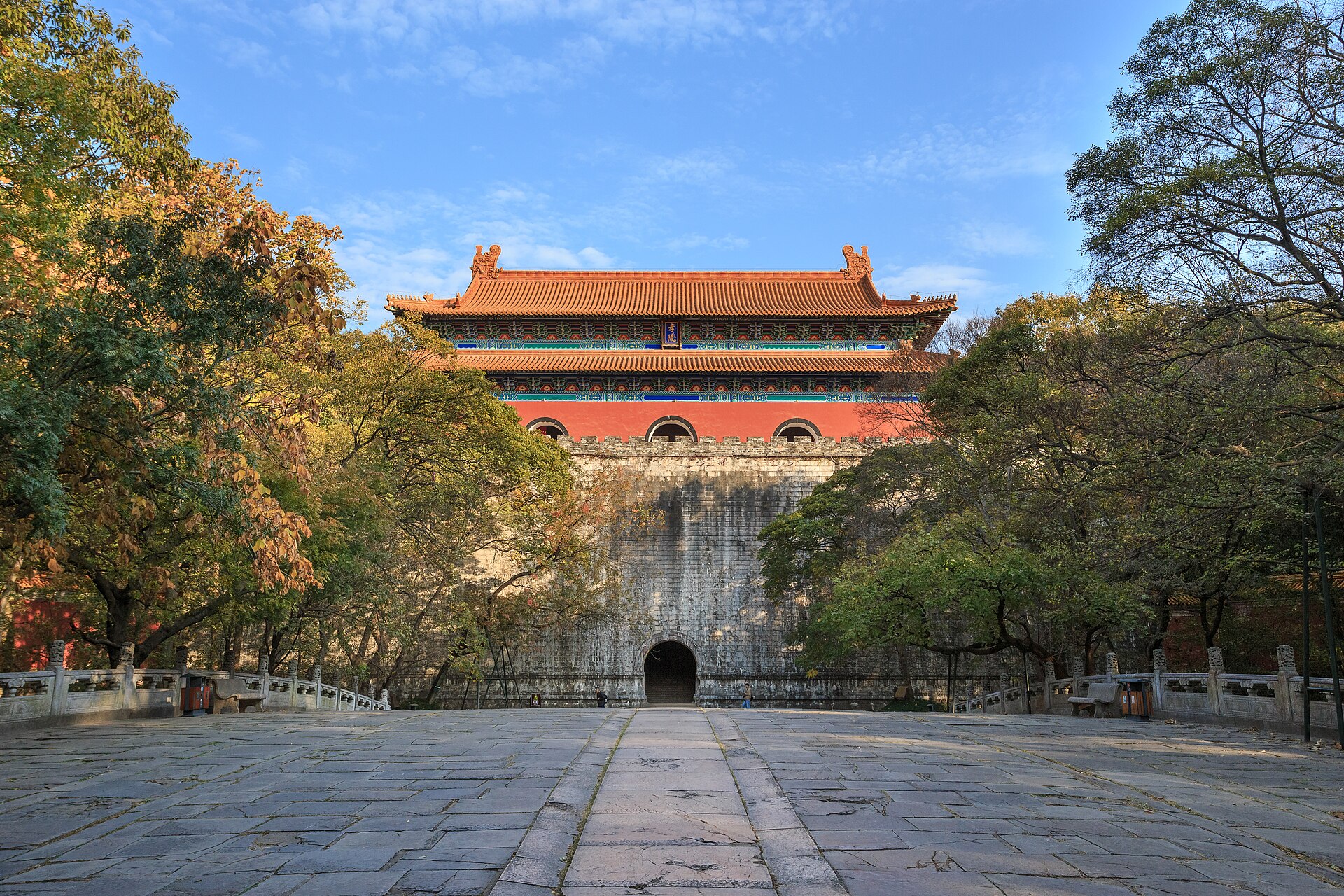
Two tombs, two systems
| Sun Yat-sen Mausoleum | Free entry, reservation compulsory: real-name booking through the Zhongshan Scenic Area's official channels, by passport for international visitors, with entry checked against the document |
|---|---|
| Sun Yat-sen Mausoleum hours | The mausoleum core opens Tuesday to Sunday, 8:30–17:00; its sacrificial hall and burial chamber close on Mondays outside public holidays |
| Sun Yat-sen Mausoleum shape | A ceremonial axis climbing the hillside: archway, pavilion, and the festival hall above, reached by a long stair of several hundred steps |
| Ming Xiaoling Mausoleum | Paid entry, no advance reservation required under current general rules: individual admission listed at ¥70, bought at an entrance or through the official mini-program |
| Ming Xiaoling hours | The grounds open early, around 6:30, and close in the early evening, with ticketing hours shorter than the grounds themselves; the site museum keeps shorter hours and closes Mondays |
| The combination ticket | Around ¥100 bundles Ming Xiaoling with the Linggu scenic area, the Open-Air Music Hall and Meiling Palace; worth it only if your day genuinely includes the other stops |
| Meiling Palace | The Republic-era villa on the mountain's southern slope, a small separate ticket around ¥30, and the natural third stop between the two tombs |
| Open-Air Music Hall | A small separate ticket around ¥10 when not bundled; a forest amphitheatre of doves and stone screens, ten minutes from the mausoleum |
| Getting there | Metro Line 2 to Muxuyuan for the Ming Tomb's west side, or Xiaolingwei for the scenic area's shuttle network; the mountain's internal distances are shuttle distances, not strolls |
| Order of play | Mausoleum first at opening, on its reserved slot; Ming Tomb second, on its flexible paid ticket; Meiling Palace or Linggu with whatever the afternoon leaves |
| Documents | The passport you booked with, physically carried: screenshots and a companion's booking do not open these gates |
| Best seasons | Late February to March for the plum blossom on Plum Blossom Hill beside the Ming Tomb; late November for the Sacred Way's ginkgo and maple fire |
| Linggu Temple area | The mountain's third cluster, east of the Ming Tomb: a beamless brick hall, a nine-storey pagoda and the combination ticket's furthest reach |
| What the mausoleum reservation is not | It is not a ticket, carries no price and cannot be transferred, resold or shown by someone else; resellers offering paid 'help' are selling a booking you can make free |
Set up before you arrive
Your ticks stay on this page only. No account or personal data is sent.
Booking and walking the mountain, step by step
- Step one: fix the mausoleum slot, days ahead
The Sun Yat-sen Mausoleum reservation is made through the Zhongshan Scenic Area's official WeChat presence and booking system, in your own name, with your passport number. The reservation service keeps its own daily hours and releases slots for coming days; on fine weekends and holidays the morning capacity goes early. Book as soon as your Nanjing dates are certain — before the hotel debate, before the train debate. What you hold afterwards is not a ticket but a named entitlement, checked at the gate against the document itself. If your dates change, release and rebook rather than hoping the gate will improvise.
- Step two: arrive by Line 2, then think in shuttles
Purple Mountain's scenic area is a forested mountain several kilometres across, and its gates are not interchangeable. Metro Line 2 is the approach: Muxuyuan station serves the Ming Tomb's western side, while Xiaolingwei connects into the scenic shuttle network for the mausoleum side. From either station, the scenic area's own shuttle buses and walking paths finish the job — budget the transfer honestly, twenty to thirty minutes from metro platform to mausoleum gate, more on holiday mornings when the shuttle stops queue. Taxis reach the scenic gates but cannot shorten the mountain's internal distances.
- Step three: climb the mausoleum on your slot
The mausoleum is a single ceremonial idea executed in stone: a marble archway, a long tree-lined avenue, the stele pavilion, and then the great stair — published counts put it at 392 steps — rising to the festival hall where Sun Yat-sen's statue sits above the city he briefly governed. Take it at the pace the architecture assumes: measured, with pauses at the landings where the view back down the axis assembles itself. The burial chamber beyond the hall has been closed to entry for years; the hall and the view are the visit. Allow ninety minutes, more if the morning is clear.
- Step four: cross to the Ming Tomb on its own logic
From the mausoleum, the scenic shuttle or a wooded walk of roughly twenty minutes brings you to the Ming Xiaoling, tomb of Zhu Yuanzhang, founder of the Ming. Here the gate sells you a named ticket on the day — around ¥70 individually — and the visit begins not at a building but at a road: the Sacred Way, where pairs of stone animals and officials have stood guard along the emperor's approach for six centuries. Walk it in the intended direction, from the great archway towards the tomb mound, and let the scale accumulate. The full grounds, with the museum and the walled tomb enclosure, take two to three hours walked properly.
- Step five: decide the combination ticket with open eyes
The roughly ¥100 combination ticket bundles the Ming Tomb with the Linggu scenic area, the Open-Air Music Hall and Meiling Palace. It is good value exactly when the day includes them — Meiling Palace, the villa Chiang Kai-shek built for Soong Mei-ling, sits between the two tombs and pairs naturally with either; its necklace of plane trees is a Nanjing postcard in autumn. Linggu, with its beamless hall and pagoda, rewards a dedicated extra hour. If your day is only the two tombs, buy individually and keep the change: bundles reward itineraries, not intentions.
- Step six: sequence the seasons
The mountain's calendar changes the booking answer. In late February and March, Plum Blossom Hill beside the Ming Tomb hosts the city's plum festival and the tomb grounds fill from mid-morning — arrive at the early opening and walk the Sacred Way before the festival crowds land. In late November the same road turns gold and red and photographers own the dawn. In summer, work the mausoleum's first slot and the tomb's shade, and abandon the midday mountain entirely. In every season the order holds: the reserved site at its slot, the paid site on its flexibility.
- Step seven: the Monday variation
If your mountain day falls on a Monday, rebuild it rather than forcing it. The mausoleum's core halls close on Mondays outside public holidays, and the Ming Tomb's museum closes too — but the tomb grounds, the Sacred Way and the mountain's paths stay open, and Monday is paradoxically the quietest day to walk them. Give the day to the Ming Tomb at length, Meiling Palace and the Linggu grounds, and hold the mausoleum for a future trip rather than a closed gate. Travellers with two days should simply never schedule the mountain on Monday at all.
- Step eight: leave the mountain like you arrived
Descend by the same geometry: shuttle to the Line 2 gates, metro west to the museum quarter. Nanjing Museum sits a short ride from Xiaolingwei and its afternoon entry band pairs naturally with a mountain morning — provided, and it is the whole lesson of this guide, that its reservation was made when the release opened days before. The travellers who fail in Nanjing rarely fail at the sights. They fail at the calendar, one unbooked free gate at a time. You now hold the calendar. Use it in order.
What this plan rests on
The mausoleum core opens Tuesday to Sunday, 8:30–17:00, with the sacrificial hall and burial chamber closed on Mondays except on public holidays and the anniversaries kept by the site
Checked 31 October 2026The mausoleum stair is published at 392 steps from the archway level to the festival hall — the figure behind the advice to take the earliest, coolest slot of the day
Checked 31 October 2026Ming Xiaoling admission is listed at ¥70 per person, and a combination ticket around ¥100 covers the Ming Tomb, the Linggu scenic area, the Open-Air Music Hall and Meiling Palace
Checked 31 October 2026Unlike the mausoleum, Ming Xiaoling does not require an advance online reservation under current general rules: real-name tickets can be bought at a scenic-area entrance or through the official mini-program, with passports accepted
Checked 31 October 2026The Ming Xiaoling grounds open early — ticketing hours are published as 6:30–18:30 in the long season and 7:00–17:30 in winter — while the site museum keeps shorter hours, 9:00–17:00, and closes on Mondays
Checked 31 October 2026The Ming Xiaoling Mausoleum is inscribed in the UNESCO World Heritage listing for the Imperial Tombs of the Ming and Qing Dynasties, inscribed in stages from 2000 with the Nanjing tomb added in 2003
Checked 31 October 2026Meiling Palace carries a small separate admission, published around ¥30, and the Open-Air Music Hall around ¥10, when they are not visited on the combination ticket
Checked 31 October 2026Metro Line 2 serves the scenic area through Muxuyuan and Xiaolingwei stations, with scenic shuttle buses covering the internal legs between gates and sights
Checked 31 October 2026The two tombs stand within one scenic area on Purple Mountain, roughly twenty minutes apart by shuttle or wooded path — close enough for one morning, far enough that walking both without the shuttle eats the day
Checked 31 October 2026Sun Yat-sen's remains were brought to the completed mausoleum in 1929, four years after his death in Beijing — the ceremony that fixed Purple Mountain as the Republic's symbolic landscape and the reason the site keeps national-ceremony status today
Checked 31 October 2026The Ming Tomb's Sacred Way is unusual among imperial tombs for its bend: the stone-figure avenue turns rather than running straight, following the mountain's ground — a detail the UNESCO listing's documentation of the tomb landscape reflects
Checked 31 October 2026Where this breaks
The reservation window is the whole game
This guide cannot hand you the mausoleum's exact release pattern for your travel week, because the scenic area adjusts quotas and windows by season and holiday. The system's shape — named, free, advance, unforgiving — is stable; the precise opening day for your slot must be confirmed inside the official channel when your dates fix.
Holiday controls override the general rules
On Golden Week and major holidays the scenic area has historically imposed tighter reservation and capacity controls across the mountain, including on sights that normally sell at the gate. Any rule in this guide prefaced by 'under current general rules' should be re-read as suspended until the holiday notice says otherwise.
Prices are published inconsistently
The ¥70 tomb admission and the roughly ¥100 combination appear consistently across channels, but the palace and music-hall small fares and the bundle's exact contents drift. All prices here are planning figures marked reference; the gate tariff on the day is the only authority.
Weather closes the mountain's logic
Heavy rain makes the mausoleum stair a polished slide and the Sacred Way a long puddle; the scenic shuttles thin out and the wooded paths empty. Both tombs keep their hours in ordinary rain — the failure is experiential, not administrative — and a wet mountain day is better traded for the museum quarter than endured out of stubbornness.
Names must match, exactly
Real-name gates compare the booking against the physical document, character by character. A passport renewed between booking and travel, a middle name dropped, a companion booked under your document — each is a closed gate with a queue behind it. Rebook on the new document the moment any detail changes.
The mausoleum is a place of respect
The site is a national mausoleum, not a viewpoint with a tomb attached: dress and behaviour are observed, photography is restricted inside the hall, and ceremonies can close or crowd the axis without long notice. The booking system gets you to the gate. Conduct is what the gate is for.
Third-party booking services add risk, not access
Because the mausoleum reservation is free and name-bound, a small market exists in paid booking assistance for foreign visitors. Some of it is legitimate help with a Chinese-language system; none of it can guarantee a slot the official channel has exhausted, and a reservation made in the wrong name is worthless at the gate. If you use help, the booking must still end in your name, on your passport number.
One mountain, several gates, real confusion
Taxi drivers, maps and hotel desks use the scenic area's gate names inconsistently, and arriving at the wrong gate can add a shuttle ride and a queue to a timed slot. Name your exact target — mausoleum gate or Ming Tomb gate — in the booking app and the taxi alike, and build the transfer slack into the morning.
Keep the trip moving
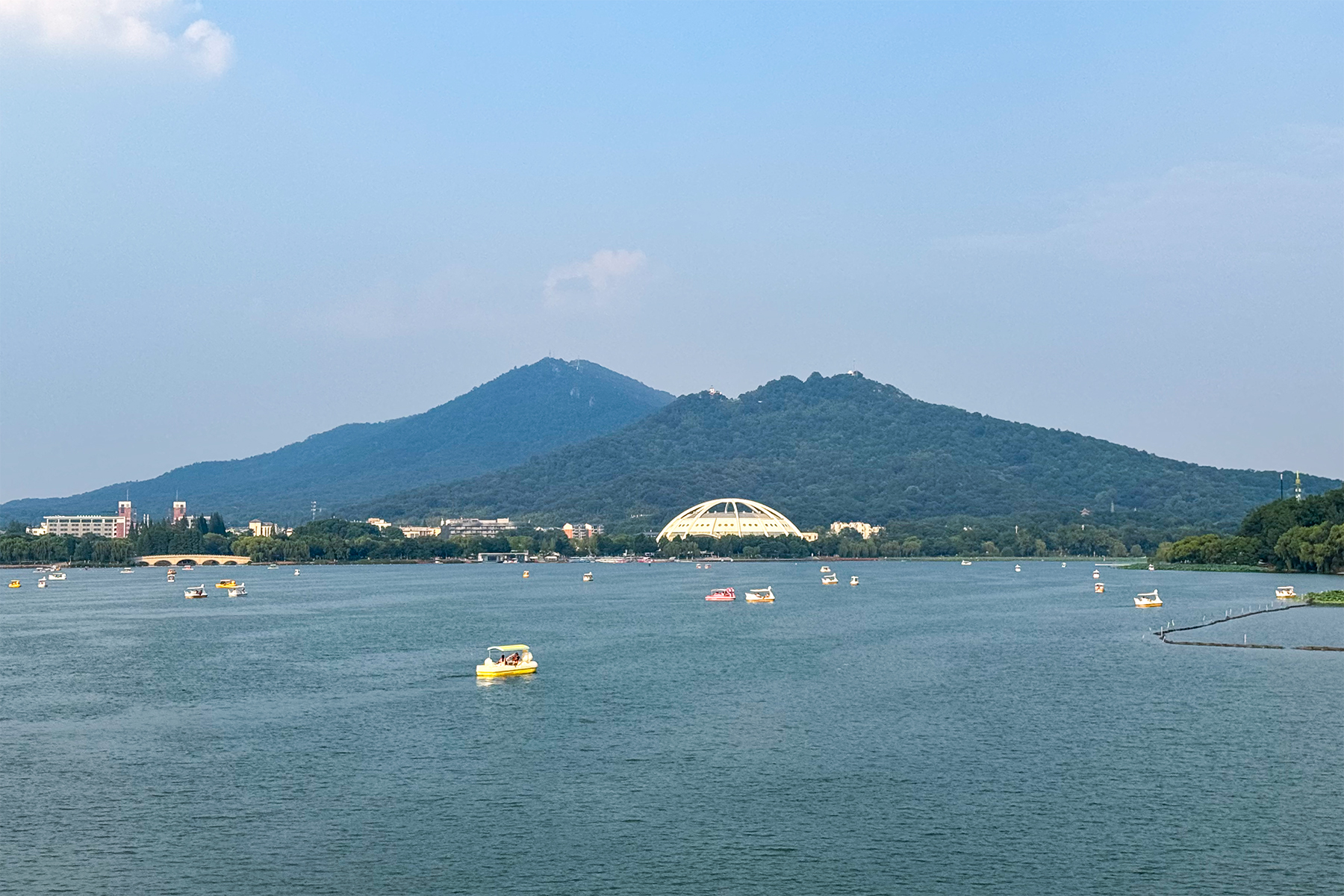 Nanjing · DoNanjing First Time: The Capital That Isn'tNanjing has been a capital often enough that it stopped needing the title. What a first visit actually runs on is simpler: one forested mountain of tombs, one great museum on a timed reservation, a wall you can walk at sunset, and a river quarter that only wakes up after dark.Reference ~
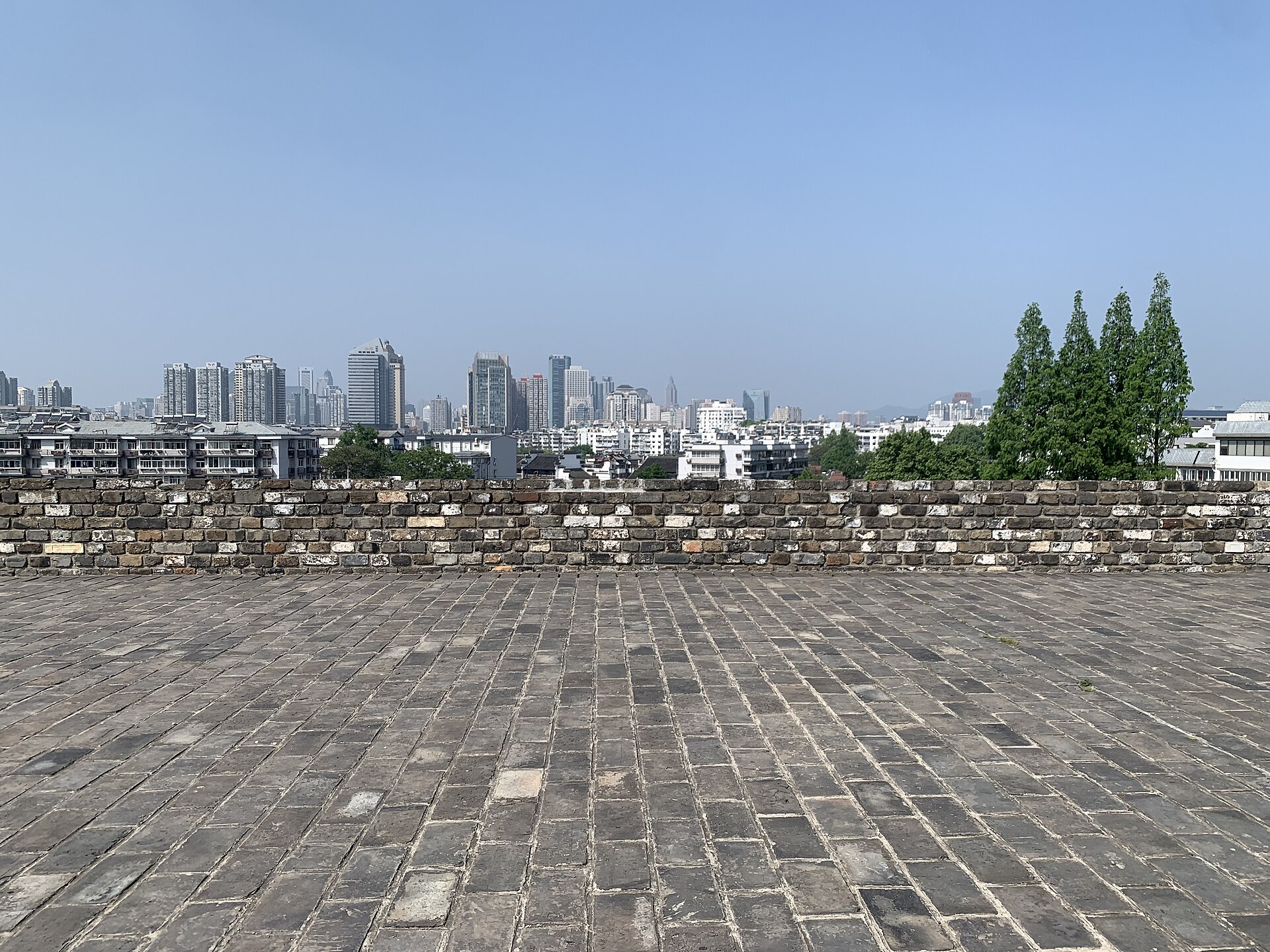 Nanjing · DoNanjing City Walk: Ming Walls and Republic StreetsOne walk, two vanished states: begin among the Republic's ministry mansions on Yihe Road, pass the Drum Tower and Jiming Temple, then climb the Ming wall at Jiefangmen and finish above Xuanwu Lake as the light goes — the city's whole argument with itself, walked in order.Reference ~
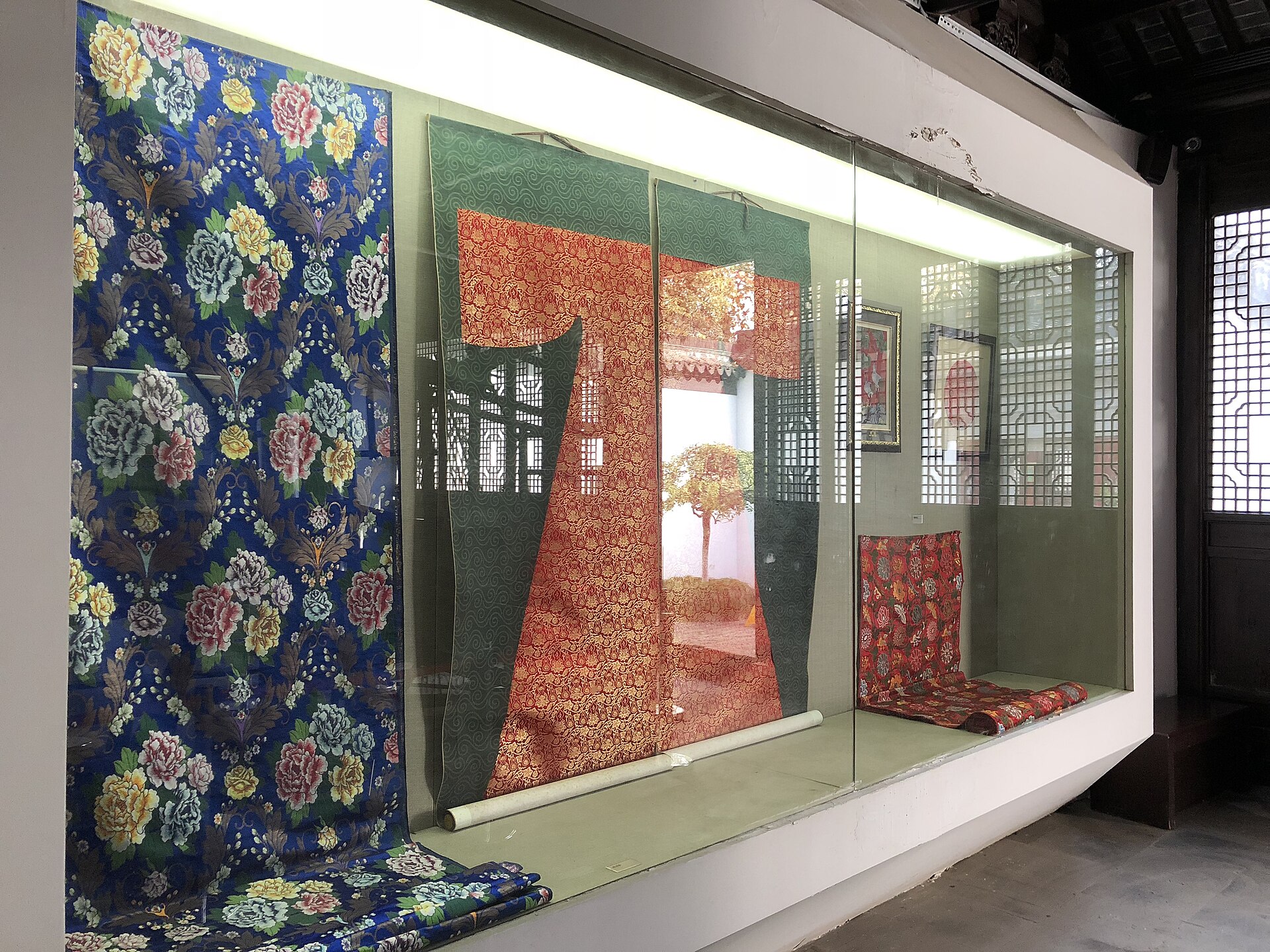 Nanjing · DoNanjing Souvenirs: Brocade and Tea, Not Just DuckA green tea named for polished stones, a brocade your thumb can authenticate, osmanthus sweets timed to departure — and the celebrated duck that should stay a meal.Verified
 Suzhou · PrepareBooking Suzhou's Gardens: Which Ones Need Reservations, and How Far AheadSuzhou's famous gardens no longer sell their best hours at the gate. Which ones demand a real-name reservation, how far ahead each window opens, and the walk-up gardens that save a sold-out day.Reference ~
 Beijing · PrepareBeijing Attraction Booking: Real Names, Release Times, Official ChannelsBeijing's big sights do not sell walk-up certainty — they run on real-name reservations tied to your passport. Win the scarcest anchor first, and let everything else arrange itself around it.Verified
 China · PrepareChina Trains: Your Passport Is the TicketNo paper, no ticket window — book on 12306, verify your identity once, and board on the document in your pocket. The system is simpler than the stations are big.Verified
Sources and status
Prices, schedules and booking channels change. Recheck the details that matter before you travel.
- Zhongshan Scenic Area — official siteReference ~The scenic area authority for Purple Mountain: reservation channels, visitor rules and notices for both the mausoleum and the Ming Tomb (checked 2026-10-31, HTTP 200 over http; https did not respond from this network)
- UNESCO World Heritage — Imperial Tombs of the Ming and Qing DynastiesVerifiedListing covering the Ming Xiaoling Mausoleum, its Sacred Way and its place in the Ming imperial tomb system (checked 2026-10-31, HTTP 200)
- Nanjing Municipal People's Government portalReference ~City portal for official Nanjing scenic-area and visitor references (checked 2026-10-31, HTTP 200)
- Nanjing Metro — official siteReference ~Network information for Line 2, the line serving the scenic area gates. The site did not respond from the checking sandbox (connection failure on both schemes with a browser user-agent, 2026-10-31); station facts are cross-checked against the city portal and published network maps
- China Railway 12306 — official bookingReference ~Official rail booking for travellers combining the mountain with a same-day arrival or departure (checked 2026-10-31, HTTP 200)