
Nanjing's Ming city wall originally ran about 35.3 kilometres and roughly 25 kilometres survive, making it among the longest surviving city walls in the world; the open stretches are managed and ticketed as separate segments rather than one continuous route
Checked 31 October 2026GUIDES / CITY WALK
Nanjing City Walk: Ming Walls and Republic Streets
One walk, two vanished states: begin among the Republic's ministry mansions on Yihe Road, pass the Drum Tower and Jiming Temple, then climb the Ming wall at Jiefangmen and finish above Xuanwu Lake as the light goes — the city's whole argument with itself, walked in order.
City Nanjing15 min read11 facts labeledChecked 2026-10-31
The mansions kept their gardens; the wall kept everything
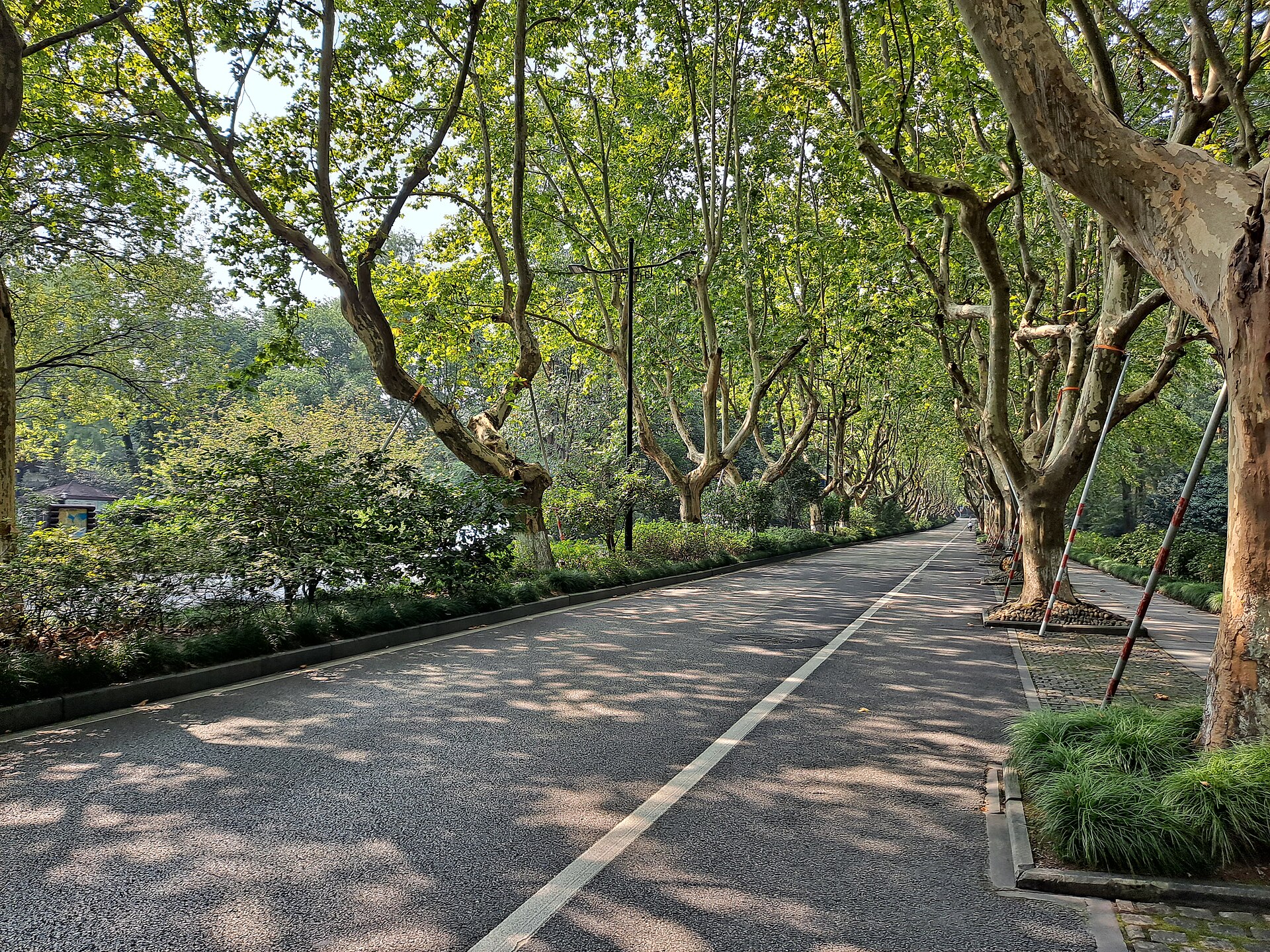
On Yihe Road the plane trees lean together until the street runs in green shade, and behind their fences the houses are like nothing else in China: steep-roofed, stone-trimmed mansions built in the 1930s for the ministers and generals of a republic that had its capital here. A school group files past a gate. An old man wheels his bicycle through the shade with a cage of songbirds balanced on the rack. Nothing is roped off, because this is still a neighbourhood — the Republic survives in Nanjing not as a museum but as an address people live at.
Three kilometres east, the Ming wall does the opposite trick. Where the mansions shrank history to domestic scale, the wall refuses all scale at all: a brick rampart raised in the 1300s for the founder of the Ming, still standing in long reaches across the modern city, its top wide enough for the carts it once carried. This walk strings the two together — Republic streets in the morning while they are quiet, a temple and a drum tower between, then up onto the wall at Jiefangmen for the hour when Xuanwu Lake below turns to hammered gold. Walked in that order, the city explains itself.
Practical note before the romance: this is also the most forgiving itinerary in the city. Nothing on the route needs reserving, the metro shadows both ends of it, and every leg can be shortened without breaking the story. Keep it in reserve for the day the museum slots run out or the mausoleum is full — Nanjing has a habit of rewarding the travellers it initially turns away.
The walk at a glance
| Start | Yihe Road and the Ninghai Road mansion quarter, reached from Yunnan Road or Gulou stations on Metro Line 4 |
|---|---|
| Finish | The wall top at Jiefangmen and the shore of Xuanwu Lake, with Xuanwumen station on Line 1 a short walk from the lake gates |
| Distance | About six kilometres on foot: the mansion lanes, the climb to Jiming Temple, and as much of the wall top as the evening invites |
| Time allowance | A long half day: start after breakfast, wall at golden hour; the route collapses badly if the wall is done at noon |
| Shape of the day | Shade first, height last: street trees and interiors in the bright hours, the exposed rampart when the sun drops |
| The one ticket | The Jiefangmen wall segment carries a small segmented fare; the streets, temple grounds approach and lake shore do not gate the walk |
| Bookings that gate the day | None: this is the itinerary to keep for a day when the reservation sights are full or shut |
| Surface and load | Plane-tree avenues and old lanes, one stepped climb inside Jiming Temple's grounds, then the wall's open brick top; slick after rain |
| Bail-outs | Line 4 shadows the first half at Gulou and Jiming Temple stations; any lane off the wall segment reaches a staffed gate and a taxi street |
| Best months | April and May for the mansion streets in leaf; late October to November for wall light, ginkgo and dry air |
| Best for | Travellers who have done the tomb-and-museum circuit and want the city at street level, and anyone with a free afternoon and no bookings |
| Pace | Mansion lanes slowly, temple briefly, wall unhurried: the walk is two strolls joined by a climb, not a hike |
| The view that orders the day | From Jiming Temple's upper levels you can see the wall, the lake and Purple Mountain in one frame before you walk any of them |
| Where travellers go wrong | Starting on the wall at midday and reaching the mansion lanes at dusk, when the quarter has closed its shutters and the light has left the trees |
| Photography | The mansion streets reward mornings, the wall rewards evenings; a single visit cannot have both at their best, and this route chooses the wall |
Set up before you arrive
Your ticks stay on this page only. No account or personal data is sent.
The walk, leg by leg
- Leg one: Yihe Road, the Republic at home
Begin where Ninghai Road meets the mansion quarter and let Yihe Road set the pace. In the 1930s this was the diplomatic and ministerial district of the capital, and its houses were built to be read from the street: Chinese tiled roofs over Western stonework, deep gardens, gatehouses sized for motor cars. Walk both sides slowly, up the side lanes as well as the main avenue — the quarter is a grid, and its pleasures are distributed, not concentrated. These are private homes and offices, not exhibits: admire from the pavement, photograph the architecture rather than the residents, and let the shade do what it has done for ninety years.
- Leg two: Gulou, the tower at the crossroads
Walk east towards Gulou, where the Drum Tower stands on its great brick base at the meeting of the old city's axes — first raised under the Ming founder, rebuilt since, and still the hinge between the university quarter and the centre. You do not need to climb it to use it: the tower is this walk's orientation point, the place to get your bearings before the route turns north-east. The streets around it carry the city's student load — bookshops, small canteens, print shops — and make the natural coffee stop of the morning. Eat something; the wall charges interest on skipped lunches.
- Leg three: Beijing East Road, under the trees
From Gulou the route runs east along Beijing East Road, one of the great plane-tree avenues of the east side, with the municipal government compounds and old institutional gates behind the trees. This is the walk's connective tissue and it is better than that sounds: broad pavements, deep shade, and the first glimpses of Jiming Temple's yellow walls appearing above the rooftops ahead. Keep to the north pavement for the temple approach. If the morning has run long, Line 4 at Jiming Temple station is your honest bail-out — rejoin the route at the temple steps.
- Leg four: Jiming Temple, the climb in miniature
Jiming Temple climbs its hill in terraces — gate, halls, and the seven-storey pagoda at the top — and it has been a working temple on this slope, in one form or another, for well over a thousand years. A small paid ticket covers entry; the incense load is real on festival days and the steps are the point, not an obstacle. From the upper levels the view opens exactly as the walk needs: the wall running away east from Jiefangmen, the lake beyond it, Purple Mountain closing the horizon. You are looking at your own afternoon. Descend on the temple's east side towards the wall gate.
- Leg five: up at Jiefangmen, onto the wall
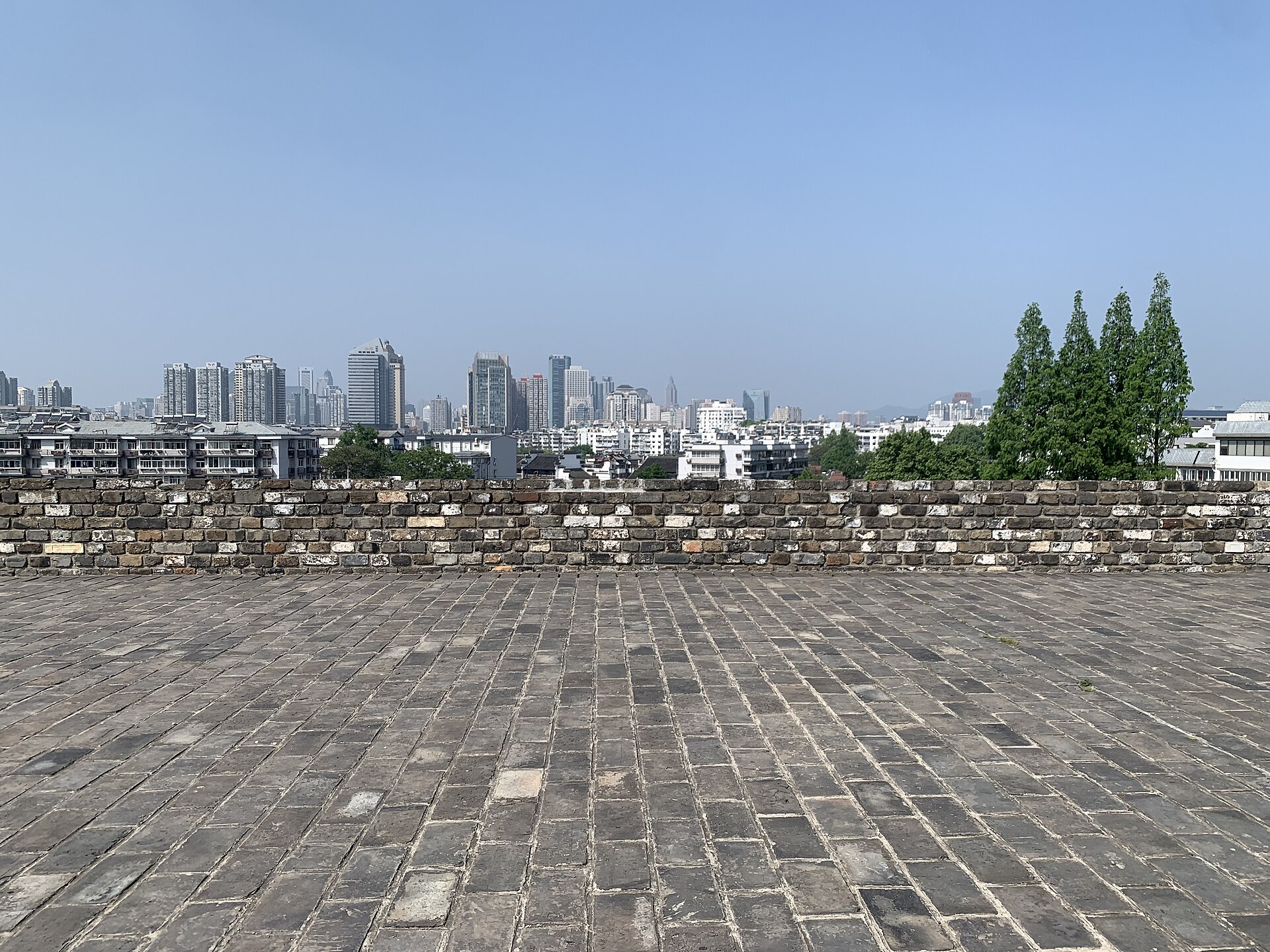
Jiefangmen is a modern gate cut through the Ming rampart, and its ramp delivers you onto the top of the wall at the best possible place: the Taicheng stretch, where the wall runs between the temple hill and the lake. The segment carries a small fare, collected at the gate. Stand a moment before walking. The bricks underfoot are the exhibit — many are stamped with the names of the officials and kilns that made them, a Ming quality-control system you can read with your shoes. The top here is a road in the sky, several metres wide, parapets both sides, and the city arranged below like a model of itself.
- Leg six: the wall top, east then north
Walk the wall slowly. East and then north along the Taicheng section, the lake stays on your left, opening and closing as the wall bends; the temple pagoda recedes behind you and the Purple Mountain fills the eastern sky. This northern wall was the city's Ming-era front doorstep to the lake, and its gates and ramps still arrive at working intervals — each one a possible descent, each one a temptation to leave too early. Resist until the light does its work: in the last hour the brick warms, the lake flattens to metal, and the towers of the new centre across the water start to light. That is the photograph this whole walk exists for.
- Leg seven: down to the lake shore
Descend at the Xuanwumen end of the segment and drop through the lake gate onto the shore of Xuanwu Lake. The lake's five isles are joined by causeways, and the evening circuit of the nearest isles is the city's own ritual — runners, saxophone practice, grandmothers with fans, couples on the benches facing the wall you have just walked. Join it for as long as it holds you. The wall from below, at dusk, is the final lesson of the route: the mansions were one government's dream of permanence, and this is the other's, and the lake has watched both.
- Evening: where the walk lets you go
Xuanwumen station, on Line 1 at the lake's western gate, puts the centre minutes away. For dinner, stay near the route: the Gulou and university quarter behind you is full of small Jiangsu kitchens, while Xinjiekou one stop south carries the city's full range. If the day has gone perfectly and energy remains, the wall's southern sections run evening openings in season near Zhonghua Gate — but that is another walk, on another day, through the Qinhuai's lantern country. This one ends where it should: at water level, in the crowd, with the wall lit behind you.
What this walk rests on
Wall segment fares are small and segmented: published listings put short northern stretches at roughly ¥10–15, the Shence Gate to Taiping Gate stretch with the wall museum around ¥30, and the long southern Dongshuiguan to Jiqingmen section through Zhonghua Gate around ¥50
Checked 31 October 2026Many bricks in the Ming wall carry stamped inscriptions naming the responsible officials, prefectures and kilns — a Ming-dynasty accountability system built into the fabric of the wall itself
Checked 31 October 2026The Yihe Road quarter, around Ninghai Road west of Gulou, preserves a concentration of Republic-era ministerial and diplomatic residences from the period when Nanjing was the national capital — lived-in heritage streets rather than a ticketed site
Checked 31 October 2026Jiming Temple stands on Jiuhua Mountain beside the wall's Taicheng section, charges a small admission, and its pagoda levels overlook the wall, Xuanwu Lake and Purple Mountain in one frame
Checked 31 October 2026Xuanwu Lake is open public parkland without a general admission charge, its five isles linked by causeways and bridges at the foot of the wall's northern gates
Checked 31 October 2026Metro Line 4 serves Gulou and Jiming Temple stations along this route's middle, and Line 1 serves Xuanwumen at the lake's western gate — the two lines bracket the walk's start and finish
Checked 31 October 2026The wall's open segments keep daytime hours in the region of 8:30–17:00 to 18:00, with seasonal evening openings on some sections — the Zhonghua Gate area runs the best-known evening sessions in the warmer months
Checked 31 October 2026The wall and the tomb landscapes belong to the same Ming founding building programme under the Hongwu Emperor, who made Nanjing his capital — the context that links this walk to the Ming Tomb on Purple Mountain
Checked 31 October 2026The Drum Tower at Gulou was first raised under the Ming founder in the 1380s as part of the new capital's ceremonial furniture, and the present tower is a later rebuilding on the same commanding base at the old city's crossroads
Checked 31 October 2026Nanjing's plane trees — the canopy over Yihe Road and Beijing East Road alike — were planted in waves from the Republic era onwards for the capital's ceremonial avenues, and the surviving canopy is itself part of the city's protected heritage character
Checked 31 October 2026Where this breaks
The wall is not continuous
First-timers routinely imagine a single rampart they can walk for hours in one direction. Nanjing's wall survives in reaches separated by modern city, and the open segments are separately gated and ticketed. This route uses one segment well; joining two segments in a day means descending, crossing streets, and paying again.
Sunset is a plan, not a hope
The wall's daytime segments close in the late afternoon for much of the year, and last entry runs earlier than the posted close. A golden-hour walk needs the current segment timetable checked the same week — in deep winter the good light may fall after the gate has shut, and the lake shore must carry the evening instead.
The mansions are not a museum
Yihe Road's houses are homes, schools and offices. Gates are closed, guards are real, and interiors are not part of any public offer. Travellers who arrive expecting a ticketed heritage park will misread the quarter; its pleasure is precisely that the Republic's architecture is still in daily use, viewed from public pavements.
Heat empties the wall top
The rampart has no shade, no water and no shortcuts once you are between gates. In Nanjing's July and August furnace weather the wall section belongs to the first hour of the morning or not at all — walk the mansion lanes and the temple instead, and let the lake provide the evening.
Fares and hours are the softest facts here
Segment prices and opening patterns for the wall are published inconsistently across channels and adjusted by season; the figures in this guide are planning ranges, marked reference throughout. The gate's own notice on the day is the authority, and it wins any argument with this page.
Festival days change the temple
On lunar festival days Jiming Temple draws deep crowds from dawn, the incense thickens, and the climb slows to a queue. The walk still works — the wall and lake are unaffected — but give the temple a respectful pass-by rather than a climb, and let its pagoda be scenery instead of a stop.
Photography etiquette in the lanes
Wedding shoots and short-video crews work these streets daily, and residents are patient within limits. Keep tripods off the carriageway, do not stage shoots across private gates, and never follow the mansions' occupants through a gate for a better angle — the quarter's tolerance is the reason it stays open to wander at all.
Keep the trip moving
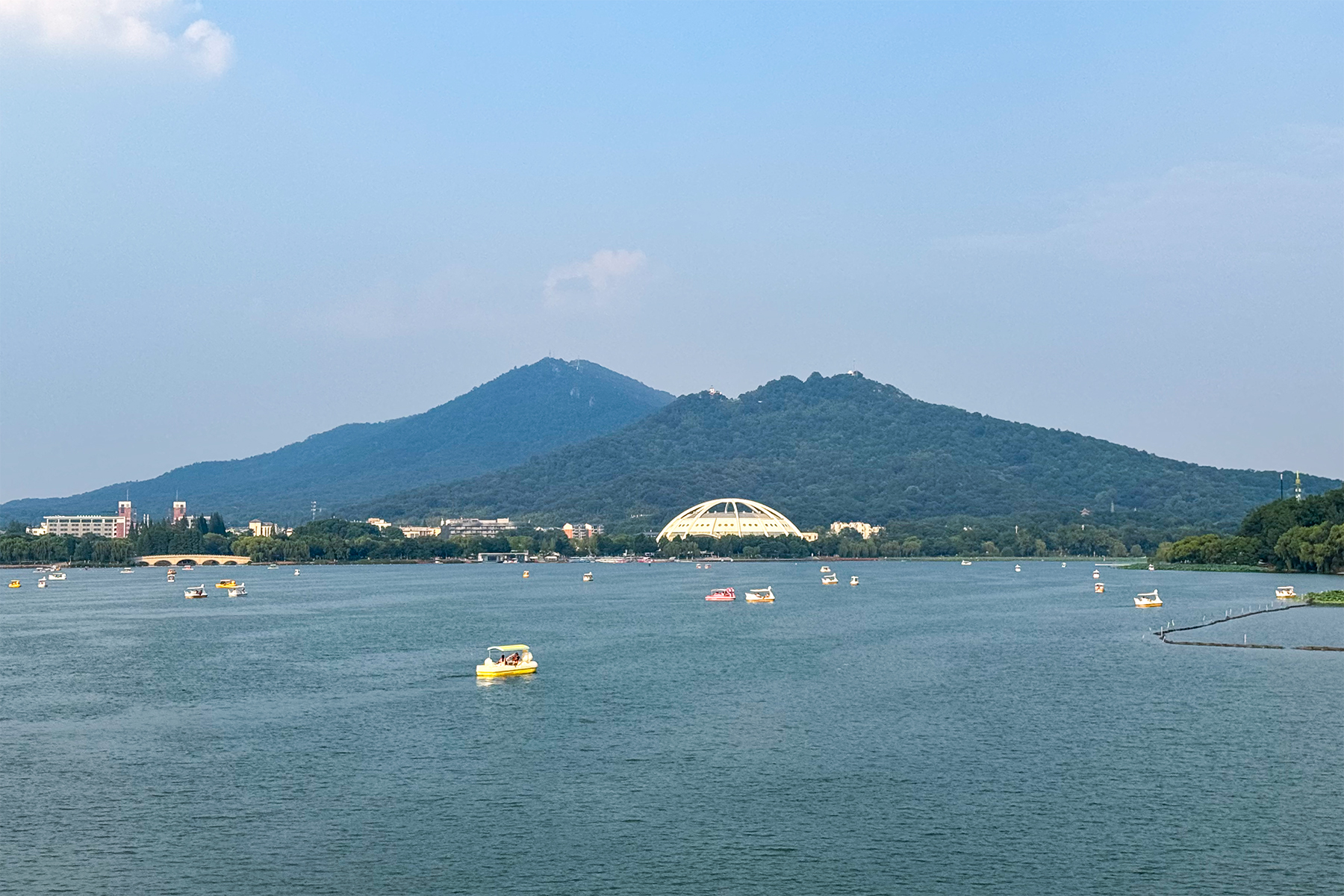 Nanjing · DoNanjing First Time: The Capital That Isn'tNanjing has been a capital often enough that it stopped needing the title. What a first visit actually runs on is simpler: one forested mountain of tombs, one great museum on a timed reservation, a wall you can walk at sunset, and a river quarter that only wakes up after dark.Reference ~
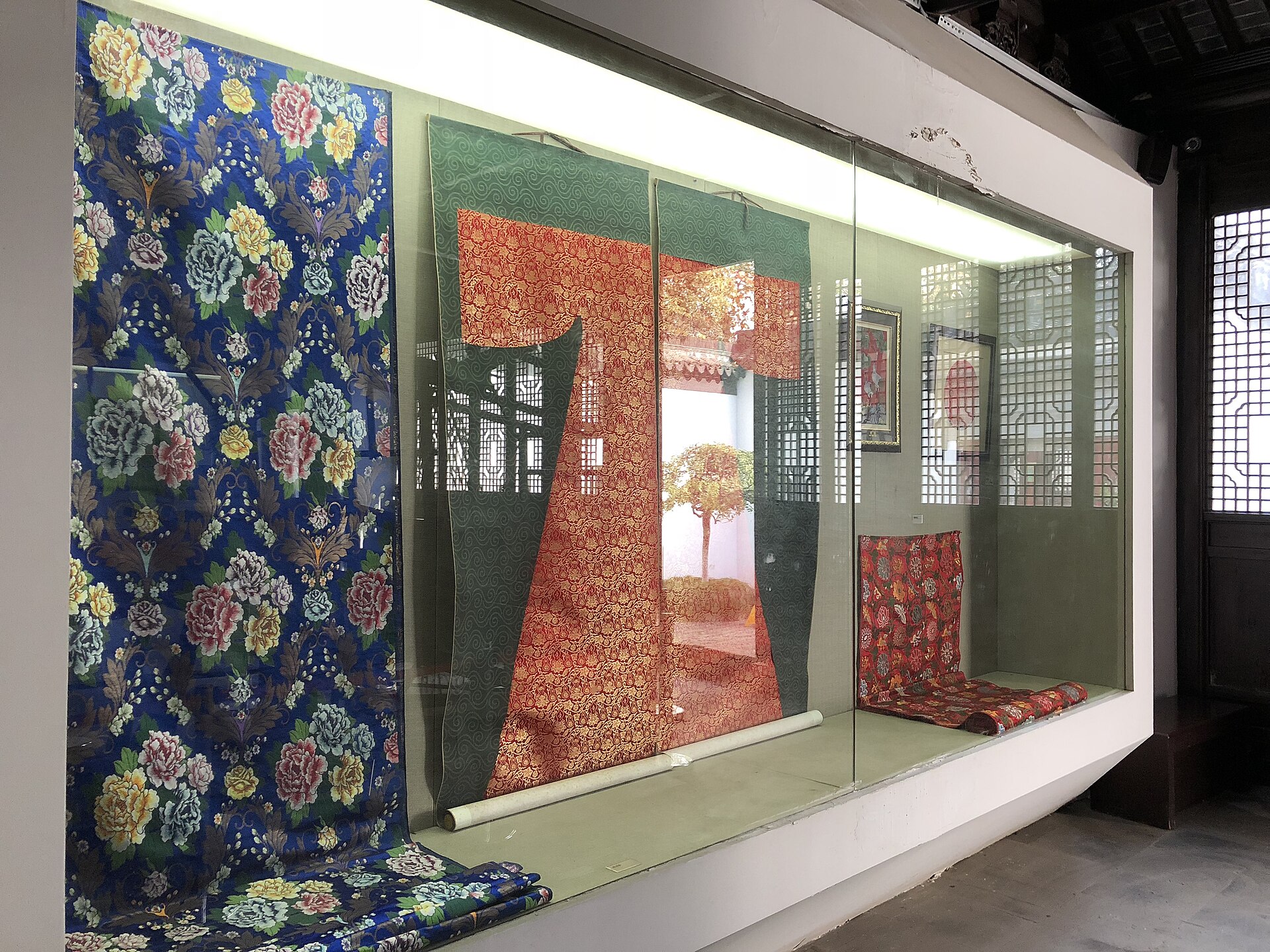 Nanjing · DoNanjing Souvenirs: Brocade and Tea, Not Just DuckA green tea named for polished stones, a brocade your thumb can authenticate, osmanthus sweets timed to departure — and the celebrated duck that should stay a meal.Verified
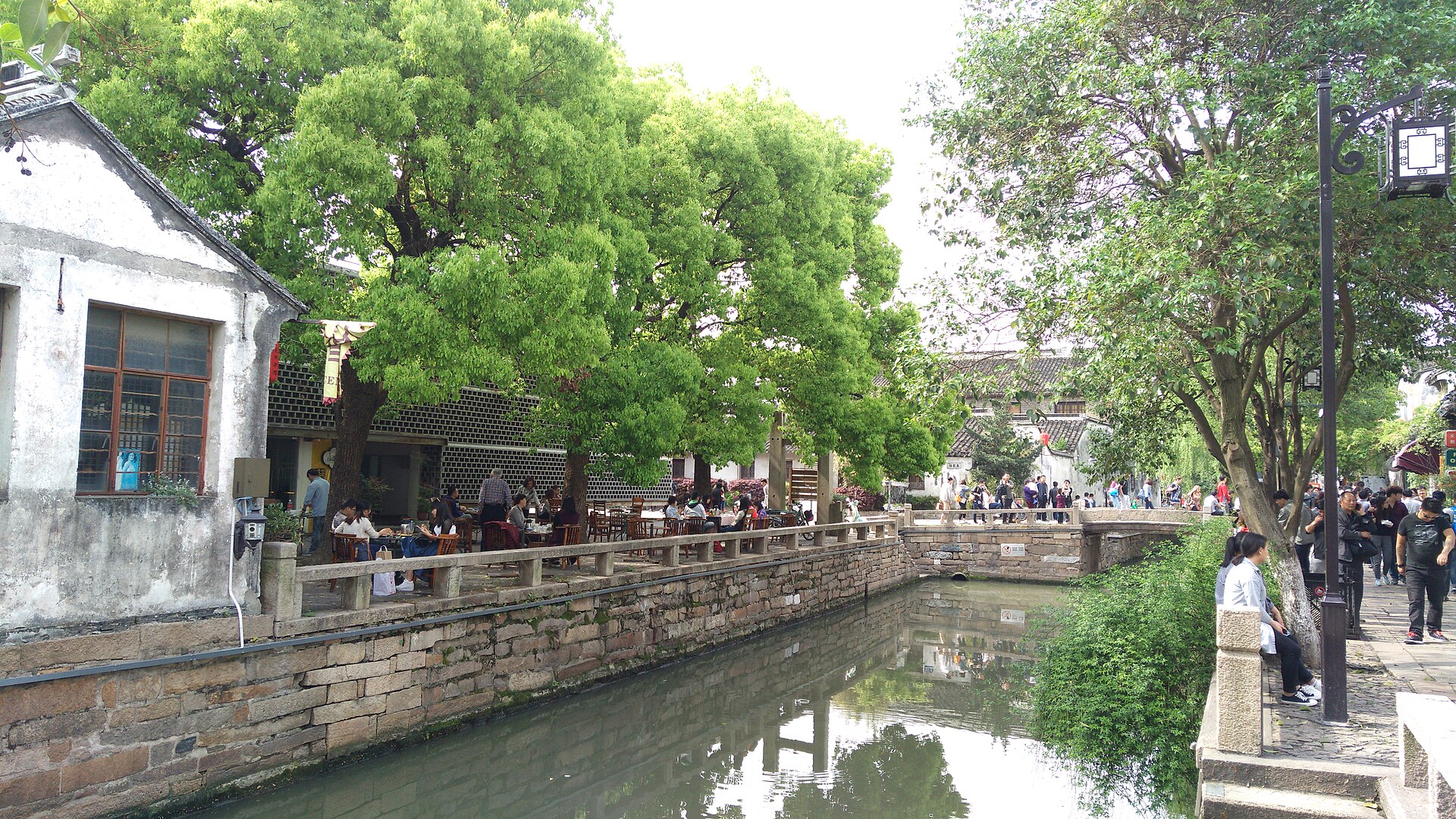 Suzhou · DoSuzhou City Walk: Pingjiang Road to the Canal RingOne canal street walked properly: a working market at its foot, a garden and a museum at its head, and a second canal street saved for the lanterns — with the two bookings, the one ride and the distances all settled in advance.Verified
 Hangzhou · DoHangzhou City Walk: The Lake's West Side, SlowlyBehind the causeway the tour buses never take is the other West Lake: three quiet bays, one small borrowed-view garden, and a five-hour walk that ends back in the city.Verified
 China · PrepareChina Trains: Your Passport Is the TicketNo paper, no ticket window — book on 12306, verify your identity once, and board on the document in your pocket. The system is simpler than the stations are big.Verified
 China · PrepareHow to Pay in China (2026): Alipay, WeChat Pay, TenPayGo, Cards and CashSet up one wallet before you fly, add a second as backup, and understand the two numbers that explain most payment confusion.Reference ~
Sources and status
Prices, schedules and booking channels change. Recheck the details that matter before you travel.
- Nanjing Municipal People's Government portalReference ~City portal for official Nanjing visitor and scenic-area references, including the city wall and Yihe Road quarter (checked 2026-10-31, HTTP 200)
- Nanjing Metro — official siteReference ~Network maps and line information for the metro legs this walk relies on. The site did not respond from the checking sandbox (connection failure on both schemes with a browser user-agent, 2026-10-31); station facts are cross-checked against the city portal and published network maps
- Jiangsu Provincial People's Government portalReference ~Provincial portal carrying Nanjing heritage and city-wall protection references (checked 2026-10-31, HTTP 200)
- UNESCO World Heritage — Imperial Tombs of the Ming and Qing DynastiesReference ~Listing context for Nanjing's Ming-era monumental landscape, the same building programme that raised the wall (checked 2026-10-31, HTTP 200)
- China Railway 12306 — official bookingReference ~Official rail booking for travellers folding this walk into a Shanghai or Suzhou trip (checked 2026-10-31, HTTP 200)