
The Sun Yat-sen Mausoleum is free to enter, but entry runs on a real-name advance reservation made through the Zhongshan Scenic Area's official channels, with the passport used for entry checks; the mausoleum core opens Tuesday to Sunday, 8:30–17:00, with its halls closed on Mondays outside holidays
Checked 31 October 2026GUIDES / ITINERARIES
Nanjing First Time: The Capital That Isn't
Nanjing has been a capital often enough that it stopped needing the title. What a first visit actually runs on is simpler: one forested mountain of tombs, one great museum on a timed reservation, a wall you can walk at sunset, and a river quarter that only wakes up after dark.
City Nanjing15 min read11 facts labeledChecked 2026-10-31
The taxi driver asked which capital I meant
The train from Shanghai takes about an hour, and for most of it the window is flat green delta. Then the light changes. Hills stand up out of the plain — real hills, wooded and close — and the train slides into Nanjing South through a city that is suddenly shaded by plane trees tall enough to meet over the road. At the rank outside the station the driver asked where I was staying, and when I said near the old palace he nodded the way people nod at a place that used to run an empire. Nanjing has done that job more than once. It simply no longer has to.
That is the first thing to understand about this city, because it decides how you should spend your days. Nanjing is not a checklist capital like Beijing, where the sights queue up in one ceremonial line. Its great places sit in four separate pockets — a forested mountain of tombs in the east, a museum and palace quarter in the centre, a lake under the old wall in the north, and a lantern-lit river in the south — and each pocket runs on its own clock. One needs a reservation made days ahead. One is free but shuts on Mondays. One is best at dawn, one only exists after dark. A first visit succeeds or fails on sequencing, not stamina.
A first visit at a glance
| Arrival by rail | Nanjing South is the main high-speed hub, south of the centre; the older Nanjing station sits by Xuanwu Lake on the north shore and suits some Shanghai and Yangzhou services |
|---|---|
| Arrival by air | Lukou Airport rides the S1 metro line into Nanjing South, so the airport leg folds into the rail-station leg without a separate transfer plan |
| Base | Xinjiekou for metro reach in every direction, or the Daxinggong and Presidential Palace quarter for a quieter, greener first stay |
| Day one anchor | Purple Mountain: the Sun Yat-sen Mausoleum and the Ming Tomb share one forested scenic area and one morning, booked in two different ways |
| Day one afternoon | Nanjing Museum, free and entirely reservation-gated, a short metro ride west of the mountain |
| Day two anchor | The Presidential Palace and the 1912 quarter, then the city wall at Jiefangmen for the hour when the light turns |
| The solemn half day | The Memorial Hall of the Victims in the Nanjing Massacre, in the west of the city, free, reserved ahead, and not something to sandwich between entertainments |
| Evening | The Qinhuai River and Confucius Temple quarter in the south: lanes, bridges and boat lights, at their best after 19:00 |
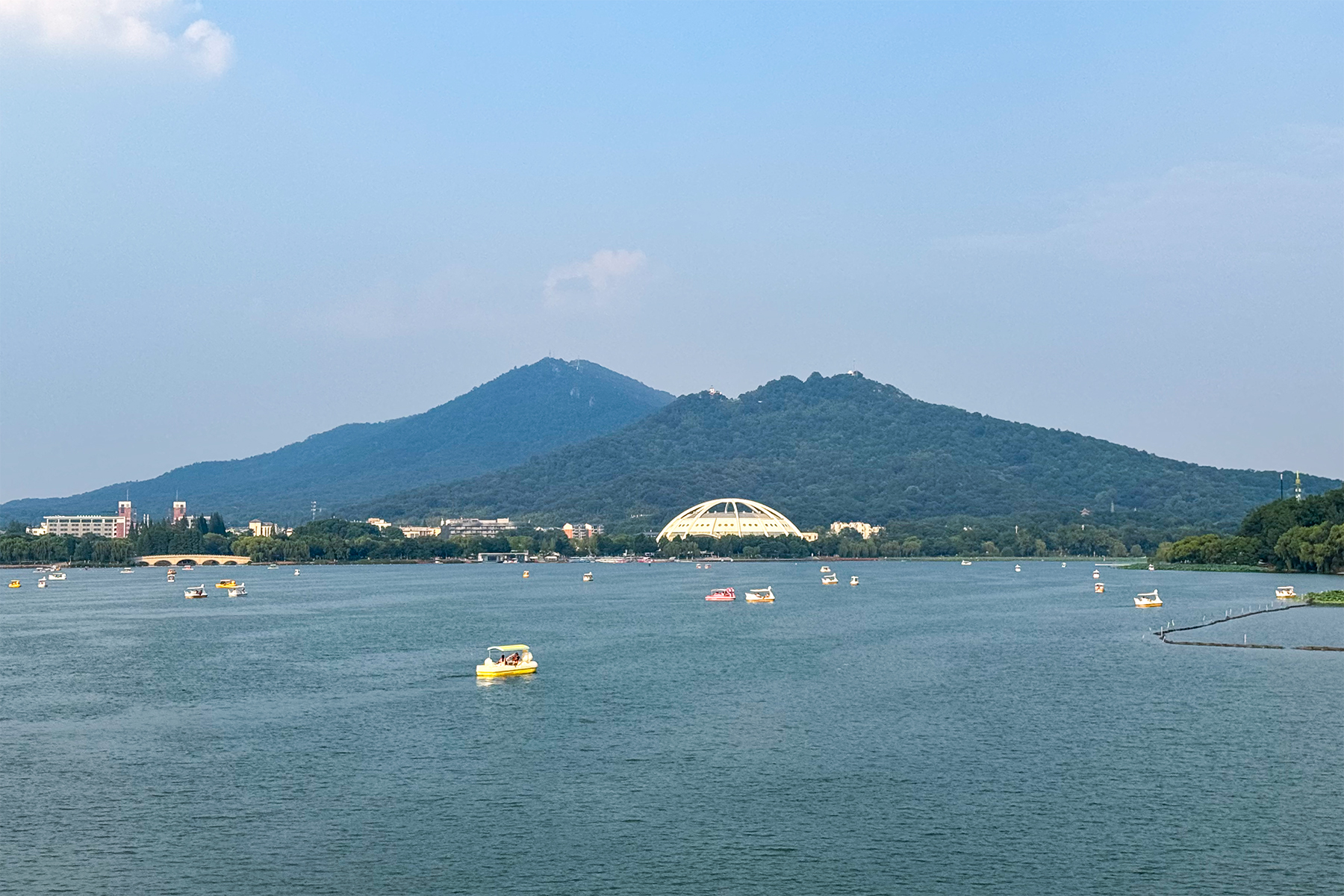
| The free hours | Xuanwu Lake, five linked isles under the wall, no ticket and no gate worth the name; the city's breathing space between sights |
| Typical trip length | 2 to 3 days: two days cover the anchors, a third buys the wall walk, the lake and a slower museum morning |
| Best months | Late March to May for blossom and mild air; late October to November for ginkgo, maple and dry walking weather |
| Worst months | July and August bring furnace heat and humidity; plum-rain weeks in June soak multi-day plans |
| Best for | Travellers who like their history walkable: dynastic tomb, republican palace and modern memorial inside one compact city |
| Pace | One pocket per half day; Nanjing punishes cross-city zigzags because the mountain, the lake and the river pull in three directions |
| Transport | Metro lines 1, 2, 3 and 4 plus your own feet cover every sight named here; taxis bridge the mountain's internal distances |
Set up before you arrive
Your ticks stay on this page only. No account or personal data is sent.
Two days, sequenced the way the city wants
- First decision: pick your station, then your base
Most fast trains from Shanghai, Suzhou and Hangzhou arrive at Nanjing South, a vast hub on the city's southern edge with metro lines 1 and 3 in its belly. A minority of services use the older Nanjing station beside Xuanwu Lake — handier for the wall and the lake, wrong-footing if your hotel directions assume the south. Decide your base from the sights, not the station: Xinjiekou is the commercial centre and the safest all-round choice, while the streets around Daxinggong and the Presidential Palace are leafier and put the museum quarter at your door. Either way, you want a metro station within a five-minute walk.
- Ride in on the metro, not through the traffic
Nanjing's centre is shaded, dense and slow at street level, and its metro is the honest way across it. Line 1 runs the north-south spine through both railway stations and Xinjiekou; Line 2 runs east-west past the museum quarter to the Purple Mountain gates at Muxuyuan and Xiaolingwei; Line 3 drops you at the Confucius Temple and Qinhuai lanes; Line 4 serves the wall's northern gates and Jiming Temple. Fares are distance-based and small. Buy single-journey tokens at the machines or ride on a transit QR inside Alipay — set that up on day one, at the station, with time to spare.
- Morning one: Purple Mountain before the steps fill
Give the mountain the first morning, and start up the Sun Yat-sen Mausoleum's long stair while the air is still cool — the climb is the visit, a ceremonial ascent through blue-tiled gates to the festival hall above the city. Your slot was booked free, by name, days ago; the passport in your pocket matches it. Afterwards, walk or take the scenic shuttle across to the Ming Tomb, where the ticketing logic flips: this one is paid, bought by name at the gate or online, and its Sacred Way of stone animals is best walked slowly, in the direction the emperors intended, away from the crowds rather than into them.
- Afternoon one: the museum that runs on an alarm clock
Ride Line 2 back west to the Nanjing Museum, one of the great collections in China — jade and porcelain upstairs, and downstairs a rebuilt Republic-era street where you can drink tea inside the city's own past. Entry costs nothing and permits no improvisation: your reservation was made through the museum's own system when the daily release opened at 18:00, up to seven days ahead, for a morning or afternoon band. Arrive inside your band, passport ready. Two to three hours is the honest dose; the collection rewards depth in two or three galleries over a sprint through all of them.
- Morning two: the palace of three governments
The Presidential Palace, a short walk from the museum quarter, is less a palace than a layered archive in garden form: a Ming princely residence, a Qing viceroy's yamen, the Taiping Heavenly Kingdom's palace, and then the offices of the Republic — Sun Yat-sen's modest rooms and the grand administration buildings behind them. It is a paid ticket, bought ahead on busy days, and it closes on Mondays. Go at opening, walk it front to back in historical order, and finish in the Xu Garden in the west wing, where the tour groups thin out and the ponds do the talking.
- Afternoon two: the wall, walked at the good hour
Save the Ming city wall for late afternoon, when the brick loses its glare and the lakes turn gold. The wall is not one attraction but a set of separately ticketed segments, and the northern stretch reached from Jiefangmen is the first-timer's segment: up the ramp, along the broad top, Xuanwu Lake spread out on one side and Jiming Temple's pagoda rising from the trees on the other. The original circuit ran about 35 kilometres and some 25 kilometres of wall still stand, so choose your segment rather than dreaming of the whole ring. End by dropping down to the lake shore as the light goes.
- The solemn half day: the Memorial Hall, on its own terms
In the west of the city, the Memorial Hall of the Victims in the Nanjing Massacre stands on one of the massacre's burial sites, and it asks to be visited deliberately: not as the third sight of a busy day, but as the day's purpose. Entry is free, reserved ahead through the official channel, in a timed window; the hall is open Tuesday to Sunday and closed on Mondays outside statutory holidays. Allow two hours, walk it in sequence, and let the afternoon afterwards be quiet ones — the lake, the wall, tea. Travellers consistently call it the most important place in Nanjing. Treat the logistics with the same seriousness as the visit.
- Evenings and the third day: the river, the lake, the leftovers
Nanjing's evenings belong to the Qinhuai: the Confucius Temple quarter, where the examination halls and temple fronts face a river strung with lit boats, and the older lanes of Laomendong a short walk south, where the snack shops and courtyard houses keep local hours. Go after 19:00, eat duck the Nanjing way — salted, sliced cold, with ginger — and let the crowds set your pace. A third day is for what the sequencing squeezed out: a slow circuit of Xuanwu Lake's five isles, the brocade and tea shopping of the souvenirs run, or a day trip out to Yangzhou before its lake gardens close. The city rewards the extra night.
What this plan rests on
The Ming Xiaoling Mausoleum is a paid site inside the same scenic area: individual admission is listed at ¥70, and a combination ticket around ¥100 bundles it with the Linggu area, the Open-Air Music Hall and Meiling Palace
Checked 31 October 2026The Ming Xiaoling Mausoleum forms part of the UNESCO World Heritage listing for the Imperial Tombs of the Ming and Qing Dynasties — the listing behind the tomb's protected status and its place on the mountain
Checked 31 October 2026Nanjing Museum entry is free and fully reservation-based: slots are released daily at 18:00 for dates up to seven days ahead, split into morning and afternoon entry bands, and the museum opens 9:00–17:00 with last entry at 16:00, closed Mondays outside public holidays
Checked 31 October 2026The Memorial Hall of the Victims in the Nanjing Massacre is free, open Tuesday to Sunday and closed Mondays except statutory holidays, and its official reservation page asks visitors to book ahead — at least one day and up to five days in advance through its official WeChat account — and to present the original document used
Checked 31 October 2026The Presidential Palace charges a modest admission — published prices cluster around ¥35–40 depending on season and channel — opens at 8:30, and closes on Mondays outside public holidays
Checked 31 October 2026Nanjing's Ming city wall originally ran about 35.3 kilometres, of which roughly 25 kilometres survive; the open sections are ticketed separately by segment, with published fares ranging from about ¥10 for short northern stretches to ¥50 for the long southern section through Zhonghua Gate
Checked 31 October 2026Xuanwu Lake, at the foot of the wall's northern gates, is open public parkland with no general admission charge — its five isles are linked by causeways and bridges and carry the city's morning exercise and evening strolling load
Checked 31 October 2026Metro Line 2 serves both the museum quarter at Daxinggong and the Purple Mountain scenic gates at Muxuyuan and Xiaolingwei; Line 1 links Nanjing station, Xinjiekou and Nanjing South; Line 3 serves the Confucius Temple area; the S1 line links Lukou Airport with Nanjing South
Checked 31 October 2026High-speed trains between Shanghai and Nanjing take about an hour on the fastest services and run throughout the day, which is what makes Nanjing a realistic add-on or alternative base to a Shanghai trip
Checked 31 October 2026Nanjing served as the Ming dynasty's founding capital and as the capital of the Republic of China — the two layers that supply most of what a first visit looks at, the Ming Tomb and wall on one side, the mausoleum and Presidential Palace on the other
Checked 31 October 2026Where this breaks
Monday is a trap day
The museum, the Presidential Palace, the Memorial Hall and the mausoleum's halls all keep Monday closures outside public holidays. A two-day visit that lands its second day on a Monday must front-load every indoor sight into day one and give Monday to the wall, the lake and the mountain's outdoor grounds — or accept a thinner trip.
Free sights are the fragile ones
The three free anchors — the mausoleum, the museum, the Memorial Hall — are exactly the ones that cannot be improvised. Their reservations are by name, by document, inside fixed windows. Miss the window and no amount of money at the gate repairs it; the paid sights are the flexible ones, not the free ones.
Summer rewrites the plan
July and August in Nanjing are famously punishing: heat in the high thirties with heavy humidity, and the mountain's open staircases and the wall's unshaded top become midday hazards. In those months the sequence inverts — interiors and the museum at midday, the wall and the mountain at the edges of the day.
Purple Mountain is bigger than it looks
The scenic area is a forested mountain, not a plaza: the mausoleum, the Ming Tomb, Meiling Palace and the Linggu Temple are kilometres apart on wooded roads. Travellers who plan it as a single sight run out of day. Use the scenic shuttle buses, and treat the mountain as a half day minimum, a full day in plum-blossom or maple season.
Holiday weeks compress everything
During Golden Week and the spring blossom peak, reservation slots for the free sights can exhaust soon after release, wall segments queue, and the Qinhuai lanes slow to a shuffle. On those dates the early starts in this guide stop being preferences and become the entire plan — or choose the following week instead.
Prices and hours drift
Several figures here — the palace admission, wall segment fares, the tomb's combination bundle — are published inconsistently across channels and change by season. They are given as planning figures, marked as reference, and every one of them should be rechecked against the venue's own notice in the week you travel.
Two stations, one expensive mistake
Nanjing South and Nanjing station share a city and nothing else. A ticket to the wrong one costs the better part of an hour across town and can unravel a mausoleum slot timed for the same morning. Check the station name character by character when you book, and again the night before.
The Qinhuai has two faces
The Confucius Temple riverfront is at its most commercial on the main axis — the lanes behind it and Laomendong to the south keep the older texture. Travellers who only walk the brightest two hundred metres often leave thinking the quarter is a theme street. It is not; it is just fronted by one.
Keep the trip moving
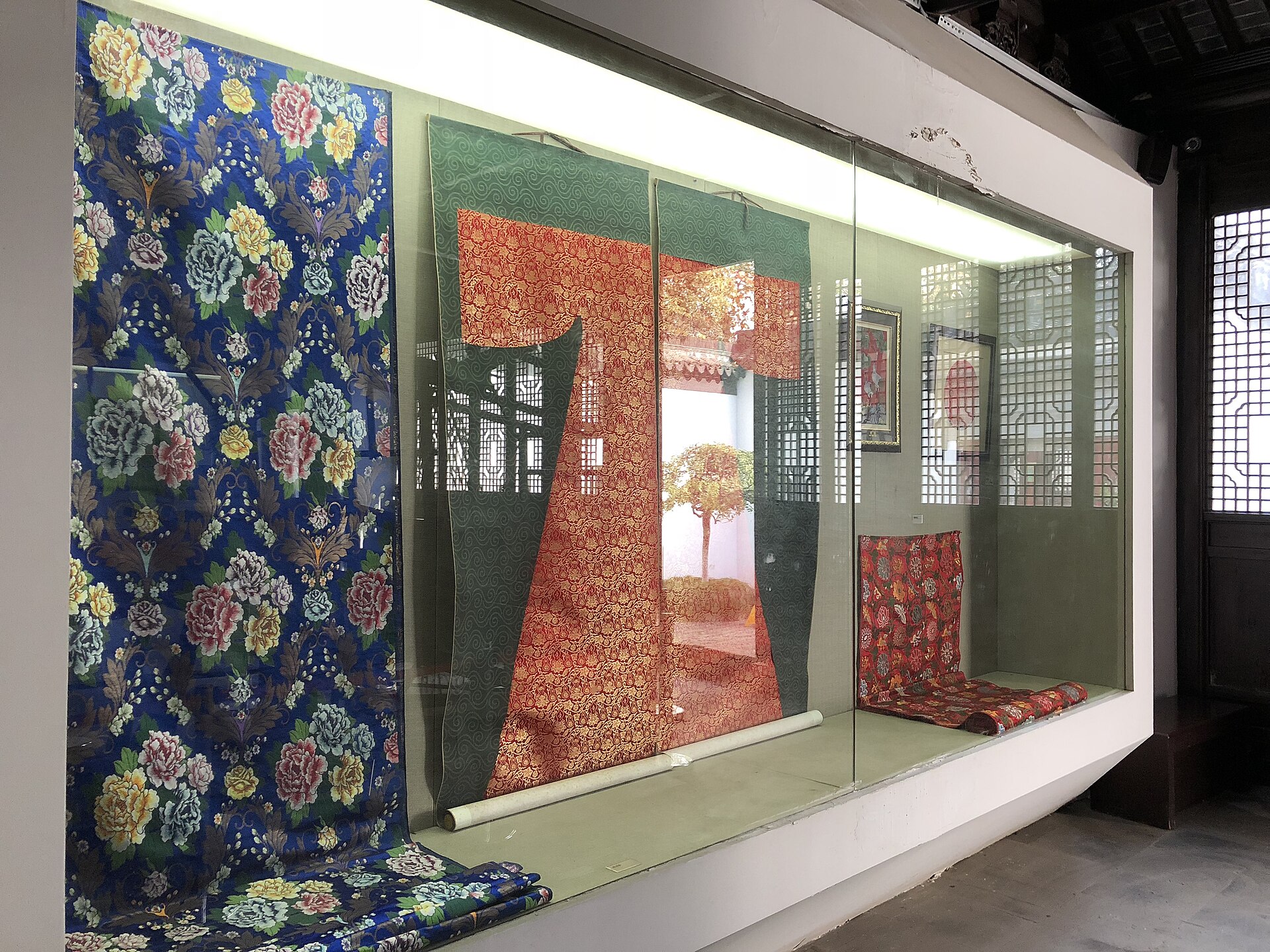 Nanjing · DoNanjing Souvenirs: Brocade and Tea, Not Just DuckA green tea named for polished stones, a brocade your thumb can authenticate, osmanthus sweets timed to departure — and the celebrated duck that should stay a meal.Verified
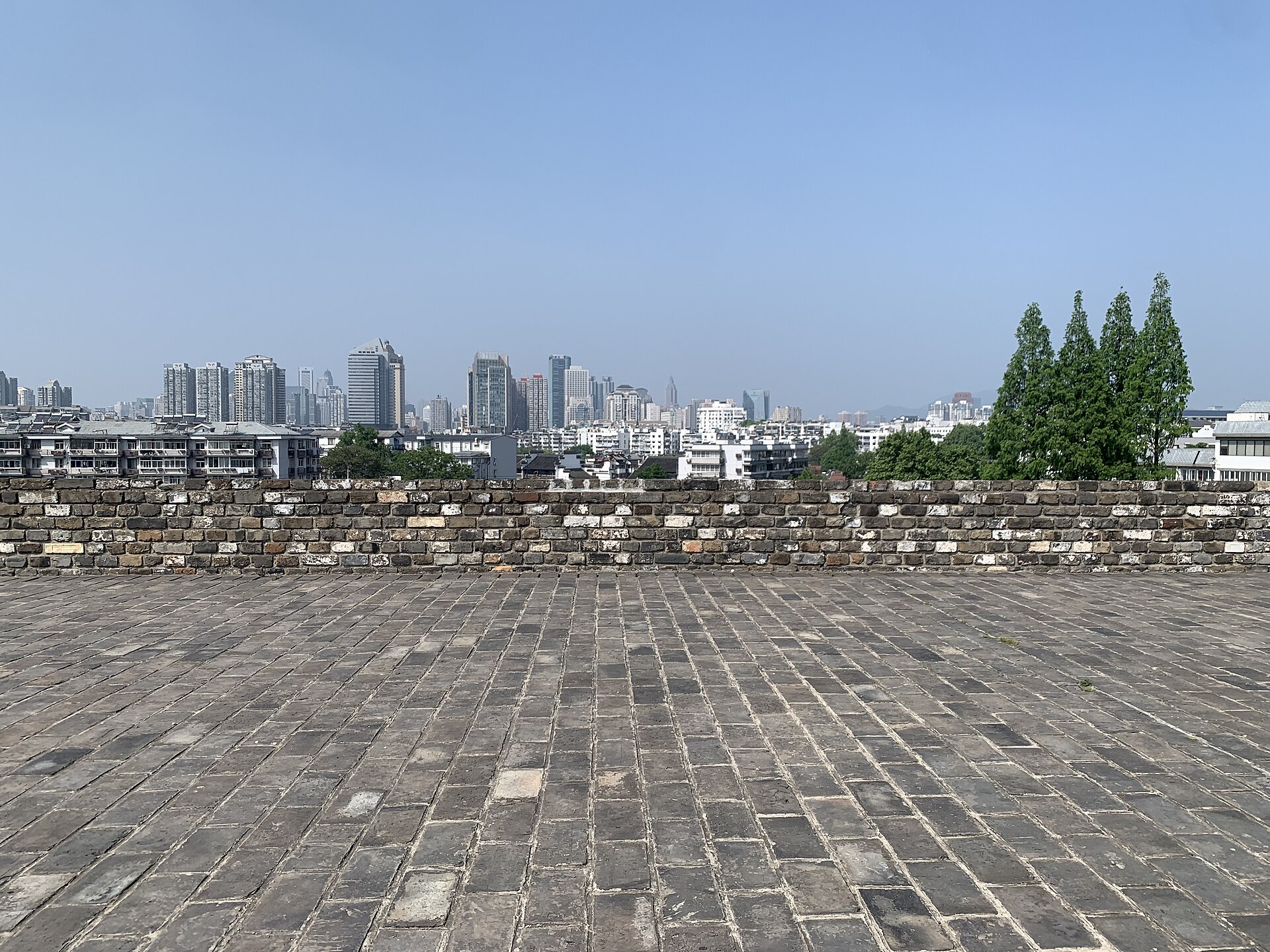 Nanjing · DoNanjing City Walk: Ming Walls and Republic StreetsOne walk, two vanished states: begin among the Republic's ministry mansions on Yihe Road, pass the Drum Tower and Jiming Temple, then climb the Ming wall at Jiefangmen and finish above Xuanwu Lake as the light goes — the city's whole argument with itself, walked in order.Reference ~
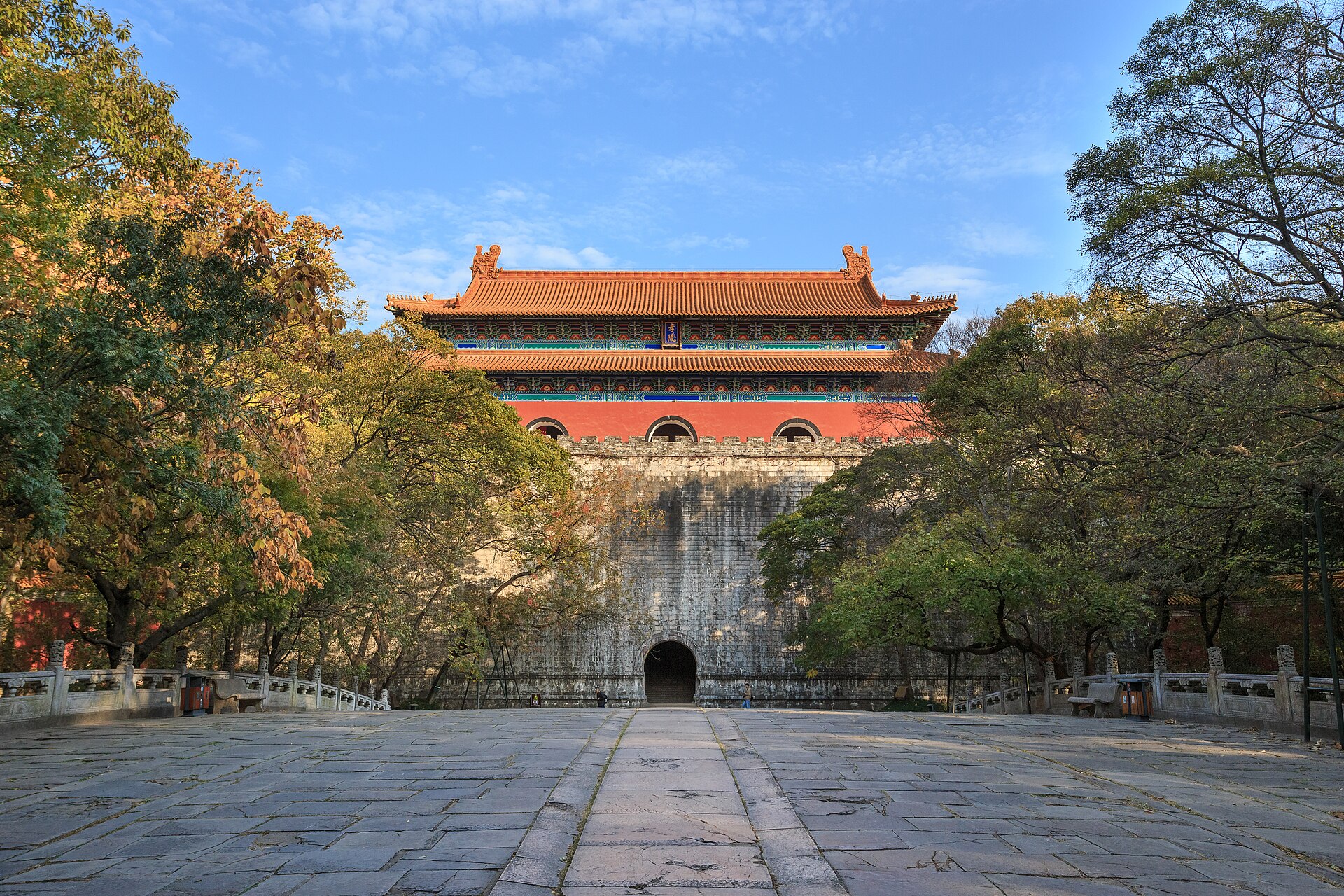 Nanjing · PrepareBooking the Ming Tomb and Sun Yat-sen MausoleumOne mountain, two founders, two opposite ticket systems: the Republic's mausoleum is free but refuses anyone without a named reservation, while the Ming emperor's tomb charges at the gate and lets you decide on the day. Book them in the right order and Purple Mountain takes one morning, not two trips.Reference ~
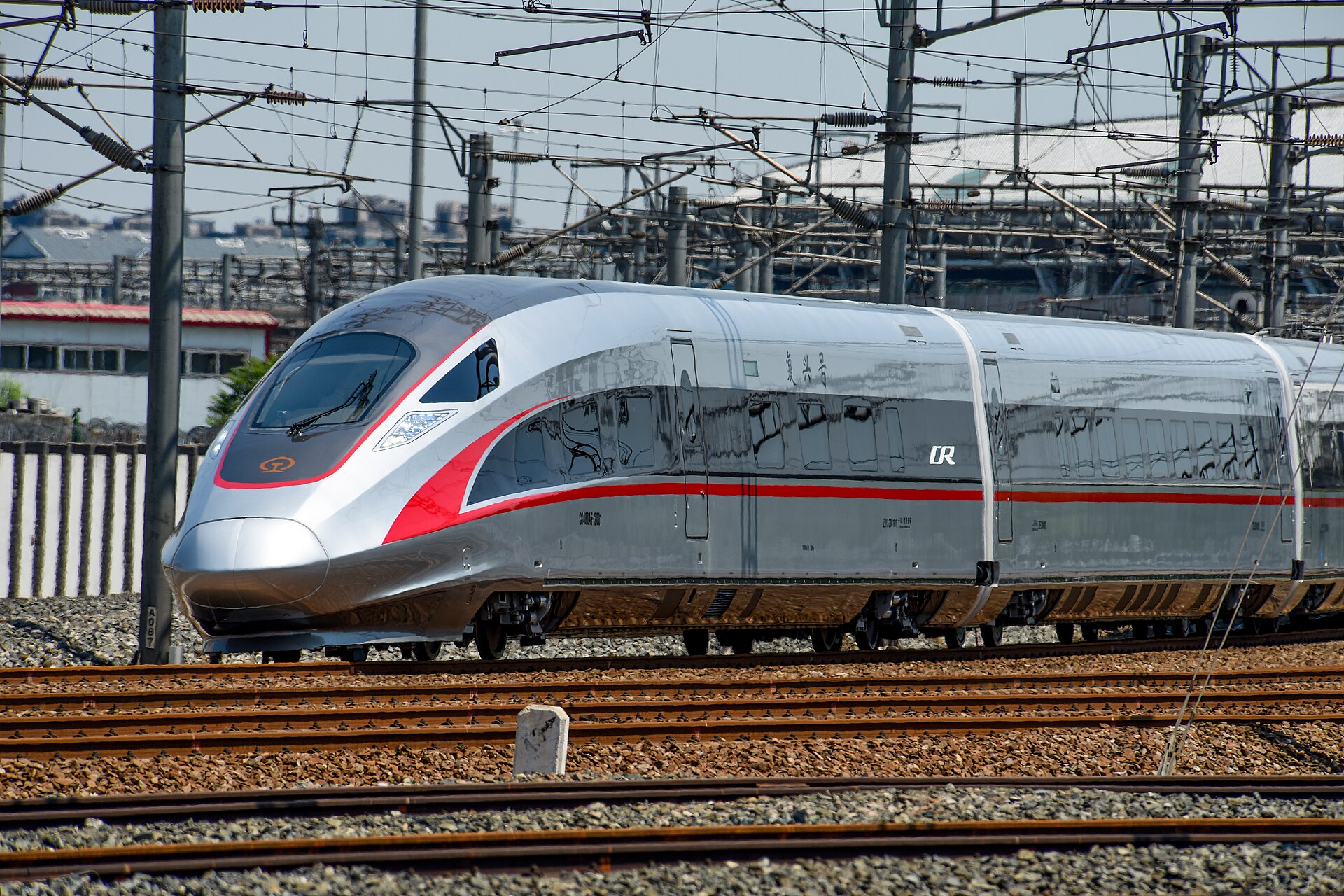 China · PrepareChina Trains: Your Passport Is the TicketNo paper, no ticket window — book on 12306, verify your identity once, and board on the document in your pocket. The system is simpler than the stations are big.Verified
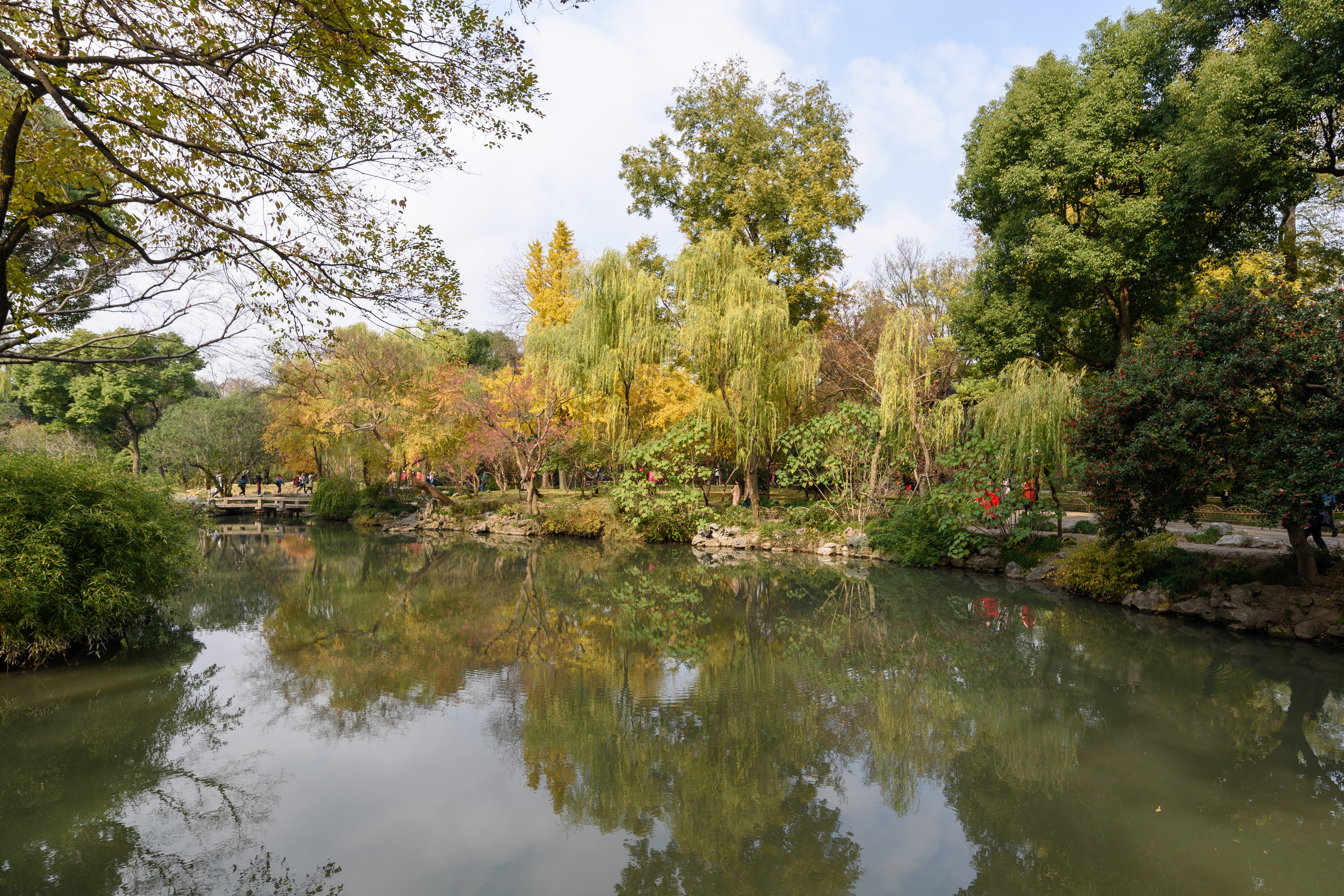 Suzhou · DoSuzhou as a Day Trip from Shanghai: One Garden, One Canal, Home by DinnerA garden, a canal street and one of China's great museums, twenty-seven minutes from Shanghai — if you book the three things that sell out and catch a specific train home.Reference ~
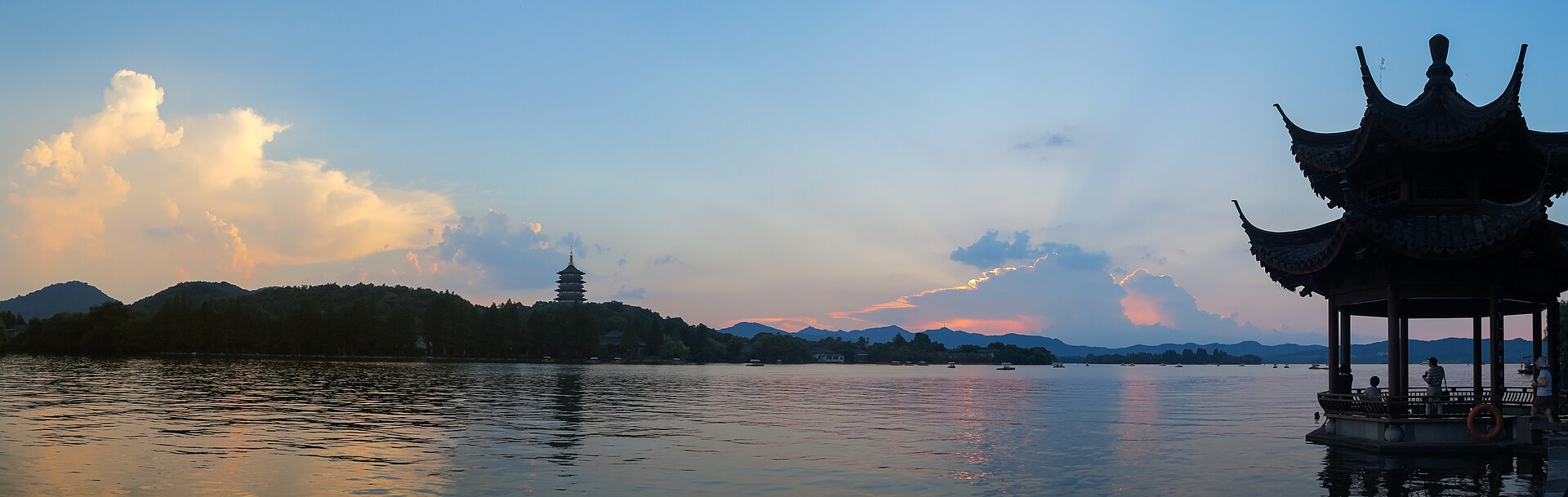 Hangzhou · DoHangzhou First Time: West Lake Without the Crowd MathThe lake has no gate and no entrance ticket — it has a ring, two crowded doors and one temple that now runs on reservations. Walk the ring against the flow, give Lingyin its own morning, and the crowd maths stops mattering.Verified
Sources and status
Prices, schedules and booking channels change. Recheck the details that matter before you travel.
- Nanjing Municipal People's Government portalReference ~City portal for official Nanjing visitor, museum and scenic-area references (checked 2026-10-31, HTTP 200)
- Nanjing Museum — official siteVerifiedThe museum's own site: full-reservation entry, release rules, opening days and visitor information (checked 2026-10-31, HTTP 200)
- Memorial Hall of the Victims in Nanjing Massacre — official visit reservation pageVerifiedOfficial English reservation page: Tuesday-to-Sunday opening, Monday closure, advance reservation window and entry documents (checked 2026-10-31, HTTP 200)
- Zhongshan Scenic Area — official siteReference ~The scenic area authority for Purple Mountain: mausoleum and tomb visitor rules and notices (checked 2026-10-31, HTTP 200 over http; https did not respond from this network)
- UNESCO World Heritage — Imperial Tombs of the Ming and Qing DynastiesVerifiedListing covering the Ming Xiaoling Mausoleum in Nanjing (checked 2026-10-31, HTTP 200)
- China Railway 12306 — official bookingReference ~Official rail booking and timetables; exact Nanjing services must be verified for the travel date (checked 2026-10-31, HTTP 200)
- Nanjing Metro — official siteReference ~Network maps and line information for the metro legs this guide relies on. The site did not respond from the checking sandbox (connection failure on both schemes with a browser user-agent, 2026-10-31); line and station facts are cross-checked against the city portal and published network maps