
Real-name reservation survives at only a handful of Suzhou sights — the Humble Administrator's Garden, the Lingering Garden, Lion Grove, Tiger Hill and the main branch of Suzhou Museum — while the other bureau gardens dropped it, per the municipal notice of September 2025
Checked 31 October 2026GUIDES / TICKETS & BOOKING
Booking Suzhou's Gardens: Which Ones Need Reservations, and How Far Ahead
Suzhou's famous gardens no longer sell their best hours at the gate. Which ones demand a real-name reservation, how far ahead each window opens, and the walk-up gardens that save a sold-out day.
City Suzhou14 min read11 facts labeledChecked 2026-10-31
The garden gate that sells nothing
The couple at the front of the line had done everything right except the one thing that mattered. They had the early train from Shanghai, a shortlist written on a phone, even the garden's name saved in Chinese characters for the taxi driver. What they did not have was a booking. It was a Saturday in late April, the wisteria was out, and the screen beside the Humble Administrator's Garden entrance was working through the day's entry slots like a departures board — each one already claimed. There was no ticket window to appeal to. In Suzhou, the famous gardens are not bought at the gate any more. They are reserved, by name, days earlier, or not at all.
That single fact reorganises a Suzhou trip. The gardens split into two worlds: a small group of sights where a real-name reservation is the only door in, and a longer list where you can still simply arrive. This guide is the map of that split — which gardens sit on which side of it, how far ahead each one opens, where the official booking channels actually live, and what to do on the morning your first choice says full.
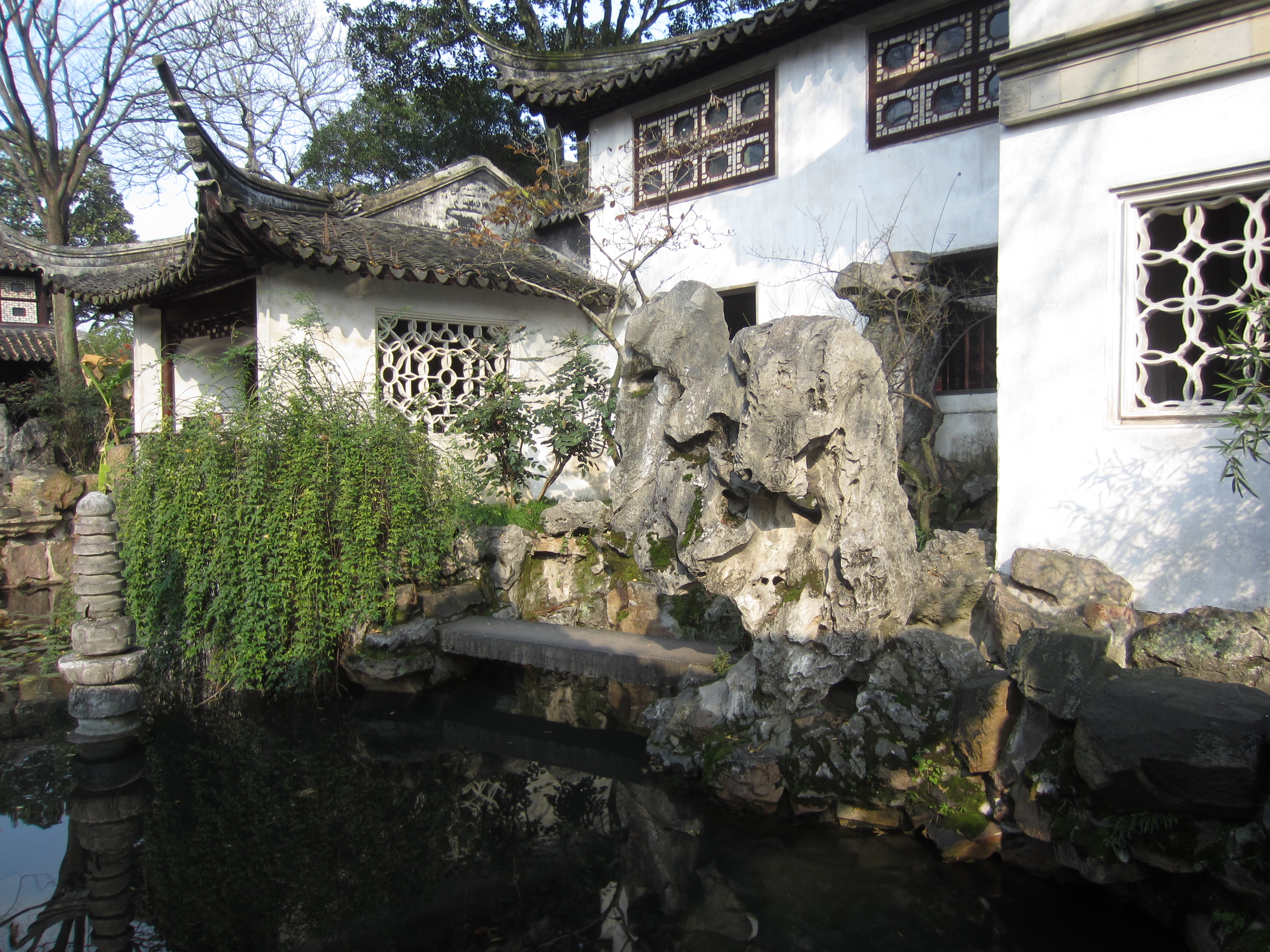
Each garden, and the rule that governs its gate
| Humble Administrator's Garden | Reservation compulsory — real-name, timed entry slots, booked online one to seven days ahead; treat the gate as check-in, not a shop. ¥80 in peak months, ¥70 otherwise |
|---|---|
| Lingering Garden | Reservation compulsory — the same real-name timed system, slots released across a seven-day window on the gardens' official platform. ¥55 peak, ¥45 off-season |
| Lion Grove Garden | Reservation compulsory — real-name timed booking through the same official channels as its two bigger neighbours. ¥40 peak, ¥30 off-season |
| Tiger Hill | Book ahead — named among the sights keeping real-name reservation in the city's 2025 notice; secure the slot on the official platform rather than testing the gate. ¥70 peak, ¥60 off-season |
| Suzhou Museum, main branch | Free, and the strictest door in the old town — full real-name reservation, bookable a full seven days out, via the museum's own site, account or mini-program; closed Mondays. No reservation, no entry |
| Master of the Nets Garden | No reservation needed — buy online in advance if you like, or scan and pay at the gate on the day. ¥40 peak, ¥30 off-season; the evening night-garden session is a separate ¥120 ticket |
| Canglang Pavilion | No reservation needed — walk up and buy. ¥20 peak, ¥15 off-season; a combined ticket with neighbouring Ke Garden runs ¥40 peak, ¥30 off-season |
| Yipu, Yi Garden and the small gardens | No reservation needed — the quiet end of the system, with small flat fares (Yipu is ¥10 all year). These are the gardens that rescue a sold-out day |
| Hanshan Temple | No reservation needed — a ¥20 walk-up ticket outside the gardens system entirely; the fallback sight that always has room |
| Suzhou Museum, West Branch | No reservation at all — queue and walk in. When the main branch is fully booked, this is the museum visit that still exists |
Set up before the booking windows open
Your ticks stay on this page only. No account or personal data is sent.
Booking, step by step
- Learn the split before you learn the prices
Suzhou runs two entry systems side by side. A handful of sights — the Humble Administrator's Garden, the Lingering Garden, Lion Grove, Tiger Hill and the main branch of Suzhou Museum — kept real-name reservation when the rest of the system dropped it, a position restated in the city's September 2025 notice. Every other classical garden on the official list sells ordinary tickets: order them online if you enjoy certainty, or arrive and pay. Travellers get into trouble by treating the two groups as one, usually by assuming a famous name means a ticket window. It does not.
- Fix the dates, because both systems run on a seven-day clock
Garden reservations open one to seven days before the visit: nothing can be booked earlier, and the mandatory gardens are not sold for same-day entry online. The museum's window reaches seven days ahead and includes the visit day itself, so a same-day museum slot is possible when capacity survives — a different rhythm from the gardens, and worth knowing when a plan is being rescued at short notice. In practice this means a Suzhou weekend is assembled in the week before it happens. The train can be booked earlier; the garden that justifies the train cannot.
- Take the museum first if the trip includes a weekend
Of all the doors in this guide, the museum's is the narrowest: entry is free, demand is not rationed by price, and weekend slots are the first in the old town to disappear. Register on the museum's official website with your real name and document details, then book through the site, the museum's official WeChat account or its full-reservation mini-program; the booking system keeps office hours, roughly 08:00 to 23:00. Keep the reservation number with the confirmation. On the day, use the reserved-entry lane inside your chosen slot — the museum's own visitor guidance allows only a small margin either side of it — and show the original passport the booking was made under.
- Book the big gardens on the gardens' own platform
The mandatory gardens are sold through the gardens administration's own channels: its booking website (szylly.com) and its official WeChat account, with the city's tourism platform acting as a second official doorway. Choose the garden, the date and the entry slot, then enter each visitor's real name and document number — a passport number works for foreign visitors — and pay to confirm. What you receive is not a ticket to print but a name on a list: at the entrance, the booking is matched against the document itself. Choose slots as you would choose trains, with the day's walking route in mind; a garden entered at the far end of the old town from your previous sight costs you the hour you saved.
- Paying and operating the booking without Chinese apps
The official booking flows are in Chinese, and payment runs through the usual domestic rails. Two things soften that for foreign visitors. First, official reporting on the gardens' foreign-visitor arrangements describes card terminals for foreign bank cards and staffed service windows at the principal gardens — the human fallback exists precisely for travellers whose self-service attempt failed. Second, the task itself is delegable but the name is not: a hotel desk can drive the screens for you, yet the reservation must still be made under the passport of the person who will walk through the gate. Third-party sellers will happily take the same booking at a markup; what they cannot sell you is a name that is not yours.
- On the day, treat every booking as an appointment
A timed reservation buys a slot, not a day. Arrive inside it, document in hand, and expect the check to be quick and literal. Garden hours add a second frame: from March to October the bureau gardens run 07:30 to 17:30 with last entry at 17:00, and from November to February they close an hour earlier, last entry 16:30. Tiger Hill keeps longer hours in the warm months. An early slot at a great garden is worth more than a late one — the compositions were built for morning light and thin crowds — so when the platform offers you 08:00, take it and have breakfast afterwards.
- When the slot you wanted is gone
Do not start with resellers. Rebuild the day from the walk-up list instead: the Master of the Nets Garden carries more architecture per square metre than gardens three times its size, Canglang Pavilion is the oldest surviving garden layout in the city, and Yipu is the connoisseur's quiet answer. Move the museum to its West Branch, which keeps no reservation system at all. Then try the original plan again the next morning, an hour earlier in the day or a garden further down the fame order — the Lingering Garden sells out later than the Humble Administrator's, and Lion Grove later still. A sold-out first choice is a routing problem, not a ruined trip.
- Changing or abandoning a booking
Garden bookings are not flexible tickets. Under the platform's published rules, a confirmed reservation cannot simply be moved: you cancel it and book again, and cancelling before the end of the day before the visit keeps your record clean, while abandoning slots after the fact counts as a no-show — repeated no-shows inside a week can suspend your ability to book for a period. Read that as an instruction to book deliberately: one garden per slot, one slot per garden, and no speculative duplicates held 'just in case'.
What the booking rules rest on
The Humble Administrator's Garden takes real-name, timed reservations booked online one to seven days ahead, and entry is granted against the document used for the booking
Checked 31 October 2026The gardens bureau's official price table (dated 11 July 2024) sets adult admission at ¥80 peak / ¥70 off-season for the Humble Administrator's Garden, ¥55/¥45 for the Lingering Garden, ¥40/¥30 for Lion Grove, ¥70/¥60 for Tiger Hill and ¥40/¥30 for the Master of the Nets Garden, with peak months defined as April, May and July to October
Checked 31 October 2026Suzhou Museum's main branch is free and fully reservation-based: real-name timed slots open for booking seven days out, the visit day itself included, through the museum's official website, its official WeChat account and its full-reservation mini-program, with the booking system operating 08:00–23:00
Checked 31 October 2026The museum opens Tuesday to Sunday, 09:00–17:00 with last admission at 16:00, and closes on Mondays unless the Monday is a public holiday; visitors enter in their reserved slot on presentation of the reservation and the original identity document or passport
Checked 31 October 2026The museum's West Branch and the Suzhou Folk Museum require no reservation at all — entry is by queue on arrival
Checked 31 October 2026Bureau gardens open 07:30–17:30 from March to October (last entry 17:00) and 07:30–17:00 from November to February (last entry 16:30); Tiger Hill runs later in the warm months, to 18:00 from May to October
Checked 31 October 2026At gardens without real-name booking, foreign visitors can buy by scanning and paying on arrival, and the principal gardens provide foreign-card payment terminals plus staffed service windows for visitors whose self-service purchase fails
Checked 31 October 2026The Master of the Nets Garden's evening session is priced at a flat ¥120 on the official table and generally runs on spring and March-to-November evenings, 18:55–22:20 with ticket checks ending at 21:35
Checked 31 October 2026Admission concessions on the official table are document-based: free entry for children aged six and under or no taller than 1.4 metres and for visitors aged seventy and over, with half price for minors and students — each tied to specified identity documents
Checked 31 October 2026There is no visitor day-pass across the classical gardens on the official price table; the only pass listed is a ¥120 annual gardens card structured for residents, and each garden otherwise sells its own ticket
Checked 31 October 2026Where this breaks — and the questions everyone asks
Peak weekends sell the anchor garden out
During blossom weeks, national holidays and fine autumn weekends, the Humble Administrator's Garden can exhaust its comfortable slots well inside the seven-day window. The defence is order of operations: book it the day the window opens, take the earliest slot offered, and hold the Lingering Garden as the planned substitute rather than the disappointed one.
The Monday trap
Suzhou Museum closes on Mondays, public holidays excepted, while the gardens keep their normal week. A Monday in Suzhou is a gardens-and-canals day; anyone who builds it around the museum discovers the closure at a locked door. Check the calendar before assigning days, not after.
A booking in someone else's name is not a booking
Real-name means the gate compares the reservation with the document in your hand. Tickets bought under a companion's passport, a hotel's name or a seller's account are the commonest cause of gate-day failure. Every traveller needs their own entry under their own document number.
Missed slots are not honoured later
Timed entry is a capacity system, not a courtesy. The museum's guidance allows only a narrow margin around the reserved slot, and gardens run hourly entry groups in busy periods. A late arrival may be refused without refund drama or negotiation — build slack around any slot that anchors the day.
Discount eligibility for a foreign passport is unclear
The concession rules are written around Chinese identity cards, student cards and senior documents. Whether a foreign passport earns the age-based half price is not spelled out in the official material this guide rests on, so budget the full adult fare and treat any discount granted at the window as a windfall.
Third-party sellers add risk, not access
Resale and concierge channels draw on the same official inventory. They can operate the Chinese booking flow for you, which has real value, but they cannot manufacture slots in high season, and a booking typed with one wrong passport digit is worthless at the gate. Verify the confirmed name and document number yourself before the day.
The rules themselves move with the season
Suzhou adjusts this system constantly at the edges — extended evening hours in summer, extra museum slots in school holidays, an earlier opening at the biggest garden in the warm months, gardens closed outright for a typhoon day in July 2026. Anything this guide says about hours and sessions should be rechecked against the official notices in the week of travel.
Can I simply buy a ticket when I arrive?
At the Master of the Nets Garden, Canglang Pavilion, Yipu and the other walk-up gardens, yes — that is still how they work. At the Humble Administrator's Garden, the Lingering Garden, Lion Grove and the museum's main branch, plan on no: their entry runs on advance real-name reservation, and in busy periods an unbooked arrival is a refusal, however politely delivered.
How far ahead should a first-timer actually book?
As soon as the window allows. The gardens open bookings seven days out and the museum the same; in blossom season and around holidays, treat the opening day of that window as the booking day. In a quiet midwinter week the same slots may still be open the day before — the system is identical, the pressure is not.
Do I need WeChat to book anything?
No. The gardens sell through a website as well as their WeChat account, and the museum takes reservations on its own website after real-name registration. WeChat is the channel locals use, not the only door — but expect the official flows, on either route, to be in Chinese.
Which garden should the reservation go to if I only book one?
The Humble Administrator's Garden, at the earliest slot of your first morning: it is the largest, the most famous and the first to fill. Then let the rest of the day be walk-up gardens, which forgive improvisation. Booking the famous one and wandering the quiet ones is the correct ratio of planning to freedom for this city.
Is there a combined ticket that covers several gardens?
Not for visitors in any useful form. The official price table prices each garden separately; the exceptions are a combined ticket pairing Canglang Pavilion with Ke Garden next door, and a residents' annual card. Expect to make a separate decision — and a separate booking — for every reservation garden on your list.
Keep the trip moving
 Suzhou · DoSuzhou as a Day Trip from Shanghai: One Garden, One Canal, Home by DinnerA garden, a canal street and one of China's great museums, twenty-seven minutes from Shanghai — if you book the three things that sell out and catch a specific train home.Reference ~
 Suzhou · DoSuzhou Souvenirs: Biluochun, Honest Silk and a Fan You Will Actually CarrySuzhou's classics are the easiest in China to fake and the easiest to buy well: tea with a named hillside, embroidery you inspect from the back, sweets from a counter the city itself uses.Reference ~
 China · PrepareHow to Pay in China (2026): Alipay, WeChat Pay, TenPayGo, Cards and CashSet up one wallet before you fly, add a second as backup, and understand the two numbers that explain most payment confusion.Reference ~
 China · PrepareInternet & eSIM in China (2026): Roaming, Travel eSIM, Local SIM and Wi-Fi ComparedYour phone will work in China. The real question is which internet it connects to — every connectivity choice is a choice between two exits.Reference ~
 China · PrepareChina Trains: Your Passport Is the TicketNo paper, no ticket window — book on 12306, verify your identity once, and board on the document in your pocket. The system is simpler than the stations are big.Verified
 Shanghai · DoShanghai in 3 Days: Icons, Neighbourhoods, and One Day to Go DeepDay one for the postcard, day two for the streets people actually live on, day three for the one thing you care about most — with the bookings and buffers that keep it relaxed.Reference ~
Sources and status
Prices, schedules and booking channels change. Recheck the details that matter before you travel.
- Suzhou Municipal Gardens and Greening Administration — official ticket pricesVerifiedThe gardens bureau's official tariff: per-garden peak and off-season admission, with peak months defined as April, May and July to October; table dated 11 July 2024 and still current at checking
- Suzhou Municipal Gardens and Greening Administration — official opening hoursReference ~Seasonal opening hours and last-entry times for every bureau garden, including the Master of the Nets night garden sessions
- Suzhou Gardens tourism booking site (official)Reference ~The gardens administration's own booking website — the non-WeChat official channel for the reservation gardens
- Suzhou Museum — official siteVerifiedOfficial museum site: real-name registration, reservation entry, opening days and visitor rules for the main branch and West Branch
- Suzhou city government — Suzhou Museum 2026 holiday service announcementVerifiedCity-government service announcement restating the main branch's full-reservation system, the seven-day booking window and the no-reservation branches
- UNESCO World Heritage — Classical Gardens of SuzhouReference ~The nine inscribed gardens and the listing history behind the fame that fills them