
Suzhou Museum's main branch, on Dongbei Street beside the garden quarter, admits visitors free of charge under a real-name reservation system: slots open seven days ahead, entry is by timed reservation with the booking document, hours run 9:00 to 17:00 with last entry at 16:00, and the museum closes on Mondays unless the Monday is a public holiday
Checked 31 October 2026GUIDES / CITY WALK
Suzhou City Walk: Pingjiang Road to the Canal Ring
One canal street walked properly: a working market at its foot, a garden and a museum at its head, and a second canal street saved for the lanterns — with the two bookings, the one ride and the distances all settled in advance.
City Suzhou15 min read11 facts labeledChecked 2026-10-31
Breakfast first, then eight hundred years
The fresh market starts work before the famous lane has finished waking. Inside Shuangta Market the lamps are already warm over the stalls: an auntie thumps a winter melon to test it, a vendor ladles out mung-bean soup with the concentration of a man defusing something, and a traveller who came up from the metro with the delivery scooters is eating breakfast standing at a counter, which is exactly how the regulars do it. Five minutes north of this noise, behind a white wall, the same city keeps a completely different register — a canal street whose plan was already old when Europe was building cathedrals.
This walk stitches the two registers together in the only order that really works. Breakfast in the market, then Pingjiang Road walked slowly from its southern end, then the pair of bookings waiting at the top of the lane — a garden composed like a scroll painting and the museum I. M. Pei built for his home city — and finally a ride west to Shantang Street, saved for the hour when its lanterns come on. Nothing on the route is far from anything else. Everything on it depends on sequence, and on two reservations made before the day begins.
The walk at a glance
| Start | Shuangta Market, a few minutes' walk from Xiangmen station on Metro Line 1 — breakfast first, sightseeing second |
|---|---|
| Finish | Shantang Street after dark, with Metro Line 2 waiting at its eastern end and taxis on the bridge streets |
| Distance | About five kilometres on foot: 1.6 kilometres of Pingjiang Road, the short Dongbei Street cluster, and as much of Shantang as the evening invites — plus one ride between the garden quarter and Shantang |
| Time allowance | A full day at walking pace: market and lane in the morning, garden and museum across the middle, Shantang at dusk. The lane alone absorbs two to three unhurried hours |
| Shape of the day | Start at the market while the fresh stalls are loud, walk the lane as it opens up, and time the garden and museum by their booked slots — the day's spine is the light: canal in the morning, lanterns at the end |
| Bookings that gate the day | Suzhou Museum (free, real-name reservation, closed Mondays) and the Humble Administrator's Garden (paid, timed entry) — both arranged days ahead, neither solved at the gate |
| Surface and load | Level throughout: stone slabs, canal-side paths and a dozen small bridge climbs; slick after rain, crowded in the lane's middle section by late morning |
| Bail-outs | Xiangmen and Lindun Road stations bracket the first half; any side street off the lane reaches a road where a taxi can legally stop |
| Best months | March to May and mid-October to November — plum rain and peak summer heat both argue against a full day on stone |
| Best for | Travellers staying in Suzhou, and Shanghai day-trippers who have already done the garden sprint and want the city's lived-in version |
Set up before you walk
Your ticks stay on this page only. No account or personal data is sent.
Walking it, in order
- Start at the market, not the lane
Ride Line 1 to Xiangmen and walk a few minutes east to Shuangta Market, named for the twin pagodas of the temple next door. This is a working market first and a sight second: a wet-market hall of vegetables, tofu, freshwater fish and pickles, wrapped around cooked-food stalls selling the Suzhou morning — noodle soup, wontons, fried dumplings, sweet mung-bean soup. Eat here, standing or squeezed onto a stool, and eat properly; the next seated meal is hours away. The fresh side of the market runs on an early clock, so a nine o'clock start already misses its best hour. When you leave, the southern entrance of Pingjiang Road is a short walk north — close enough that breakfast and the lane read as one continuous start.
- Pingjiang Road, south to north, water on your right
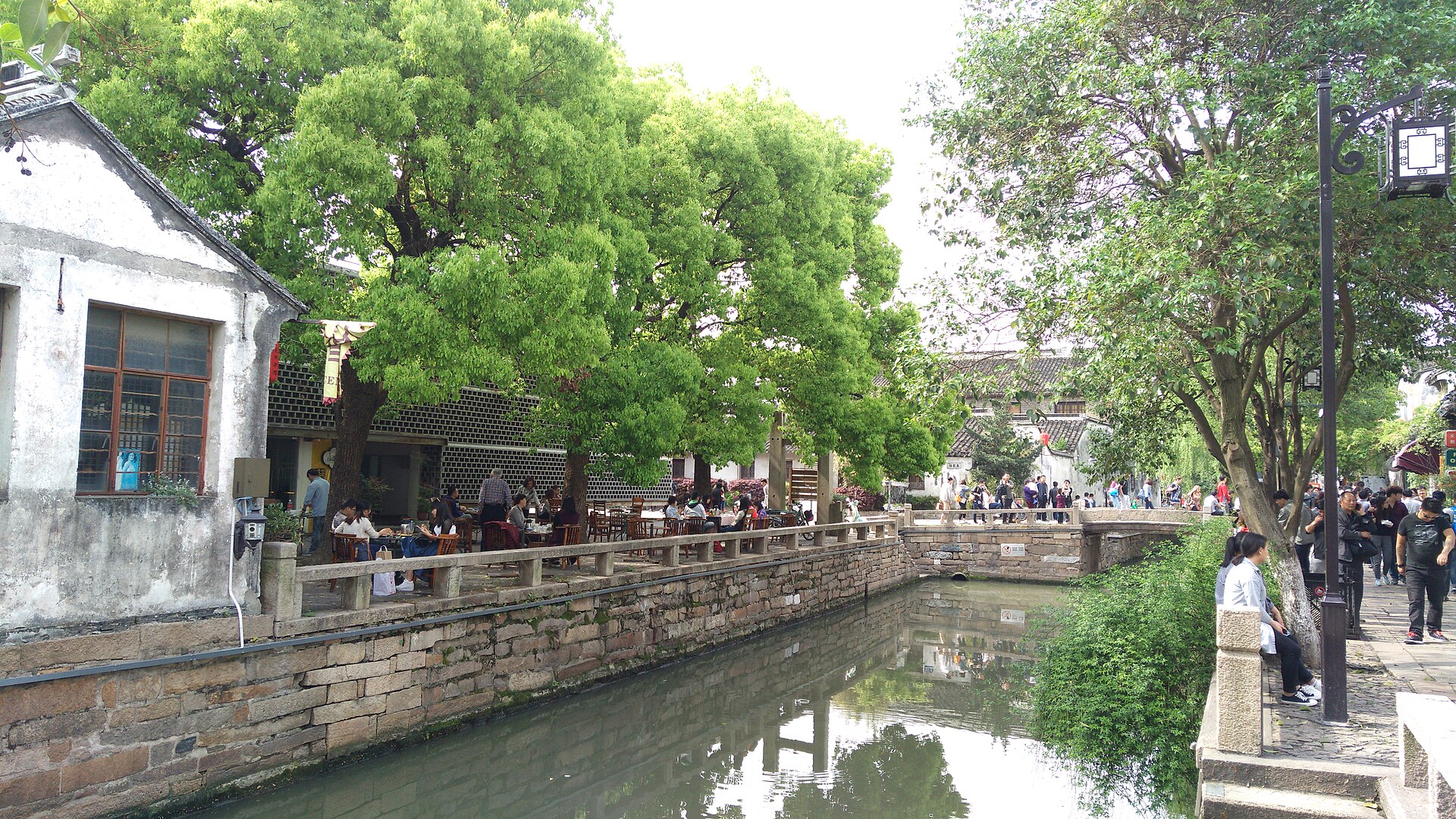
Enter at the bottom of the street and walk north with the canal on your right hand. Pingjiang Road runs about 1.6 kilometres, and its pleasure is cumulative rather than spectacular: flagstones, white walls, tiled roofs, a small bridge every few minutes, and side lanes worth exactly one detour each. Daru Lane and Zhongzhangjia Lane, where the Pingtan museum and old residences hide, are the two that repay a look. Keep two disciplines. Photograph from the broader stretches where the bank widens, not from the crown of every bridge, and remember that the prettiest doorways are somebody's front door — the lane is a neighbourhood that tolerates an audience, not a set built for one. Hand-rowed boats work the canal from piers along the way; they are ticketed on the spot and run on their own schedule, so treat a boat as a bonus that replaces some walking, never as transport the plan depends on.
- One pause, chosen well: tea or Pingtan
Halfway up the lane, spend your one chosen pause. The refined option is Suzhou Pingtan, the city's sung storytelling: two performers, a pipa and a sanxian, a room that smells of tea. It is performed in the local dialect and you will not follow a word of the plot — go anyway for the music, the phrasing and the audience of grandmothers who follow every syllable, or do not go at all; a half-understood performance endured out of duty helps nobody. Performances run at the Pingtan museum on Zhongzhangjia Lane and at teahouses along the street, at set times, for a modest ticket checked at the door. The simpler option is a canal-side teahouse and one pot of Biluochun, watched over the water. Either way, hold the pause to one: the north end of this walk contains two timed bookings, and a lane that eats the afternoon leaves them no room.
- The north-end fork: garden and museum, in the order your bookings dictate
The lane delivers you to Baita East Road and Dongbei Street, where the day's two institutions stand a few minutes apart: the Humble Administrator's Garden behind its entrance on Dongbei Street, Suzhou Museum just west along the same street, and the Lion Grove Garden a short walk south for later. Because all three sit inside one small cluster, the order between museum and garden is decided by crowds and clocks, not distance. Work it this way: if your garden slot is the day's earliest booking, honour it first while the paths are still empty; the museum opens at nine and its own reservation is a timed window rather than a minute, so it absorbs being second. Coming the other way, a nine o'clock museum entry followed by a late-morning garden slot is the classic pairing and the one most visitors should aim for. What you must not do is arrive at either door unbooked and negotiate with the gate: the museum turns away the unreserved, and the garden's slots for the day may simply be gone.
- The garden, walked as it was composed
Enter in your booked slot with the passport used at reservation, and give the garden ninety minutes. It is not one garden but three linked compositions: a former residence in the east, the famous water garden at the centre where pavilions are arranged to be seen across ponds rather than entered, and a quieter western section where the crowds thin out. Walk it as the designer intended a scroll to be read — slowly, in sequence, stopping where a doorway frames a view before stepping through it. The centre fills first and fastest; if your slot is a late one, reverse the instinct to linger there and spend your time in the western third instead. When you come out, the museum is minutes away, and if the garden has used up your standing hours, the museum's courtyards and its Zhongwang Palace halls make a gentler second act than a second garden would.
- The hop west is a decision, not a stroll
Between the garden quarter and Shantang Street there is no honest walking route worth your afternoon: it is three and a half kilometres across the old city, on working streets, and it spends exactly the daylight you want for the evening. Treat the hop as the plan's one deliberate ride. A taxi or ride-hail from Dongbei Street takes about fifteen minutes in decent traffic; the metro version runs from Lindun Road on Line 1 to a Line 2 change and out at Shantangjie, about twenty-five minutes door to door. Time the hop for the end of the afternoon. Shantang before dusk is a pleasant canal street; Shantang as the lights come on is the reason it is on this walk at all. Eat after you arrive — the street and the lanes behind it are built for grazing — rather than filling the gap with a late lunch near the garden.
- Shantang Street at dusk, westbound
Shantang's canal was dug in the year 825 to connect the city with Huqiu, and the street still follows the water west for some three and a half kilometres. You are not walking all of it. The restored eastern stretch, from the metro end toward the first run of bridges, holds the evening: boats loading under lantern light, snack stalls doing their loudest trade, wedding photographers working the bridge arches. Walk west until the crowds thin and the street turns residential, then decide with clear eyes — turn back for Line 2 and home, or commit to one more stretch and a taxi at the end of it. What Shantang gives a walk that Pingjiang cannot is the night version of the same idea: the canal as the city's lit, social front room. Bookend them in one day and the comparison is the souvenir.
What this walk rests on
The Humble Administrator's Garden sells no casual walk-up day out: every visitor books a real-name, timed entry one to seven days in advance through the official garden channels, and enters in the chosen slot with the document used at booking
Checked 31 October 2026Garden admission is priced by season: 80 yuan in the peak months of April, May and July to October, and 70 yuan in January to March, June, November and December
Checked 31 October 2026The garden opens at 7:30 through the year; from March to October the last entry is 17:00 for a 17:30 close, and from November to February the last entry is 16:30 for a 17:00 close — with seasonal adjustments on top, such as the 6:45 early openings that ran from 19 June to 7 October 2026
Checked 31 October 2026The Humble Administrator's Garden is one of the Classical Gardens of Suzhou inscribed on the UNESCO World Heritage List in 1997, with further gardens added in the 2000 extension — the listing covers the garden as a designed landscape, not a collection of old buildings
Checked 31 October 2026Pingjiang Road runs about 1,606 metres from the lane's southern gate to Baita East Road, and its district preserves the old city's double chessboard of street beside waterway — a layout already fixed when the carved Pingjiang city map was cut in 1229
Checked 31 October 2026Shantang's canal was dug in 825, when the poet Bai Juyi governed Suzhou, to link the old city with Huqiu; the street that follows it runs roughly 3.6 kilometres, which is the seven li of the street's old nickname
Checked 31 October 2026Shuangta Market borrows its name from the twin pagodas of Dinghui Temple standing beside it, and the market itself was rebuilt and reopened at the end of 2019 as a working wet market with a cooked-food hall inside — the fresh stalls still trade on a morning rhythm
Checked 31 October 2026Suzhou Museum's main building opened in 2006 to a design by I. M. Pei, who was born in Suzhou; it shares its street wall with the Zhongwang Palace complex, and its white geometry quotes the old city's walls and rooflines rather than copying them
Checked 31 October 2026Three metro stations anchor the route: Xiangmen on Line 1 below the lane's southern end, Lindun Road on Lines 1 and 6 a short walk from the garden quarter, and Shantangjie on Line 2 at the eastern end of Shantang Street
Checked 31 October 2026The garden quarter sits in the old city's northeast and Shantang begins beyond its northwest side, roughly three and a half kilometres apart across the moat-ringed centre — a taxi or ride-hail covers the hop in about fifteen minutes when traffic behaves, and the metro with one change takes about twenty-five
Checked 31 October 2026When this walk breaks — and the questions everyone asks
The museum is closed on Mondays
The museum closes on Mondays, public-holiday Mondays excepted. If your walk lands on a Monday, the museum leg is simply out: give its hours to a slower garden visit and the Lion Grove Garden next door, and do not stand at the door hoping the rule bends.
Garden slots go first at peak times
On spring and autumn weekends, and through holiday weeks, the garden's comfortable morning slots can be taken days ahead. Book the earliest slot you can honestly keep the moment your date is fixed; if the garden is full, the Lion Grove Garden five minutes south and the Master of the Nets Garden across the old city are real alternatives, not consolations — and no ticket offered by a tout at the gate is worth its risk.
Shantang is not a walk-on ending
Nothing about Shantang adjoins the garden quarter. Visitors who try to stroll between them spend the best light of the day on ordinary streets and arrive at both places slightly cheated. The ride between is part of the design, and skipping it is the one change that quietly breaks the whole route.
Rain turns the lanes to glass
Wet flagstones and bridge steps turn genuinely treacherous, and the canal boats may pause in heavy weather. Rain also flatters Suzhou — gardens drip beautifully and crowds vanish — so the wet version of this walk is worth doing, at half speed, in shoes with grip.
Pingtan is performed in the local dialect
The singing is in the Suzhou dialect, the stories are local, and no translation is coming to rescue the plot. Enjoyed as music and atmosphere, a performance is a highlight; attended as theatre you expect to follow, it will feel like a locked room. Choose with that knowledge.
The market keeps morning hours
The cooked-food counters trade all day, but the fresh market that gives Shuangta its character winds down by late morning. Arrive after ten and you are visiting a food hall; arrive at eight and you are inside the city's kitchen. Set the alarm accordingly.
Crowds crest from late morning
Between ten and three on weekends the lane's middle section moves at shuffle pace and every bridge becomes a photo queue. The walk's own defences are its ends: start before nine, or accept the crowd as part of the spectacle and save your lingering for the northern third, which stays calmer.
How far is the whole walk?
About five kilometres of actual walking: the market approach, the full 1.6 kilometres of Pingjiang Road, the short links around Dongbei Street, and whatever stretch of Shantang you choose — plus one ride of about fifteen minutes between the garden quarter and Shantang. Spread across a day with two seated bookings inside it, the load is moderate; compressed into an afternoon, it is a forced march.
Can I run it in reverse, Shantang first?
You can, and the street reads fine northbound in either direction — but the day argues against it. The garden and museum bookings anchor the middle hours, the market only performs in the morning, and Shantang's entire payoff is dusk. Running it backwards means doing the night street in daylight and the market after it has packed up: same streets, worse order.
Can the walk be shortened?
Start earlier at the market, take the formal pause out, and hold the garden to an efficient hour — but protect the two bookings and the dusk arrival at Shantang, because those are the walk. What goes is browsing: the side lanes, the second teahouse, the souvenir drift. Compressed honestly, the route fits a long half day; compressed carelessly, it becomes four queues and a taxi.
Is the lane step-free?
Mostly. The lane itself is level stone, but its little bridges arch with steps and not every crossing offers a ramp, so the route cannot be certified step-free; the museum and the garden maintain step-free access arrangements of their own. Anyone for whom steps are a hard limit should take the lane in sections from the road crossings and lean on the museum and garden as the day's core.
Do I need cash anywhere on this route?
Mobile payment covers the market stalls, the boats, the teahouses and both bookings. Carry a small amount of cash anyway: the oldest market stalls are exactly where a dead phone battery or a failed scan turns into an awkward minute, and the market is the wrong place to discover it.
Keep the trip moving
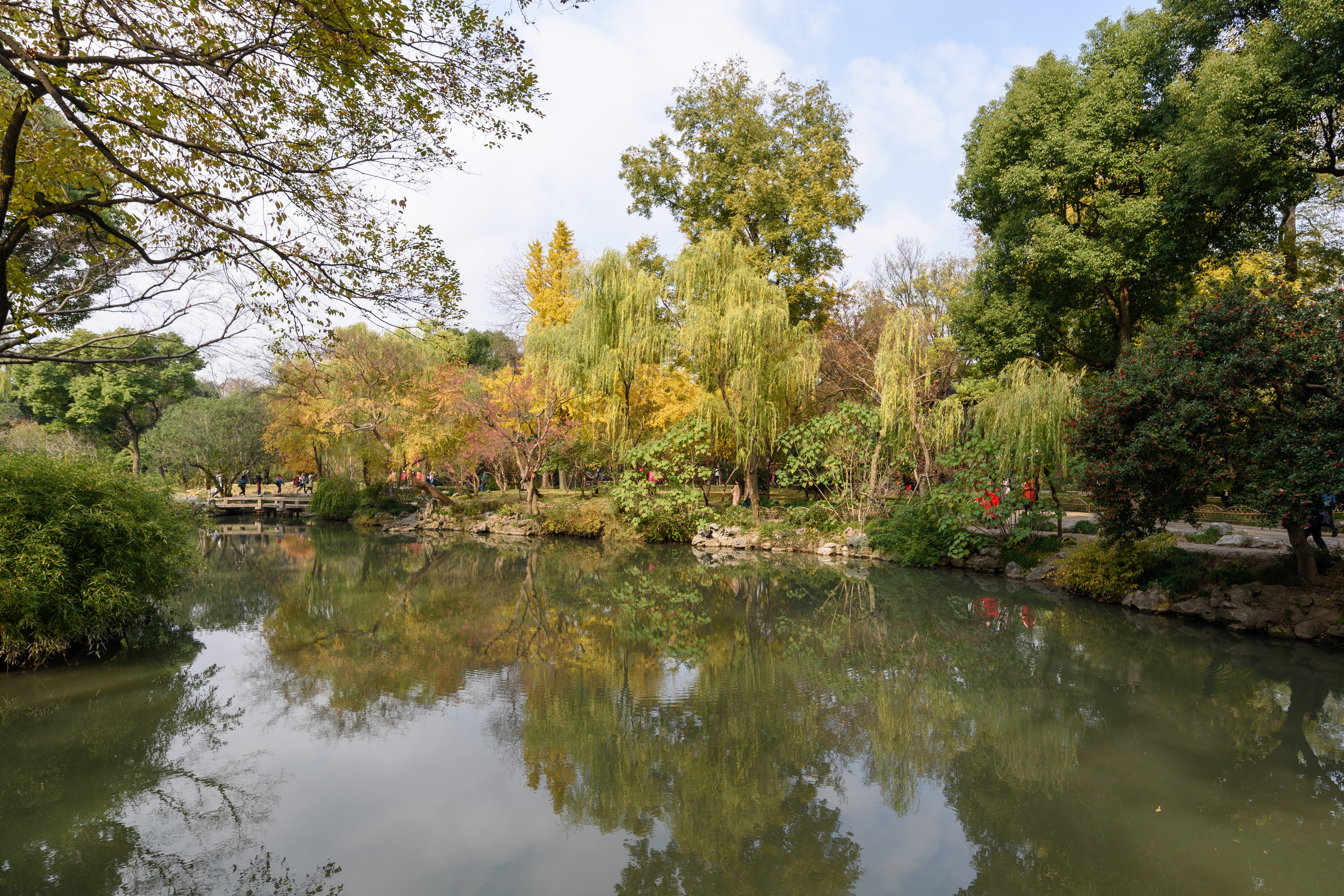 Suzhou · DoSuzhou as a Day Trip from Shanghai: One Garden, One Canal, Home by DinnerA garden, a canal street and one of China's great museums, twenty-seven minutes from Shanghai — if you book the three things that sell out and catch a specific train home.Reference ~
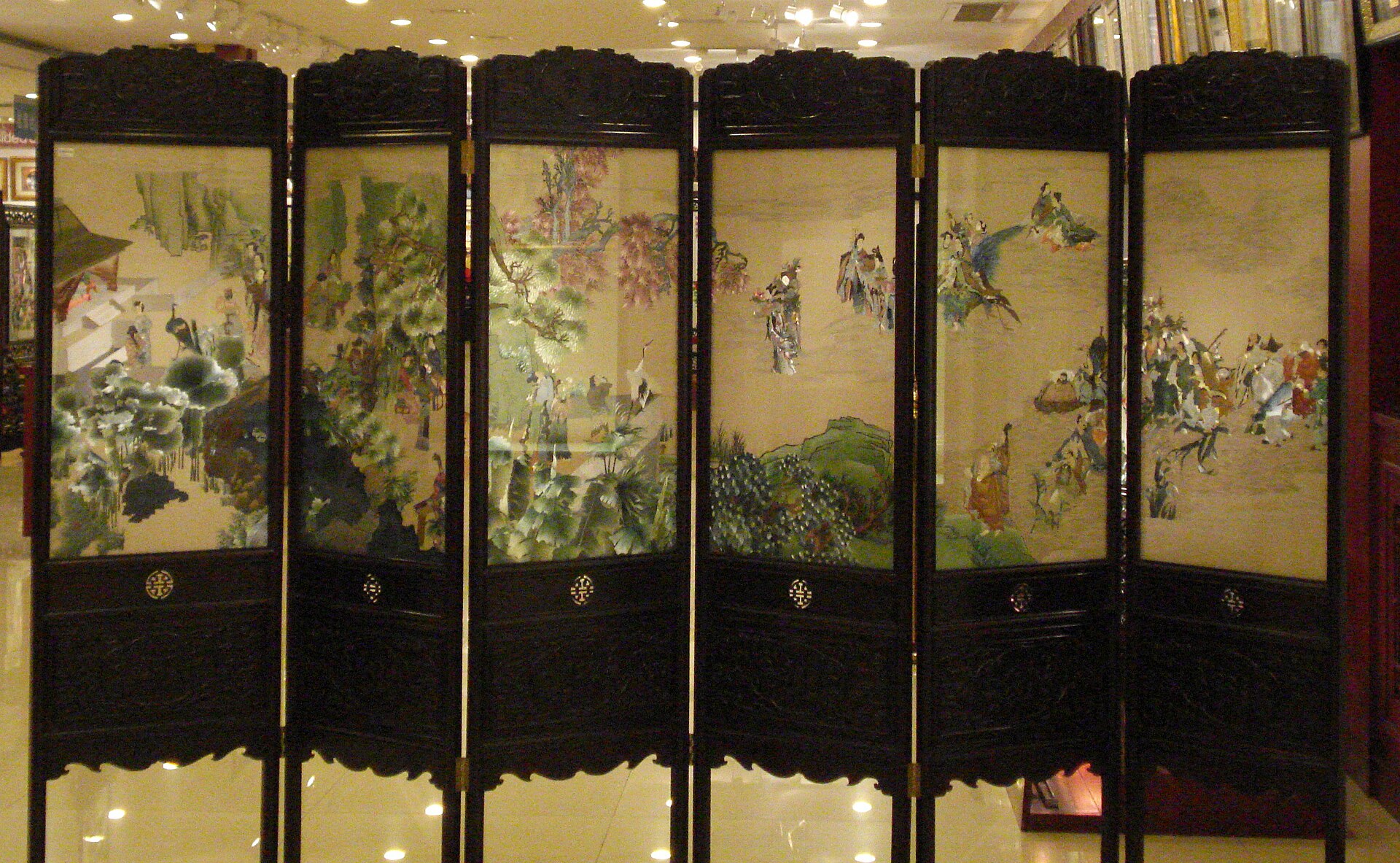 Suzhou · DoSuzhou Souvenirs: Biluochun, Honest Silk and a Fan You Will Actually CarrySuzhou's classics are the easiest in China to fake and the easiest to buy well: tea with a named hillside, embroidery you inspect from the back, sweets from a counter the city itself uses.Reference ~
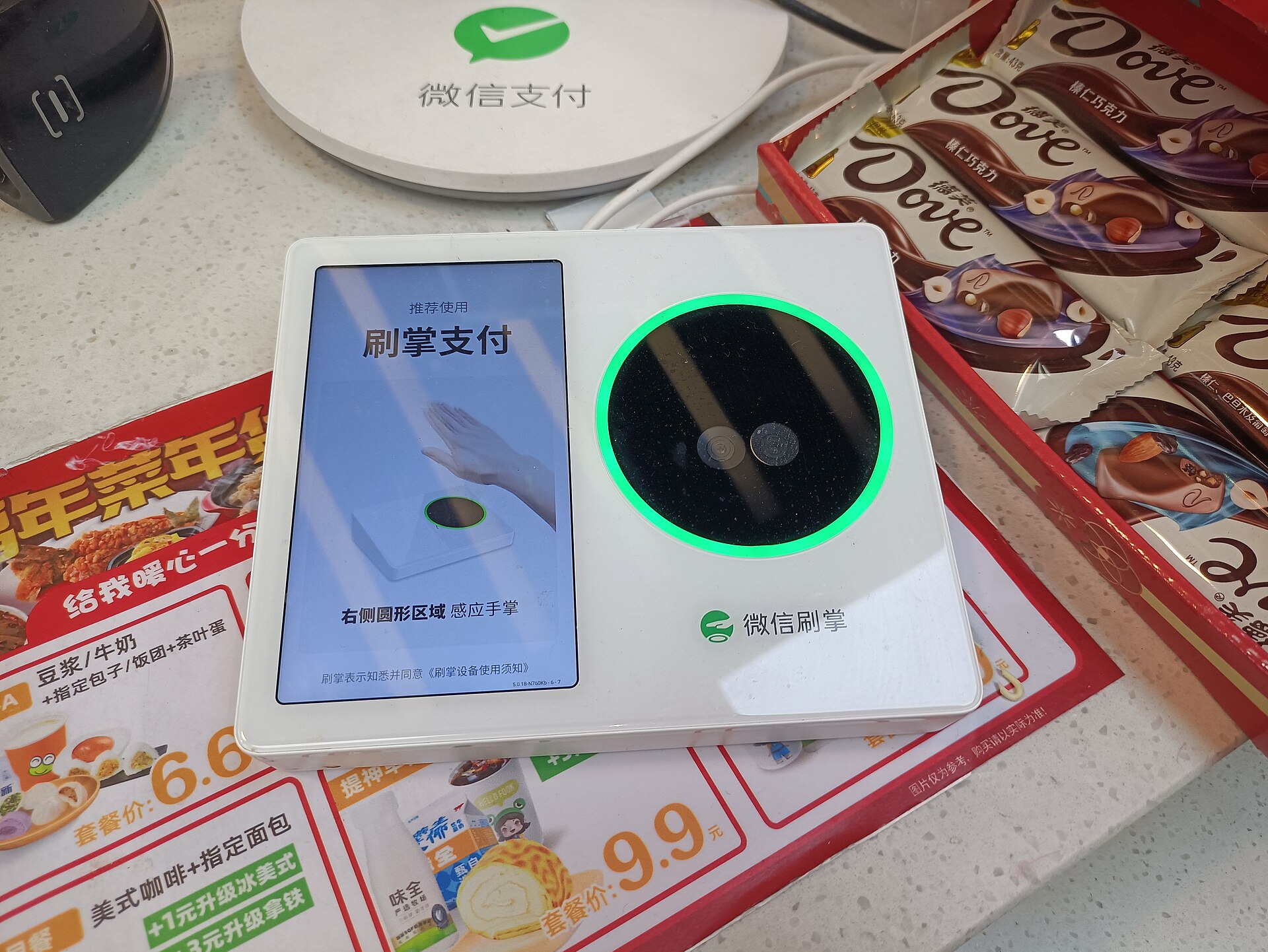 China · PrepareHow to Pay in China (2026): Alipay, WeChat Pay, TenPayGo, Cards and CashSet up one wallet before you fly, add a second as backup, and understand the two numbers that explain most payment confusion.Reference ~
 China · PrepareInternet & eSIM in China (2026): Roaming, Travel eSIM, Local SIM and Wi-Fi ComparedYour phone will work in China. The real question is which internet it connects to — every connectivity choice is a choice between two exits.Reference ~
 China · PrepareChina Trains: Your Passport Is the TicketNo paper, no ticket window — book on 12306, verify your identity once, and board on the document in your pocket. The system is simpler than the stations are big.Verified
 Shanghai · DoShanghai in 3 Days: Icons, Neighbourhoods, and One Day to Go DeepDay one for the postcard, day two for the streets people actually live on, day three for the one thing you care about most — with the bookings and buffers that keep it relaxed.Reference ~
Sources and status
Prices, schedules and booking channels change. Recheck the details that matter before you travel.
- Suzhou Landscaping and Greening Administration Bureau — official siteReference ~Official garden administration for Suzhou: reservation rules, seasonal opening hours and the published admission price schedule for the classical gardens
- Suzhou Municipal People's Government — Humble Administrator's Garden opening notice, June 2026Reference ~Municipal government release confirming the garden's real-name timed reservation system and the June to October 2026 early-opening arrangement
- UNESCO World Heritage Centre — Classical Gardens of SuzhouReference ~World Heritage listing for the Classical Gardens of Suzhou, including the Humble Administrator's Garden (inscribed 1997, extended 2000)
- UNESCO World Heritage Centre — The Grand CanalReference ~World Heritage listing covering the Suzhou sections of the Grand Canal, the water system both canal streets belong to
- Suzhou Museum — official siteVerifiedOfficial museum site: real-name registration, reservation entry, opening days and visitor rules for the main branch and West Branch