
High-speed and fast trains between Nanjing and Yangzhou run to roughly fifty services a day, with journey times from about 48 minutes to just over an hour depending on the service and the stations used
Checked 31 October 2026GUIDES / DAY TRIPS
Day Trips from Nanjing: Yangzhou and the Slender West Lake
Fifty minutes by train buys you a different Jiangnan: Yangzhou, the salt merchants' city, where the lake is slender, the gardens are private, the morning starts with tea and dumplings, and the whole day still lands you back in Nanjing for dinner.
City Nanjing15 min read10 facts labeledChecked 2026-10-31
The city that had breakfast perfected before Nanjing woke
The Yangzhou day starts at a teahouse table at seven in the morning, and it starts correctly: a pot of green tea poured without hurry, a basket of soup dumplings that demand technique, dried tofu cut into threads and dressed with ginger and sesame oil, and a roomful of locals who have clearly been performing this ritual since before your train left Nanjing. Yangzhou has a saying about its mornings — the city takes its morning tea the way other cities take their evening drinks. Travellers who arrive at ten have already missed the first act of the place they came to see.
That is the argument for this day trip, and it is stronger than the sights list. Nanjing and Yangzhou are two answers to the same Jiangnan question: Nanjing built empires, Yangzhou spent the money. The salt merchants who grew rich on the Grand Canal poured their fortunes into a slender ornamental lake, private gardens of stacked rock and bamboo, and a food culture so refined it became one of China's great cuisines. The train takes about fifty minutes. The change of register is total — and because the last trains run back into the evening, the whole experience fits inside a single day, provided you start it the Yangzhou way: early.
The day trips at a glance
| First choice | Yangzhou: trains from Nanjing or Nanjing South to Yangzhou or Yangzhou East in roughly 48 minutes to just over an hour, with dozens of services a day |
|---|---|
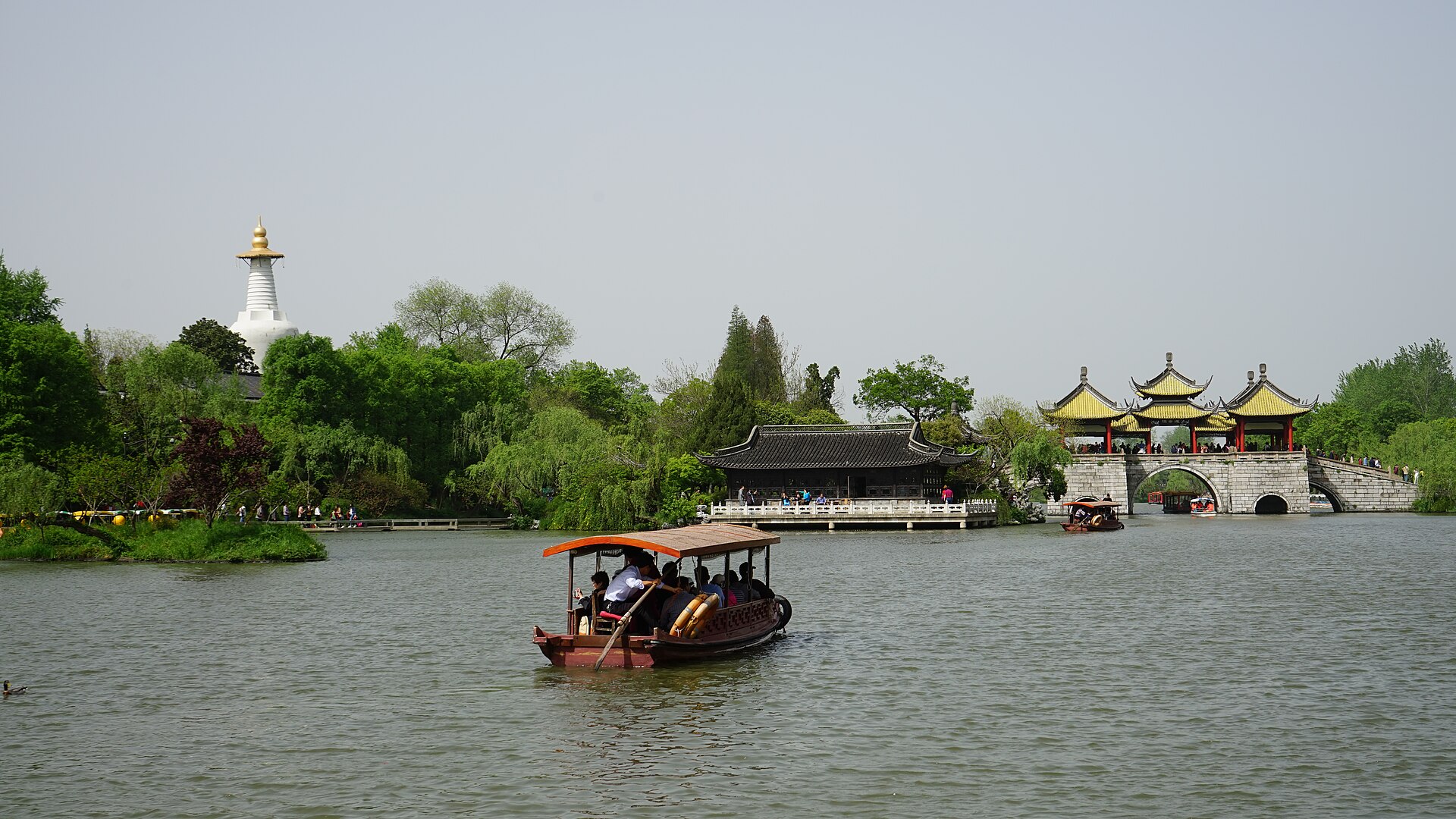
| Yangzhou anchor | Slender West Lake, a long ornamental water garden: enter at the south gate, walk north past the Five Pavilion Bridge and the White Pagoda towards Daming Temple |
| Lake ticket | Daytime admission is published around ¥100 in the main season and ¥60 in the off-season; the night session is a separate ticket, published around ¥120 |
| Yangzhou second act | The private gardens: Ge Garden for bamboo and rockeries, He Garden for its late-Qing mansion and garden-theatre, either one in an hour |
| Yangzhou ritual | Morning tea is the city's institution: dumplings, shredded tofu and tea taken slowly in an old teahouse before the sights open up |
| Yangzhou evening | Dongguan Street, the old commercial lane east of the centre, for snacks, crafts and the walk back towards the station side of town |
| Second choice | Zhenjiang: under half an hour by fast train, for Jinshan Temple above the Yangtze and the old treaty-port streets of Xijindu |
| Half-day option | Qixia Mountain stays inside Nanjing's own edge: a temple hill that turns red in late November, and a morning rather than a day |
| Booking that gates the day | The outbound train: buy the early departure the night before on 12306, because the day trip is won or lost at breakfast |
| Return discipline | Fix your return train before you enter the lake; Yangzhou rewards lingering and punishes timetable optimism |
| Best months | March to May, when Yangzhou's old boast about its spring is simply accurate; late October to November for the lake in autumn colour |
| Best for | Travellers with a third Nanjing day who want contrast, not more of the same: a merchant city against a capital city |
| What Yangzhou is not | It is not a smaller Suzhou: its gardens are merchants' private worlds rather than scholar-officials' retreats, and its pace is set by teahouses, not tour groups |
| The overnight temptation | One night in Yangzhou converts the trip's weakest point, the early start, into its greatest pleasure: waking inside the ritual instead of commuting to it |
Set up before you arrive
Your ticks stay on this page only. No account or personal data is sent.
The Yangzhou day, hour by hour
- First decision: Yangzhou, Zhenjiang, or the hill at home
Three different days hide inside this guide. Yangzhou is the full expedition — gardens, lake, teahouses, a real second city — and it is the default answer for a first day trip. Zhenjiang, barely twenty minutes further down the line in the other direction, is the lighter day: a famous temple hill above the Yangtze and a preserved old street, done by mid-afternoon. Qixia Mountain requires no train decision at all, being inside Nanjing's own north-east, and exists in this guide as the honest half-day for travellers whose Nanjing time ran short. Choose by appetite the night before, and book the train for the choice you made — not for the choice you might make at the station.
- The train out: fifty minutes, two station traps
Fast trains run from Nanjing to Yangzhou throughout the day, taking from about 48 minutes to a little over an hour depending on service and stations. The traps are in the names. Departures leave from both Nanjing station, by Xuanwu Lake, and Nanjing South, the big southern hub — different metro rides, different mornings. Arrivals split between Yangzhou station, closer to the old town, and Yangzhou East, the newer hub outside the centre, which adds a bus or taxi leg of twenty minutes or so. Read both ends of the ticket before you celebrate the fare. An early departure from the right station is the entire foundation of the day.
- Morning tea: the ritual that justifies the alarm
Go from the station to a teahouse before any sight. Yangzhou's morning tea is a cuisine in miniature: steamed dumplings with soup inside them, crab-roe buns in season, dried tofu shredded into threads and dressed hot, delicate pastries, and tea poured as if time were the local currency — which, in the salt centuries, it was. The famous old houses fill with locals from seven; travellers who join the ritual early get the room as it is meant to be, not the lunchtime performance of it. Eat more than seems wise. The lake walk that follows is long, and lunch, by Yangzhou logic, is hours away and entirely separate.
- Slender West Lake: walk it one way, south to north
The lake is not a lake in the West Lake sense — no great round water to circle — but a slender designed watercourse, a garden unrolled along a canal's line, built up by salt wealth into a sequence of staged views. Enter at the south gate and walk north: the little Golden Hill, the fishing terrace, the White Pagoda rising over the trees, and the Five Pavilion Bridge — five roofed pavilions on one bridge, the city's emblem — before the shore runs on towards Daming Temple at the park's northern end. Boats cover pieces of the route for separate fares, but the garden was composed for walkers. Give it three to four hours, and let the pavilions arrive in their intended order.
- Daming Temple and the gardens: choose like a local
At the lake's northern end, Daming Temple climbs its hill — an old foundation, rebuilt across centuries, with a pagoda to climb and the memory of the monk Jianzhen, who sailed from Yangzhou's world to Japan. It pairs naturally with the lake's north exit. Then make the garden choice. Ge Garden builds its art from bamboo and fantastical rockeries, one rock pile for each season. He Garden is a late-Qing merchant's mansion where the garden and the house interpenetrate — covered walks, a theatre, rooms that frame the bamboo like scrolls. One garden, done slowly, beats both done at a trot; the gardens are small, dense and easily overcooked.
- The Huaiyang table: lunch as a destination
Yangzhou is one of the homes of Huaiyang cuisine, the refined cooking of the lower Yangtze — knife work as a spectator sport, broths clear as water and deep as stockpots get. The canonical orders: Wensi tofu, shredded into hair-fine strands and served in broth; lion's head, the great braised pork meatball; Yangzhou fried rice, which in its home city is a composed dish and not a side; and in season, the river fish the delta is famous for. This is the meal to spend on, in a proper dining room, at midday. The train home will not mind. Your Nanjing dinner plans should quietly be cancelled.
- Evening: Dongguan Street, then the discipline of the return
End the Yangzhou day on Dongguan Street, the old commercial artery running east from the ancient canal — snack shops, pickle and tofu institutions, craft stores and the ordinary evening crowd, more local in feel than most old streets in the delta. Graze rather than dine; lunch already happened. Then execute the return you booked: station bus or taxi with slack in hand, the train north across the river plain, and Nanjing's lights by evening. The day trip's last discipline is refusing the extra hour in Yangzhou that costs the last comfortable train.
- The Zhenjiang variation, and the Qixia reserve
If Yangzhou felt too complete to leave, Zhenjiang another day offers the counterpoint: Jinshan, the temple hill that rises straight from the Yangtze's bank, wrapped in the legend of the White Snake; Jiaoshan, an island hill in the river reached by a short ferry; and Xijindu, the old ferry street of stone lanes climbing from the water, where the treaty-port centuries left warehouses and consulates. It is a smaller, river-facing day, and the trains are even shorter. And if no day can be spared at all, Qixia Mountain inside Nanjing — temple, pagoda, and in late November a hillside of maples — repays a single free morning, no booking, no station, no excuse needed.
What this plan rests on
Slender West Lake's daytime admission is published around ¥100 in the main season, falling to about ¥60 in the off-season months, with the night session ticketed separately at around ¥120 in its season
Checked 31 October 2026Daming Temple, at the lake's northern end by the park's north gate, carries a seasonal admission published around ¥45 in peak months and ¥30 in the off-season, with its pagoda sometimes ticketed separately
Checked 31 October 2026Yangzhou's prosperity and its garden culture grew from the salt trade on the Grand Canal — and the canal's Yangzhou sections form part of the UNESCO World Heritage listing for the Grand Canal
Checked 31 October 2026Yangzhou's morning tea — an elaborate early meal of tea, dumplings, shredded tofu and pastries in dedicated teahouses — is a documented local institution, and the city's kitchens are one of the founding schools of Huaiyang cuisine
Checked 31 October 2026Fast trains between Nanjing and Zhenjiang take under half an hour on the quickest services, making Zhenjiang the shortest full day trip on Nanjing's rail map
Checked 31 October 2026Yangzhou East station stands outside the city centre, while Yangzhou station is closer to the old town — the arrival station materially changes the day's first hour and should be chosen deliberately
Checked 31 October 2026The Five Pavilion Bridge and the White Pagoda are the Slender West Lake's signature structures, set along the park's south-to-north walking axis between the south gate and Daming Temple
Checked 31 October 2026Ge Garden is celebrated for its bamboo and its four rockeries composed as the four seasons, while He Garden is a late-Qing merchant residence whose covered walkways and garden theatre show the house and garden designed as one work
Checked 31 October 2026Jinshan in Zhenjiang rises directly from the Yangtze bank with its temple built into the hill, and the Xijindu old street preserves the ferry-crossing settlement that served the river and canal junction — the substance behind the Zhenjiang variation
Checked 31 October 2026Where this breaks
The day is won at breakfast
Every failure mode of the Yangzhou trip is a late start in disguise: the teahouse ritual gone by ten, the lake entered at its midday crowd, the gardens squeezed, the good return train missed. If the morning collapses, the honest recovery is Zhenjiang or Qixia — both forgive a late start that Yangzhou does not.
Station names will try to trick you
Nanjing has two departure stations and Yangzhou has two arrival stations, and the four combinations describe four different days. Travellers who book by city name alone routinely lose forty minutes at one end or the other. The ticket's station fields are the itinerary; read them before paying, not on the platform.
Lake and garden prices drift
Slender West Lake, Daming Temple and the gardens adjust fares by season and sometimes by festival, and published sources disagree on the season boundaries. The figures here are planning ranges marked reference; the gates' own notices and the official mini-programs are the authority in the week you travel.
Spring weekends are a contact sport
In March and April, Yangzhou's fame peaks exactly when its gardens are smallest: lake paths slow, teahouses queue out the door, and trains sell through. Weekdays transform the same day. If only a spring weekend is available, book every element the moment dates fix and start earlier than feels reasonable.
Do not stack two day trips back to back
Yangzhou and Zhenjiang on consecutive days sounds efficient and feels like commuting: two early alarms, two stations, two returns, and Nanjing's own evenings — the Qinhuai, the wall at dusk — quietly sacrificed. Alternate a day trip with a city day, or choose one and give the other city the overnight it deserves on a future trip.
Qixia's colour is a date, not a season
The maple hillside at Qixia peaks in a narrow late-November to early-December window that shifts by year and weather. A week early it is a pleasant temple hill; a week late it is a pleasant temple hill with memories. Check the current colour reports before demoting Yangzhou for it.
The night session is a different product
Slender West Lake's evening opening, in its season, is a separately ticketed light-and-performance session, not an extension of the daytime visit. Travellers cannot simply stay inside from the afternoon; the park clears and reopens. If the night session is the goal, structure the day backwards from it — gardens and Dongguan Street first, lake after dark.
Keep the trip moving
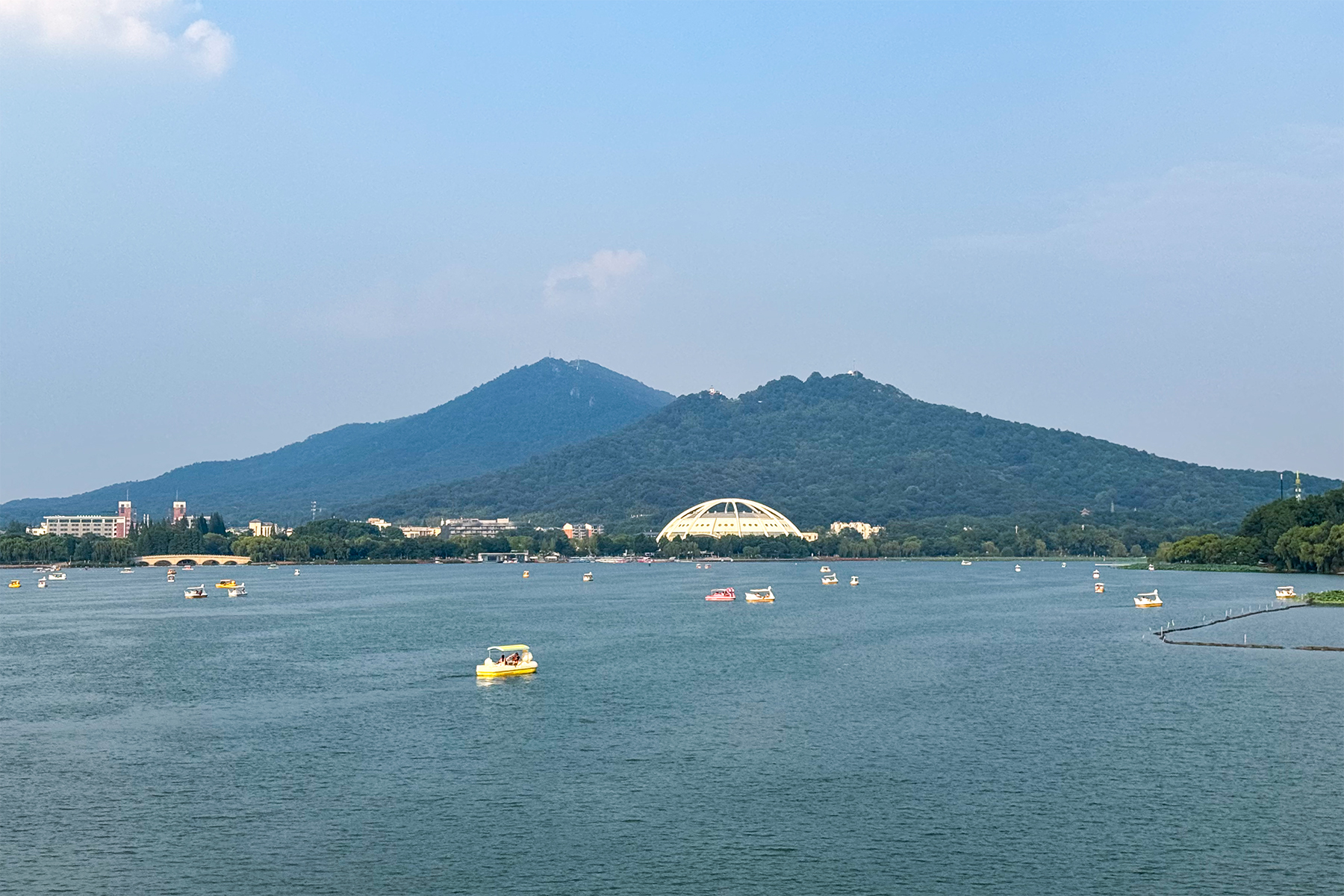 Nanjing · DoNanjing First Time: The Capital That Isn'tNanjing has been a capital often enough that it stopped needing the title. What a first visit actually runs on is simpler: one forested mountain of tombs, one great museum on a timed reservation, a wall you can walk at sunset, and a river quarter that only wakes up after dark.Reference ~
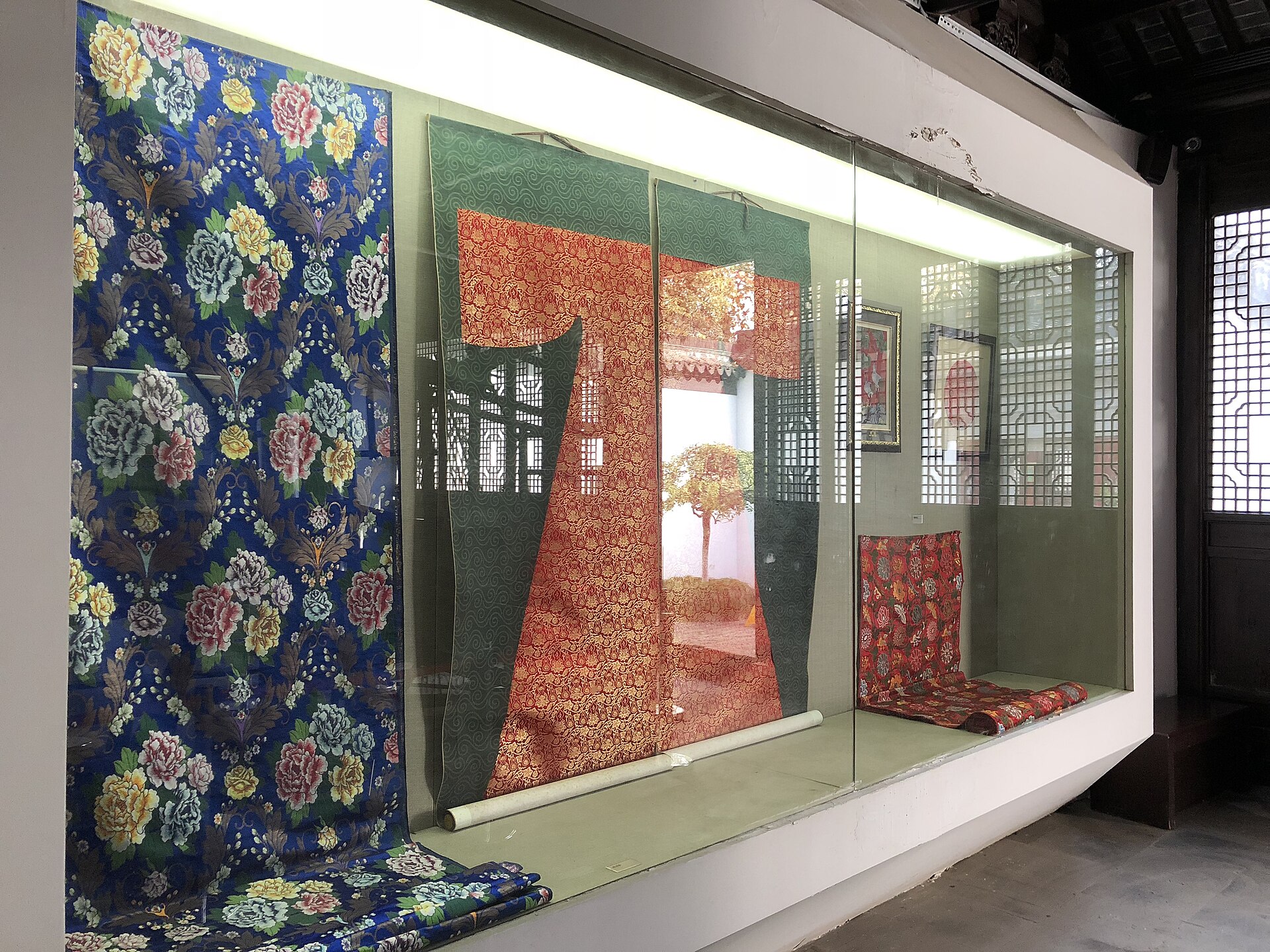 Nanjing · DoNanjing Souvenirs: Brocade and Tea, Not Just DuckA green tea named for polished stones, a brocade your thumb can authenticate, osmanthus sweets timed to departure — and the celebrated duck that should stay a meal.Verified
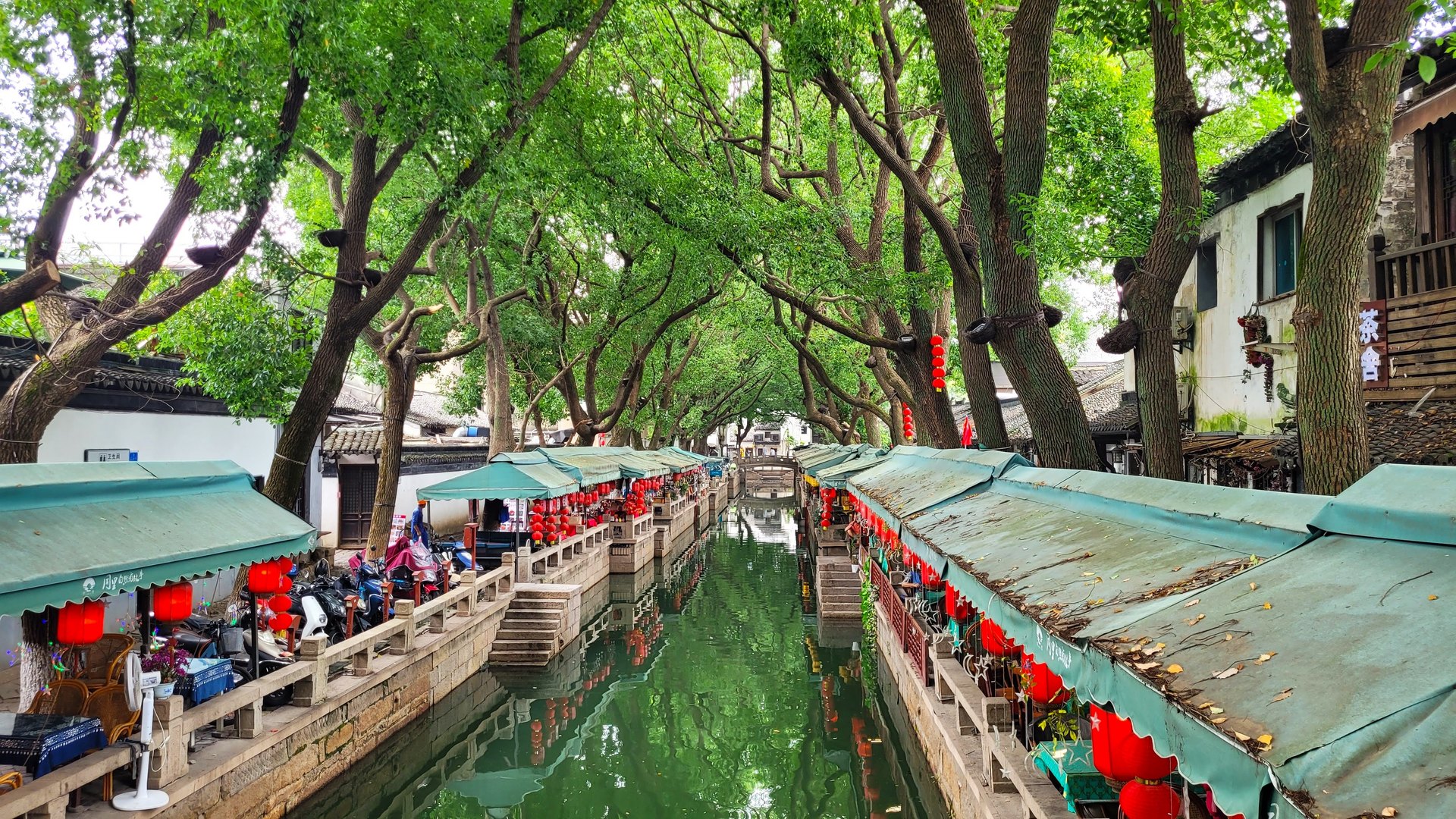 Suzhou · DoDay Trips from Suzhou: Tongli, Zhouzhuang and the Lake Country BetweenTwo famous water towns sit within an hour of Suzhou's old city, and they are not the same day out. How to choose between Tongli and Zhouzhuang, when the lake beats both, and whether to sleep in the town or come home for dinner.Reference ~
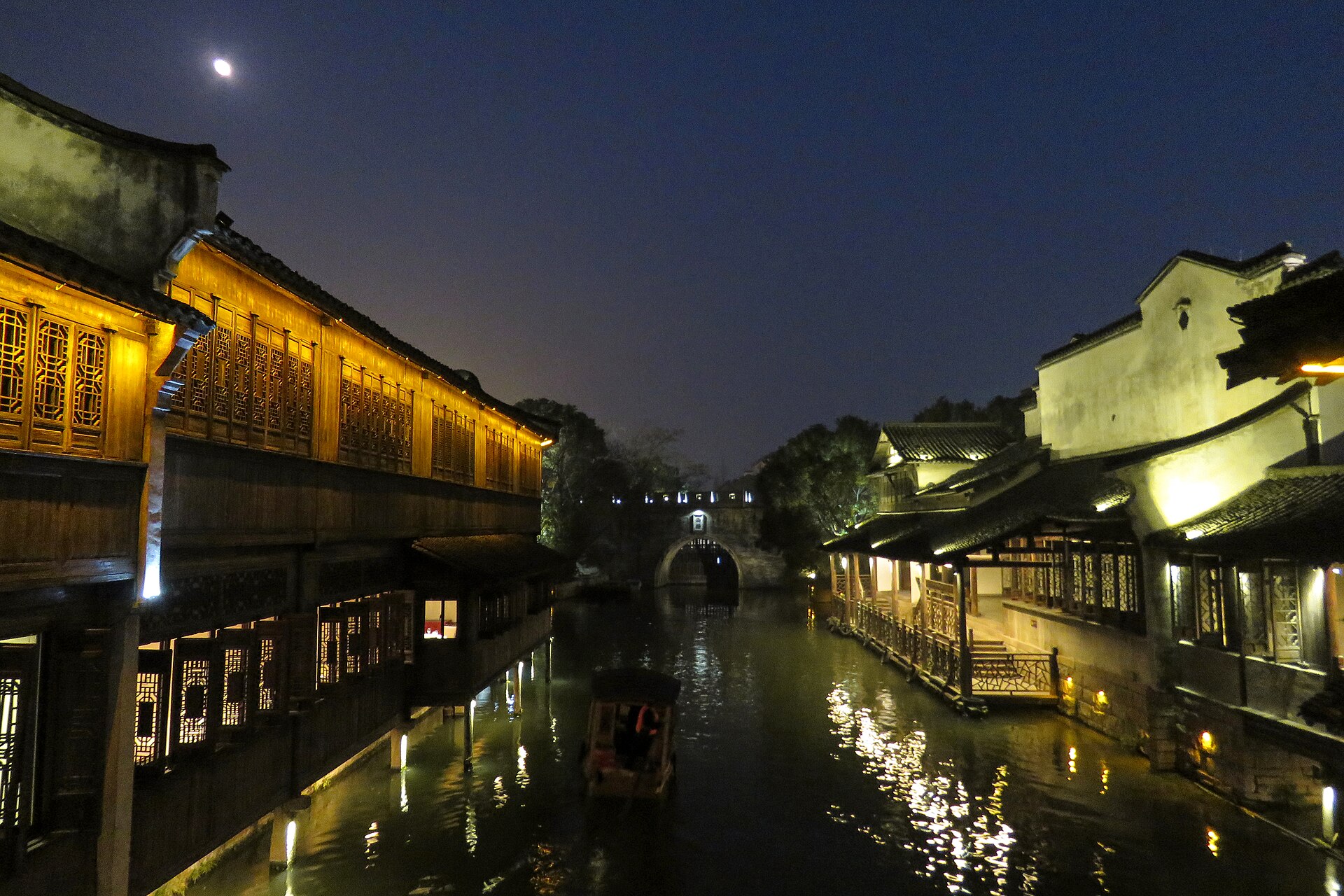 Hangzhou · DoDay Trips from Hangzhou: Shaoxing, Wuzhen and the Tea HillsOne base, three escapes — a writer's canal city by fast train, a water town that runs on tickets and timing, and working tea hills close enough for lunch. How each day actually runs, and how it gets you home the same night.Verified
 China · PrepareChina Trains: Your Passport Is the TicketNo paper, no ticket window — book on 12306, verify your identity once, and board on the document in your pocket. The system is simpler than the stations are big.Verified
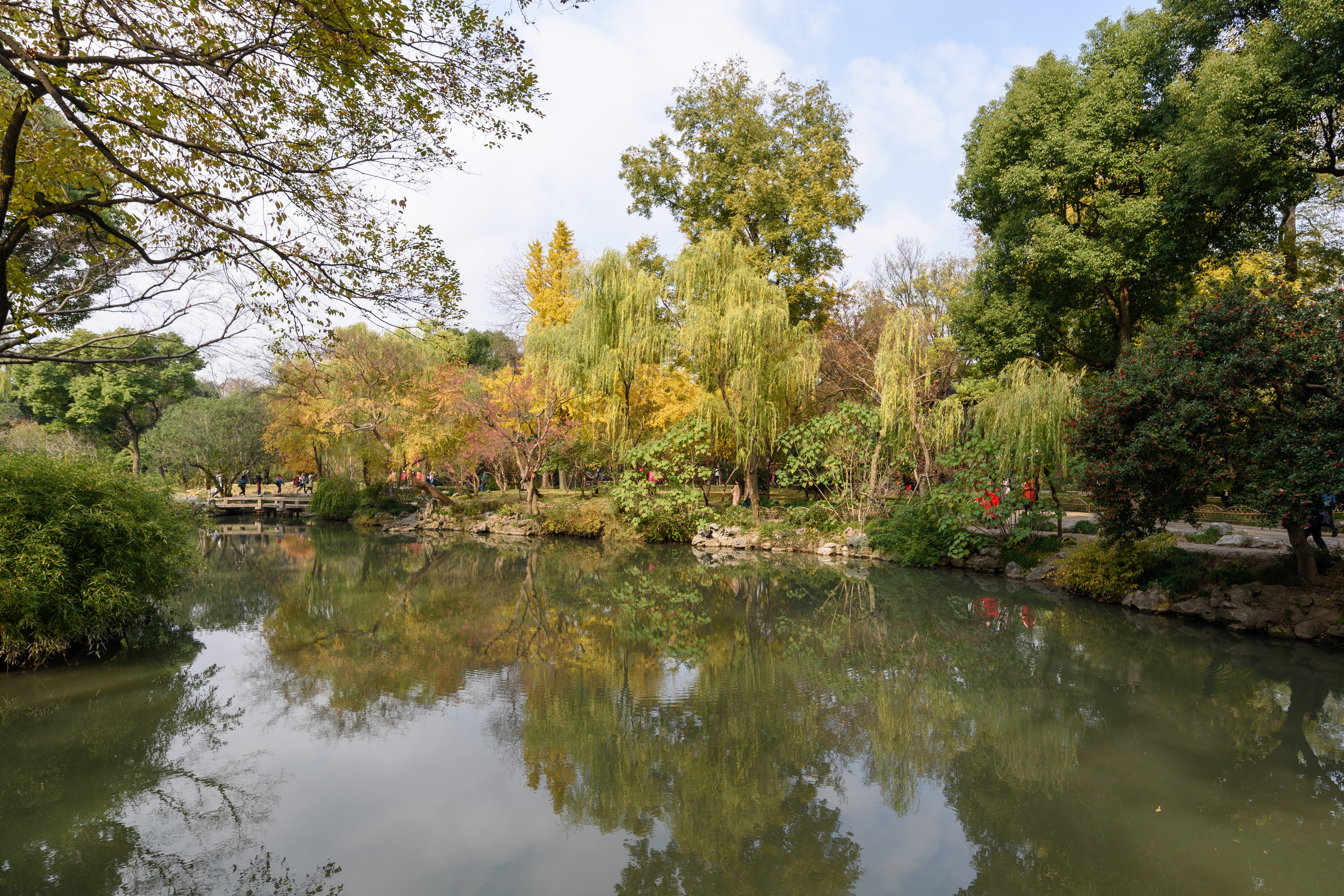 Suzhou · DoSuzhou as a Day Trip from Shanghai: One Garden, One Canal, Home by DinnerA garden, a canal street and one of China's great museums, twenty-seven minutes from Shanghai — if you book the three things that sell out and catch a specific train home.Reference ~
Sources and status
Prices, schedules and booking channels change. Recheck the details that matter before you travel.
- China Railway 12306 — official bookingReference ~Official rail booking and timetables for the Nanjing–Yangzhou and Nanjing–Zhenjiang services (checked 2026-10-31, HTTP 200); exact trains vary by date
- UNESCO World Heritage — The Grand CanalVerifiedListing covering the Grand Canal sections through Yangzhou, the waterway that made the city's salt wealth (checked 2026-10-31, HTTP 200)
- Jiangsu Provincial People's Government portalReference ~Provincial portal carrying Yangzhou and Zhenjiang visitor and heritage references (checked 2026-10-31, HTTP 200)
- Nanjing Municipal People's Government portalReference ~City portal for official Nanjing departure-side references (checked 2026-10-31, HTTP 200)
- Nanjing Metro — official siteReference ~Network information for reaching Nanjing and Nanjing South stations. The site did not respond from the checking sandbox (connection failure on both schemes with a browser user-agent, 2026-10-31); station facts are cross-checked against the city portal and published network maps